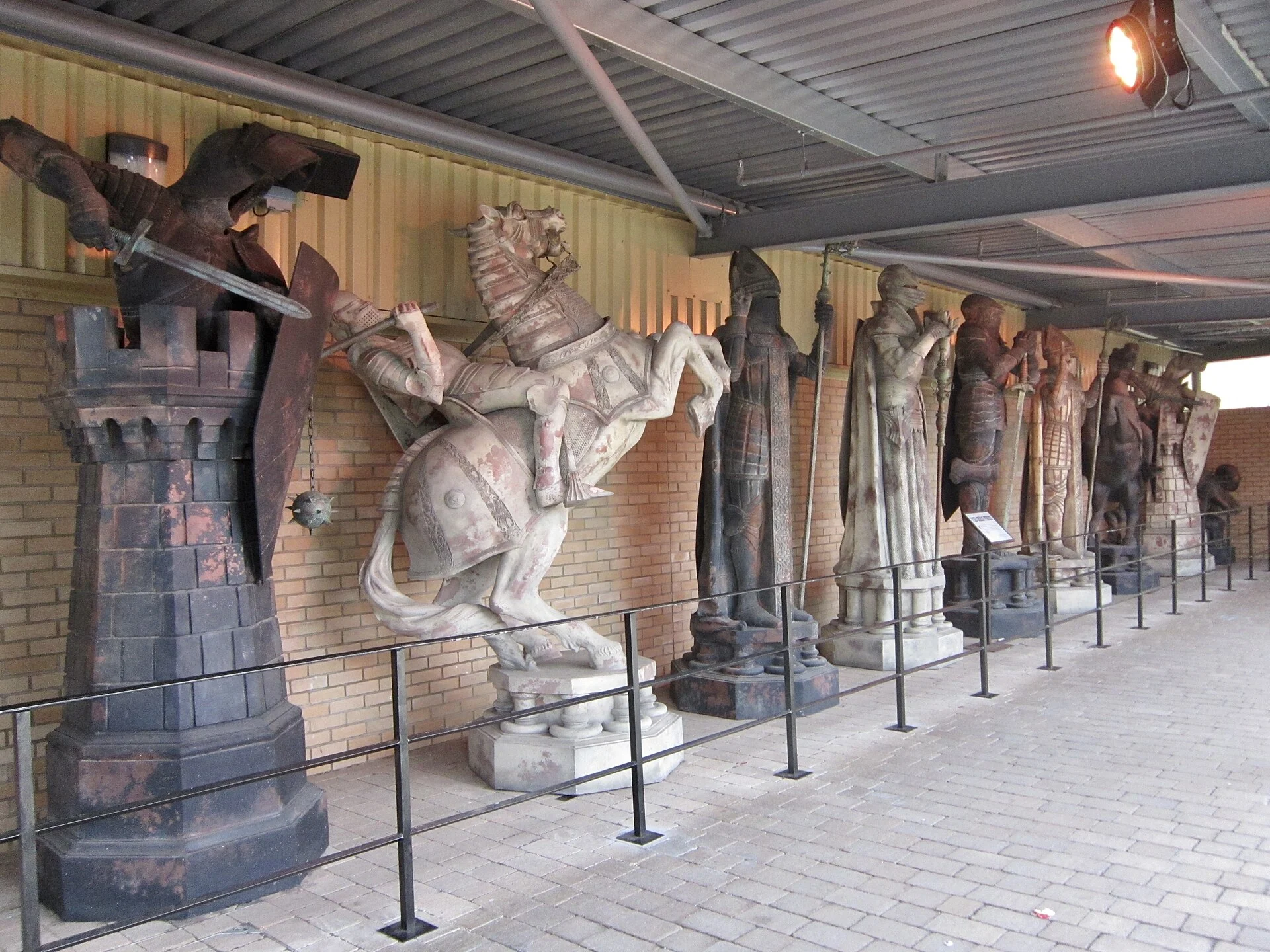
Costumes hung along the wall and standing props in the exhibition corridor, steel frame overhead

Hertfordshire, United Kingdom

Warner Bros. Studio Tour LondonThe sets still stand in the stages

Enter the lobby and a long table runs to the end, something hangs overhead in a row, the light is kept low, and all around are walls that were built up.

Two soundstages were built in the studio complex specially for the exhibition.

PlaceHertfordshire, United Kingdom
TypeFilm-set exhibition
SuitsThose curious how sets and props are built, and who'd rather study objects than take photos

From inside the stages to outside

Hertfordshire, United Kingdom — Film-set exhibition.

Walk in from the far end of the lobby first.

The exhibition roof is a steel frame, lights come down from above, the floor is concrete and footsteps ring clean. Built-up doorframes and wall sections stand on both sides, the seams of the sets visible, the backs of the timber left unplaned. Props are grouped on racks, with barriers set at intervals to mark the walkway; visitors move forward along the channel and rarely double back. Round a corner and the light suddenly warms — a different colour temperature for another scene.

Reach the outdoor group of houses and the roofs lean, the chimneys tilt, several pressed together as if shoved. It repays attention more than the things inside: brick courses, wooden windows and tiles are real materials, only the proportions are slightly off. Walk back and glass cases hold a row of small items — envelopes, books, fabric laid on shredded paper, the writing done by hand. The large pieces you saw in the stages suddenly gain a sense of scale by contrast.
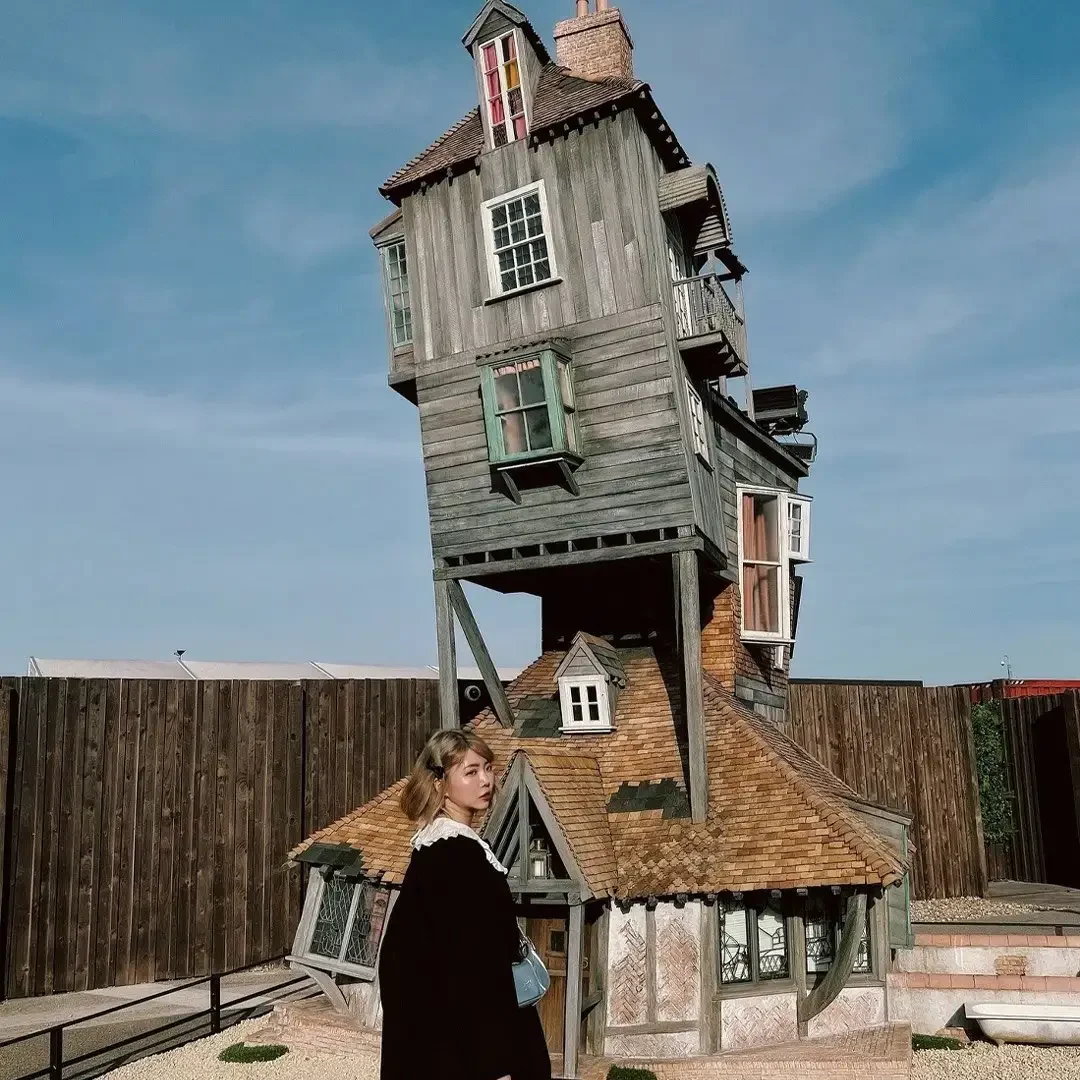
Outdoor leaning wood-and-stone house set with a low-tiled roof
The roof leans to one side
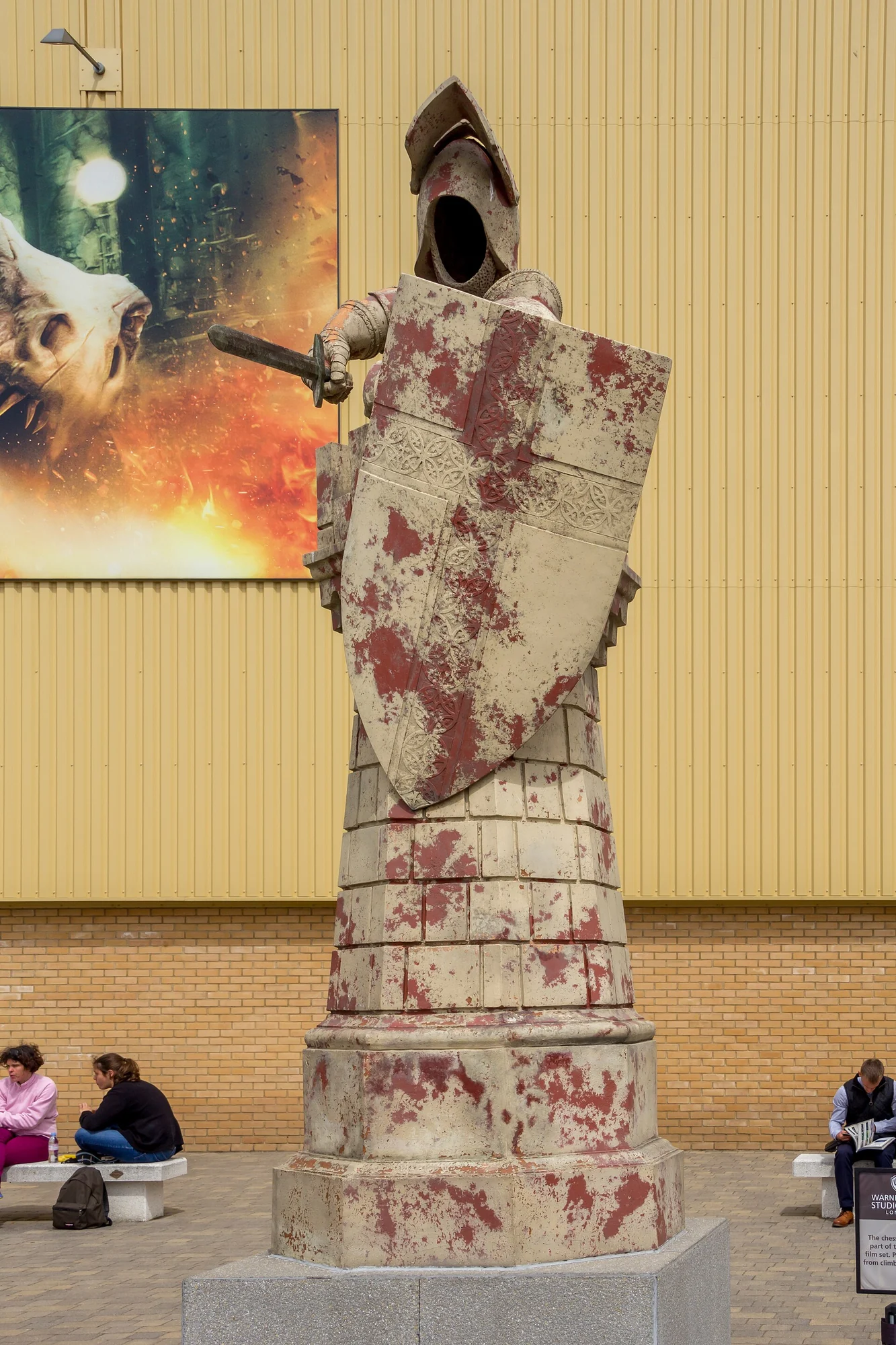
A tall stone-column prop with weathered marks in the hall, a warm scene behind
Stains on the stone column
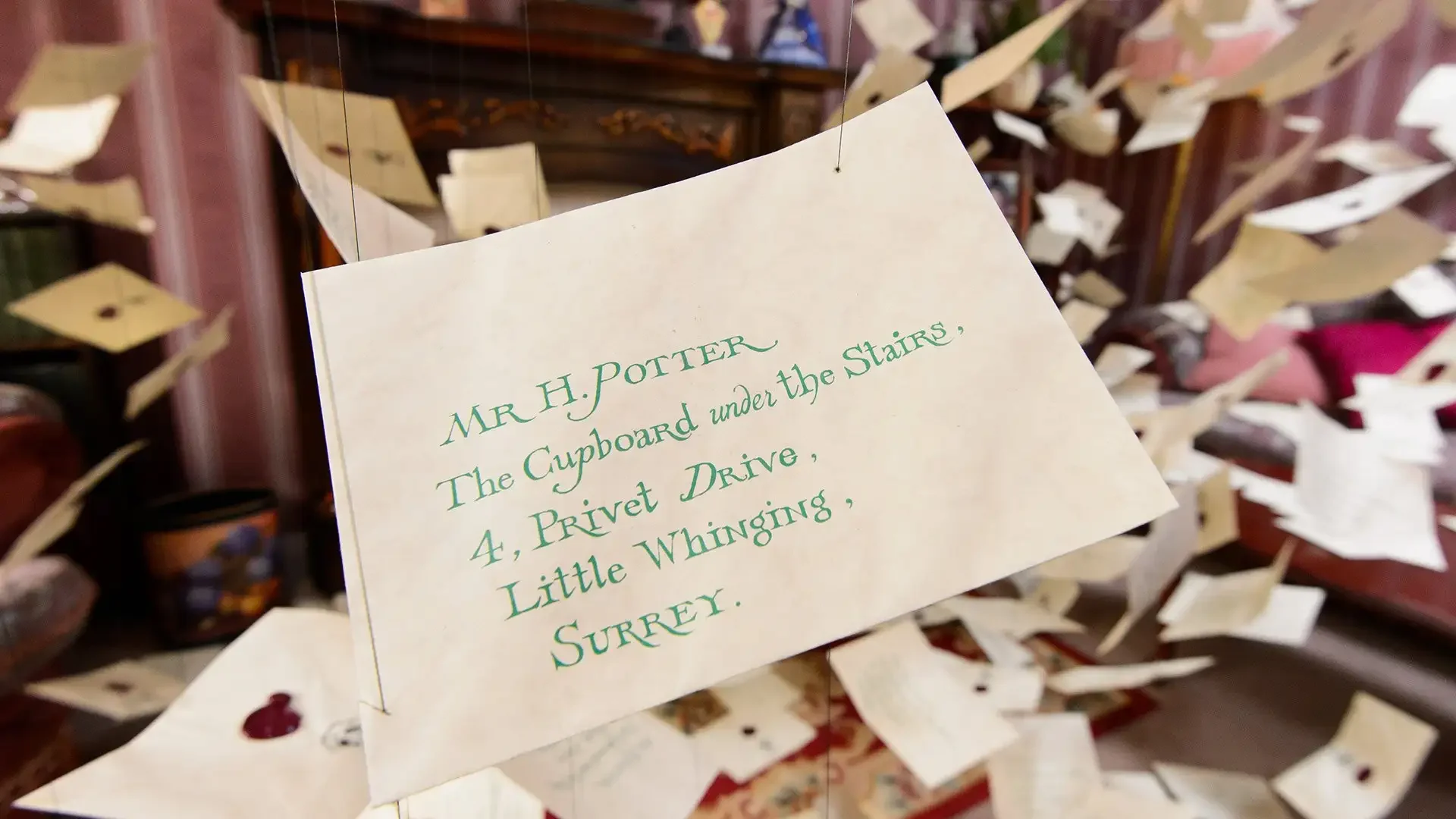
A handwritten envelope prop laid on a pile of shredded paper

A whole row of hanging costumes

A line of robes hangs along the wall, colours graded from dark to light, hems reaching the floor, cuffs worn pale. A thin rod separates each, light thrown from above at an angle so the fabric's folds show in light and shade. Up close you see the seams and the mended places — quite different from the fleeting impression on screen.

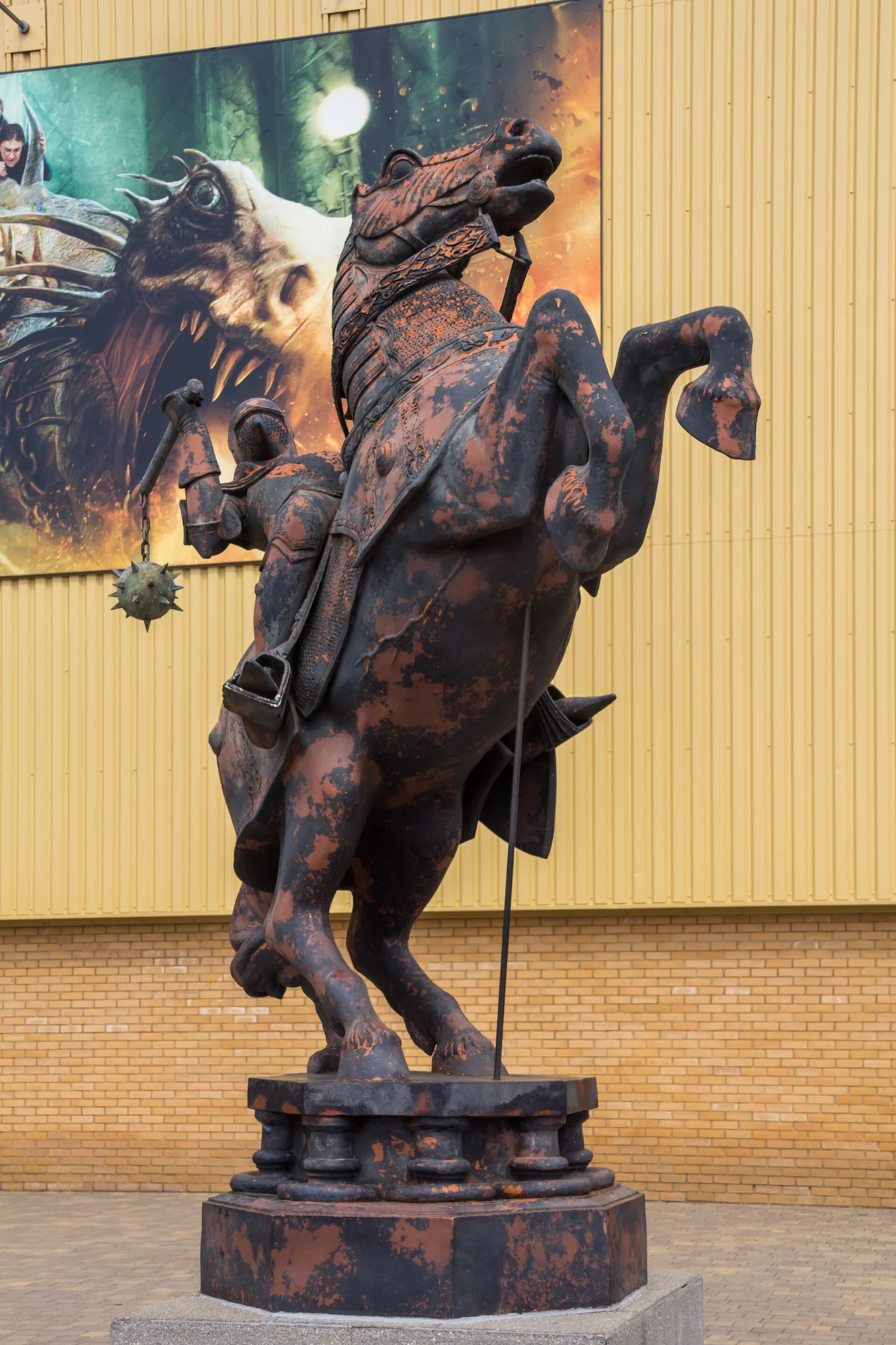
A bronze-coloured horse statue rearing up inside the hall

The house that leans

Among the outdoor sets is a clearly leaning house, its upper storey thrust to one side, the window frames tilted with it. The walls are brick and wood, the tiled roof pressed low. It doesn't ask you to believe anyone lived there; the tilt itself is the point, and standing beneath you instinctively step aside.

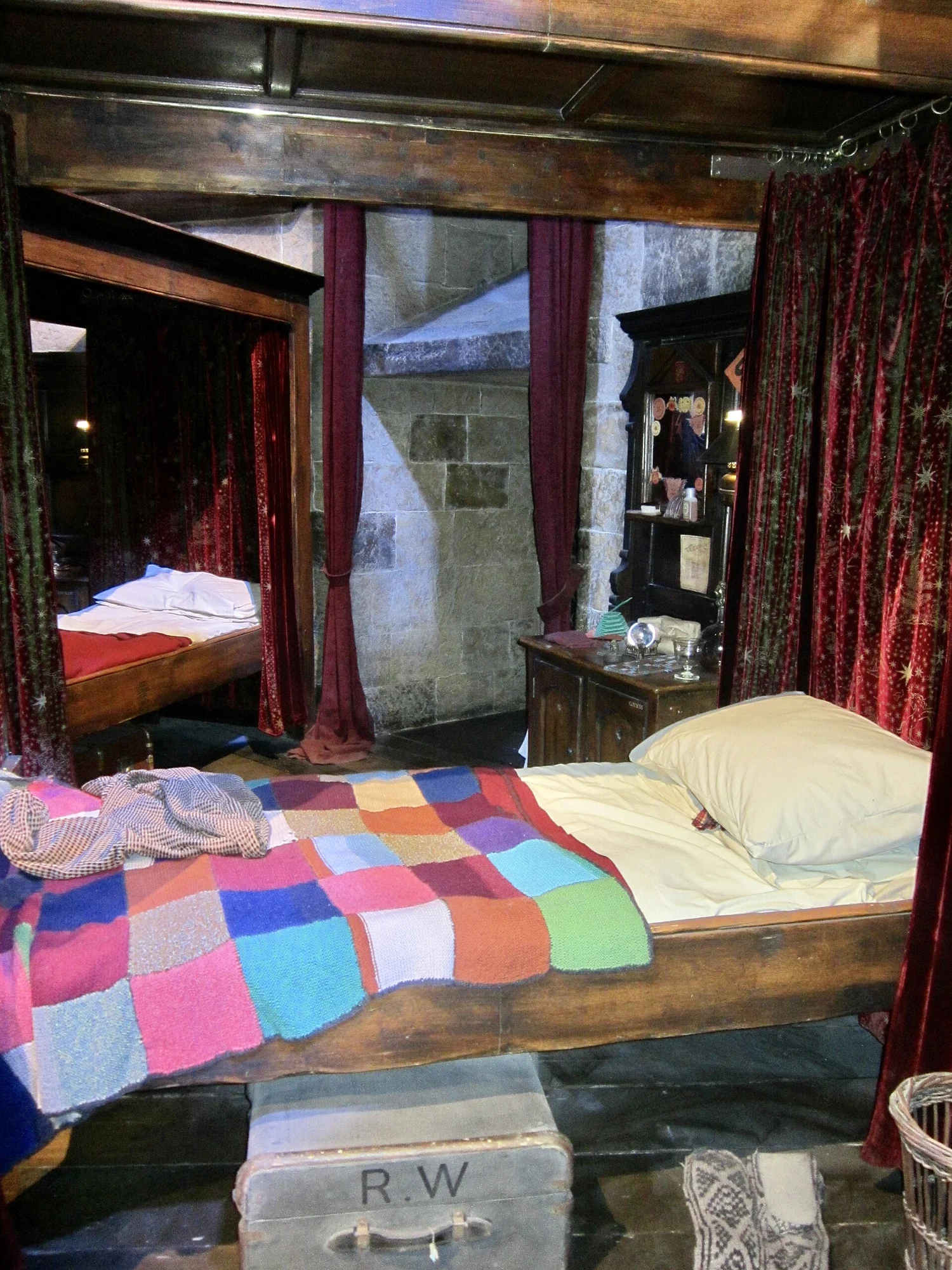
A colourful patchwork quilt and half-drawn curtain in a small-room set

The patchwork quilt by the bed

In a small-room set, the quilt on the bed is pieced from squares, one block cool, the next warm, the corners unaligned. A few odds and ends sit on the bedside cabinet, the curtain half drawn. The whole corner is kept very dark, with only a small patch of light by the pillow, as if someone had just got up and left.

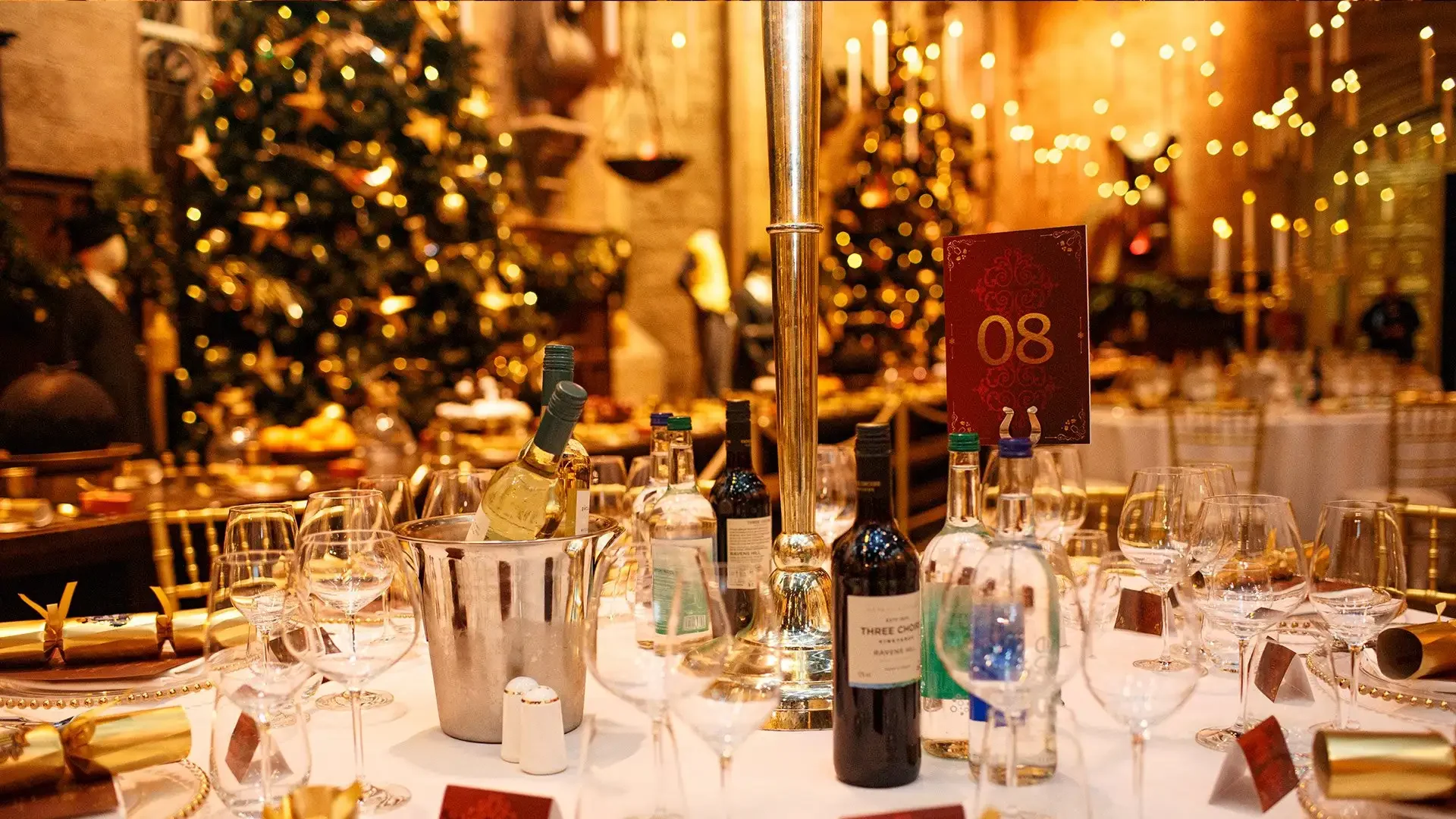
A long table running the length of the lobby, decorations hanging overhead
Route

A day outside London

Don't put it on the day you leave London. Stay in the city a night, give the next day entirely to this, and you'll still have time for dinner on the way back.

An airfield of 1940

This land was not a studio at first. In 1940, the de Havilland Aircraft Company and the Air Ministry built an airfield at the edge of this town; during the war it made aircraft, and by volume its hangars were then the largest single such buildings in the world.

After the war the company bought the whole airfield; over following decades it changed hands several times and finally belonged to Rolls-Royce. In the early 1990s, as British manufacturing contracted, Rolls-Royce sold its stake, and for a time no one took the site on — the hangars simply stood empty.

High, wide and with no columns in the middle: dimensions left for aircraft turned out to be exactly what filmmaking needed most. The land's second use was almost decided by its original measurements.

The film crew arrived in 1994

In 1994, the crew of GoldenEye took the empty hangars, emptied the workshops and divided them into soundstages, workshops and offices. When filming ended the site was renamed and quickly took other work — the first Star Wars prequel and Tim Burton's Sleepy Hollow both built sets here.

In 1999, Heyday Films rented the site for the Harry Potter series, and for the next decade every film in the series was shot here. The studio and the films were bound together longer than many actors' contracts.

As the eighth film neared its end, Warner Bros. announced in 2010 that it had bought the studio as a permanent European base. What it bought was not just a few stages but the sets and props left standing after shooting.

The two stages that opened in 2012

The exhibition sits in two purpose-built soundstages, J and K, separate from the working production facilities. Inside are costumes, props, full sets and the behind-the-scenes of visual effects; it opened to the public in 2012 and in peak season receives more than 7,000 visitors a day.

Turning a working lot into a walk-through exhibition is hard because of sequence. Props are grouped by scene; lighting and wall colour shift the mood between areas, and visitors follow one line without meeting working staff. Those who've seen the films linger at certain small items; those who haven't often look first at how the roof leans.

Exhibition content is added to and sets are rearranged. Don't use photos from years ago to check what's shown today; what you can remember is the method — the nails on the back of the timber, the mended threads on the fabric, and that misaligned patchwork quilt.

A long half-day at the studio

The exhibition is southwest of Watford; the two stages plus the outdoor sets form one line — follow it in the day's open order, without doubling back.

Time needed

A long half-day to cover both stages and the outdoor sets; allow extra time to pause at every prop

Getting around

Mostly on foot, with steps in and out between areas; the passages queue when busy. Check current notes for step-free access

Best light

The outdoor set has no cover; on rainy days the brick and tile darken and the ground reflects — check current conditions for the light you want

What's open

Exhibition additions and special arrangements change; confirm which parts are open in the current period

Talk through my trip idea

If you're planning your London days, tell me whether you mean to spend half a day or a full day, and whether anyone in your group walks slowly.

[email protected]

Read this page in Chinese

Discuss this journey