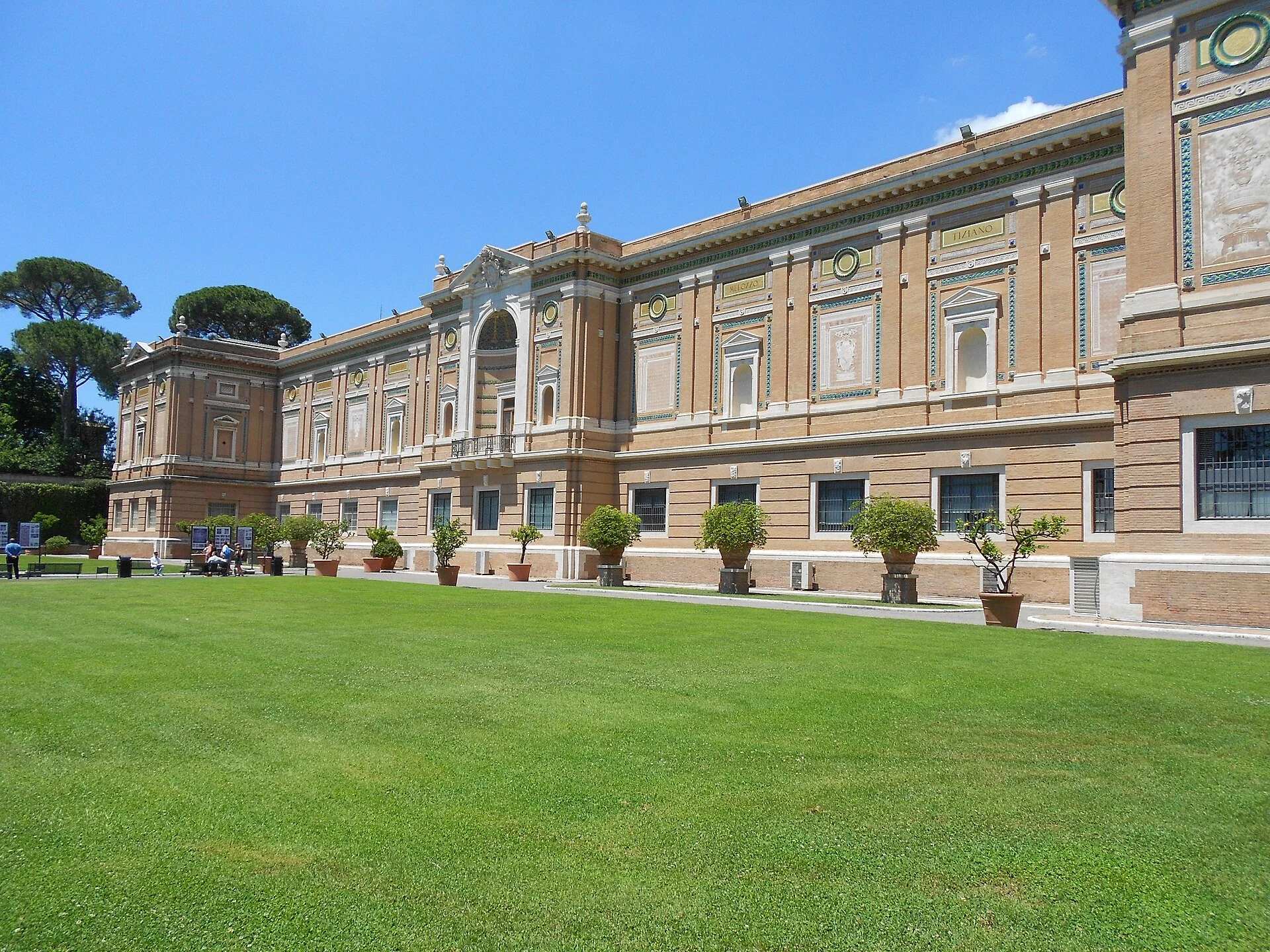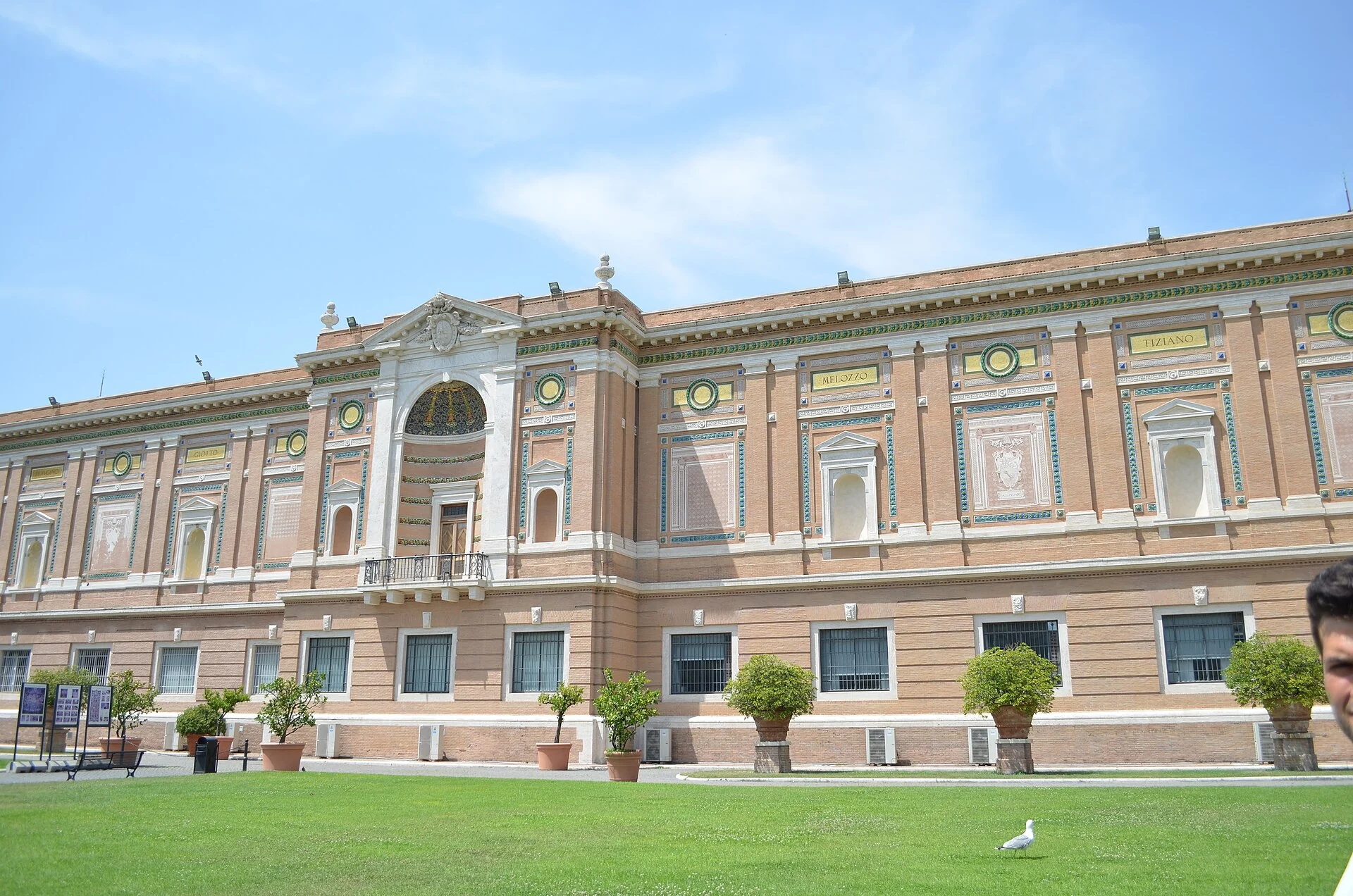
Lawn before the entrance

Vatican City, Rome

Vatican MuseumsThe buildings line up into a route

Inside the walls is not one museum but courtyards and halls added over centuries. Beige fronts, red-brick long walls and pale-white buildings stand together, with lawns and passages between them. The galleries run on down a corridor, and only at the corridor's end do you reach the chapel. The materials of roofs, arched windows and railings keep changing, and so does the order in which you see things.

On a rise in the northwest of Rome, several buildings open around courtyards and gardens.

PlaceVatican City, Rome
TypeArt and antiquities
SuitsRenaissance and classical art
PlanHalf a day or more

Buildings, corridors, and the last room

Vatican City, Rome — Papal art collections.

First, understand that this is not a single museum building but a spread of houses joined by successive owners over the centuries.

Courtyards, gardens and covered passages carry you through in sections; the architecture itself is the visiting route.

The Gallery of Maps, several rooms by Raphael, and the double-helix staircase belong to different eras.
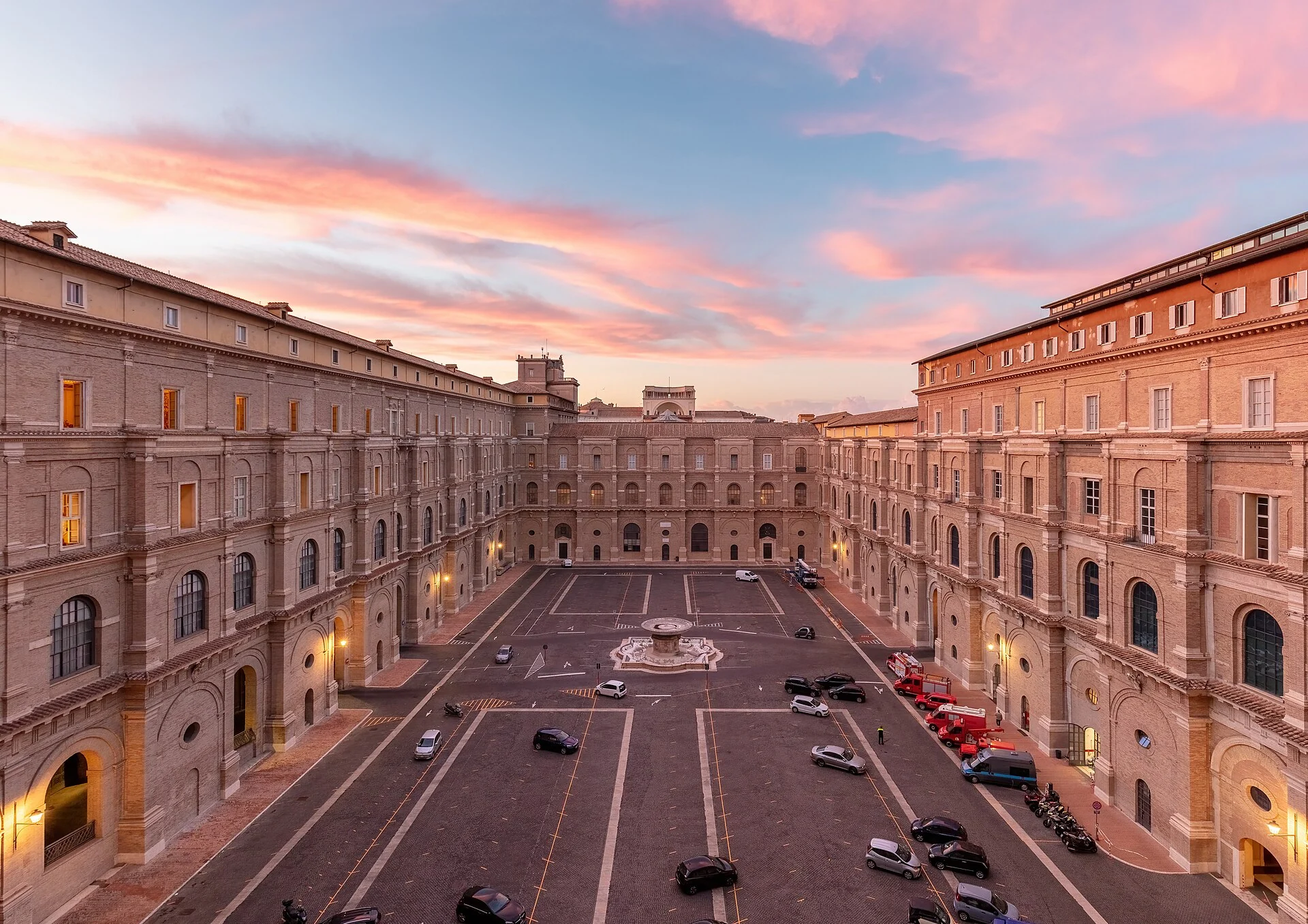
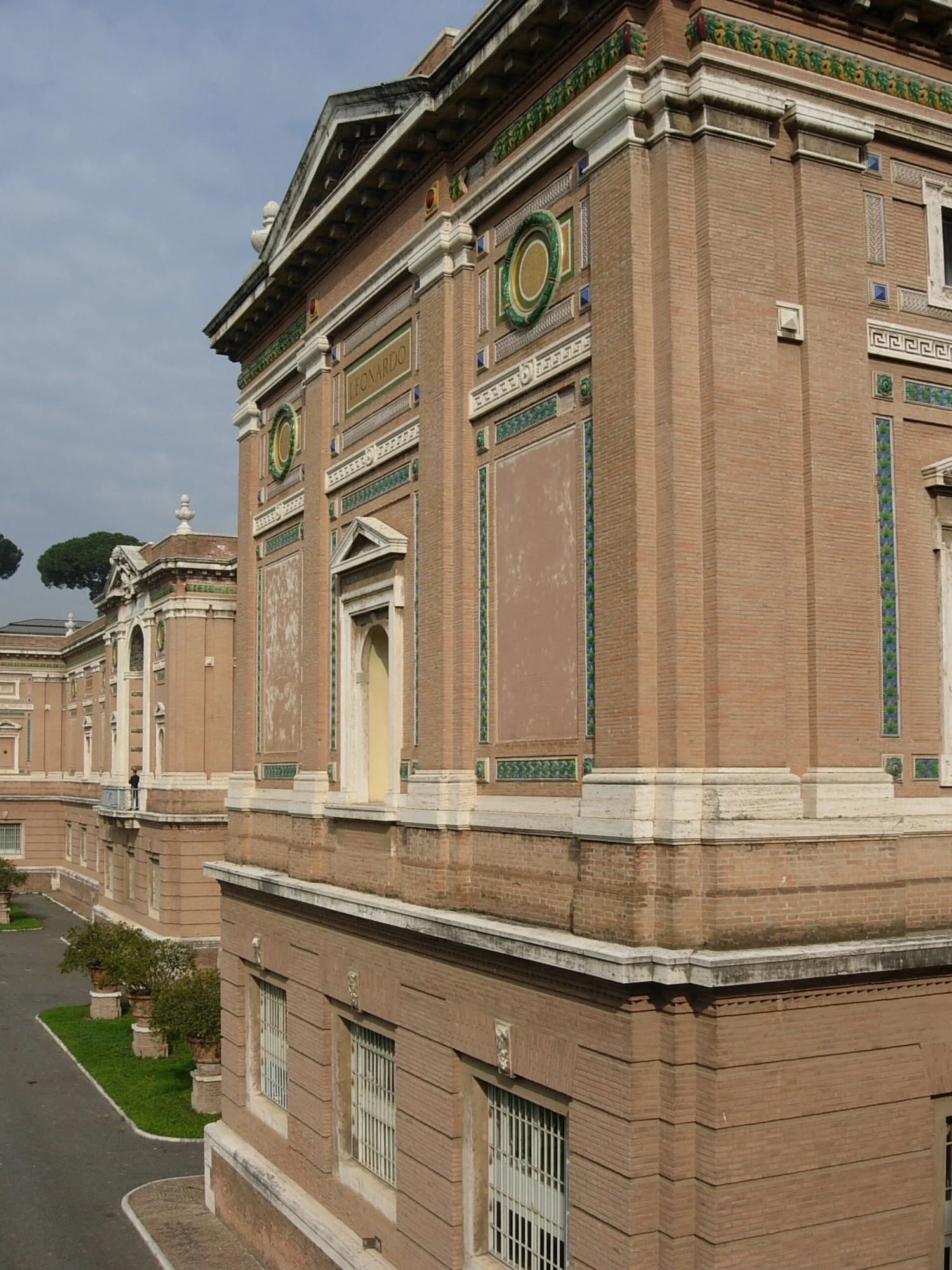
Long wall at dusk
The long wall at dusk
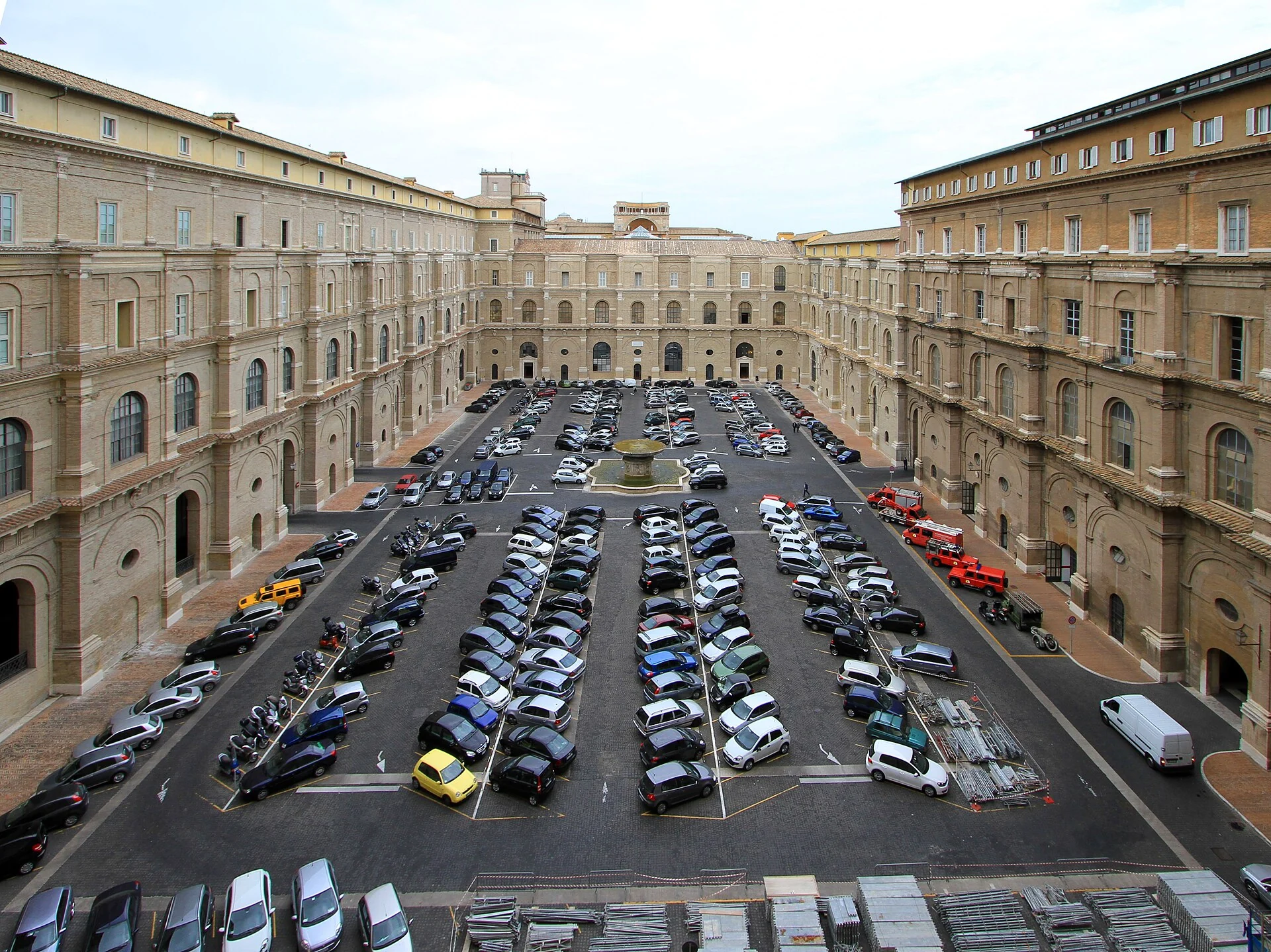
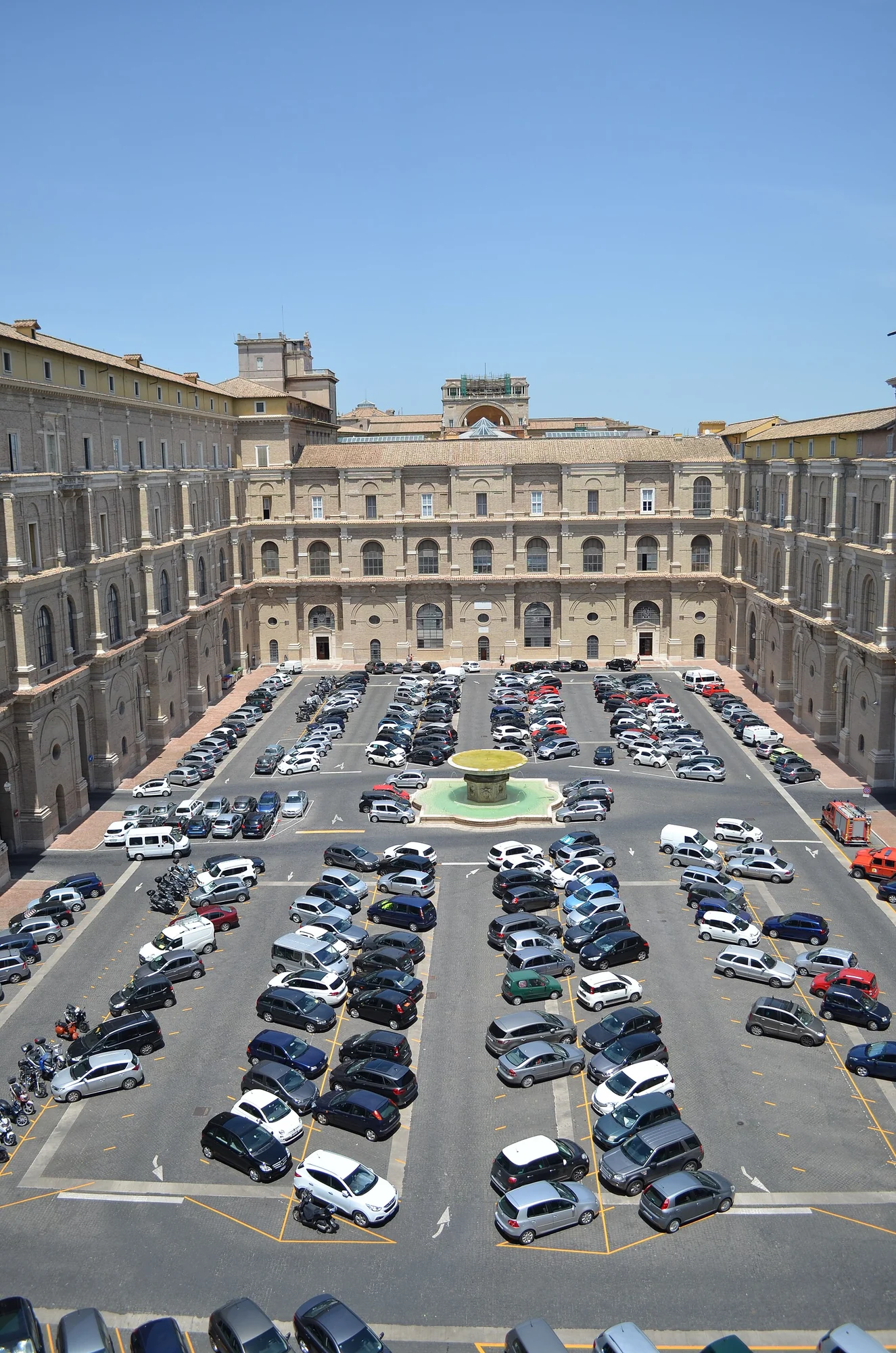
Passage from above
The passage seen from above
Lawn and pine

The Laocoön, excavated in 1506

In January 1506 the Laocoön group was dug up in a Roman vineyard. Julius II sent Giuliano da Sangallo and Michelangelo to look, then bought it from the landowner, and put it on view within a month. The papal collection begins with this marble.

Round corner window

The Gallery of Maps

Both walls of the long gallery carry maps of parts of Italy, painted by the Perugia friar Ignazio Danti for Gregory XIII. The whole gallery lays geographical knowledge out as a line you walk along, still among the largest pictorial surveys of its kind.

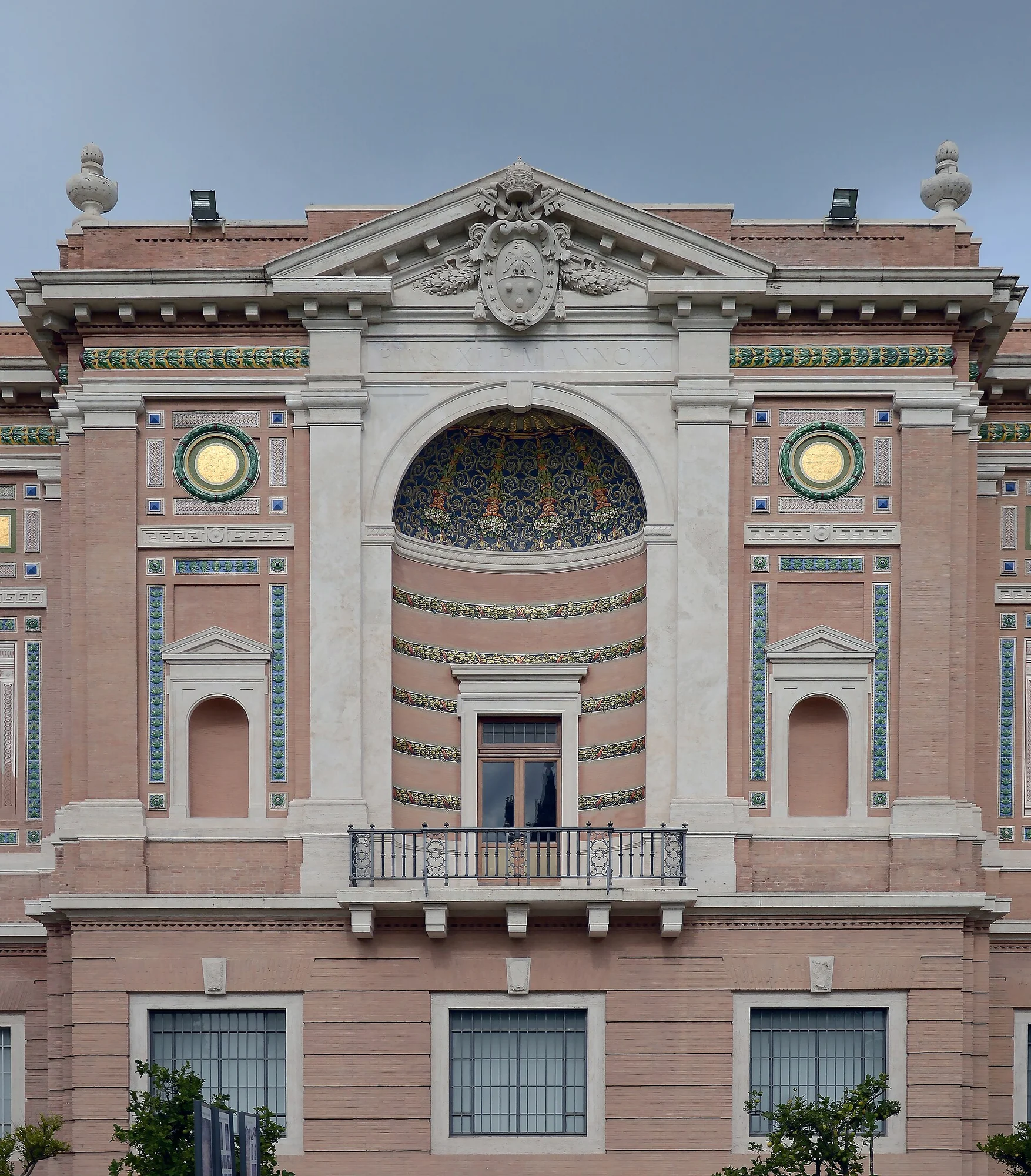
Pale-white building

The chapel placed last

The visiting route puts the Sistine Chapel at the very end — ceiling and altar wall by Michelangelo — while Raphael's rooms are earlier. Both are reached only after the long corridors before them, not visible the moment you enter.

Two rows of houses
Route

Soon after opening

Do not set it on a transfer day. In the morning the courtyards are quiet; leave enough strength for the main corridors, and only a short stretch more in the afternoon.

Walking the route without rushing

The museum is a sequence of connected spaces, so pacing matters more than ticking rooms.

Before you go

Book a timed entry if offered; the corridors are long.

Order

The Sistine Chapel comes last — save energy for it.

After

Step outside slowly; the pace inside is dense.

Plan this into a Rome stay

Tell us the days in Rome and we can talk through how the Museums fit with the rest of the city.

[email protected]

Read this page in Chinese

Discuss this journey