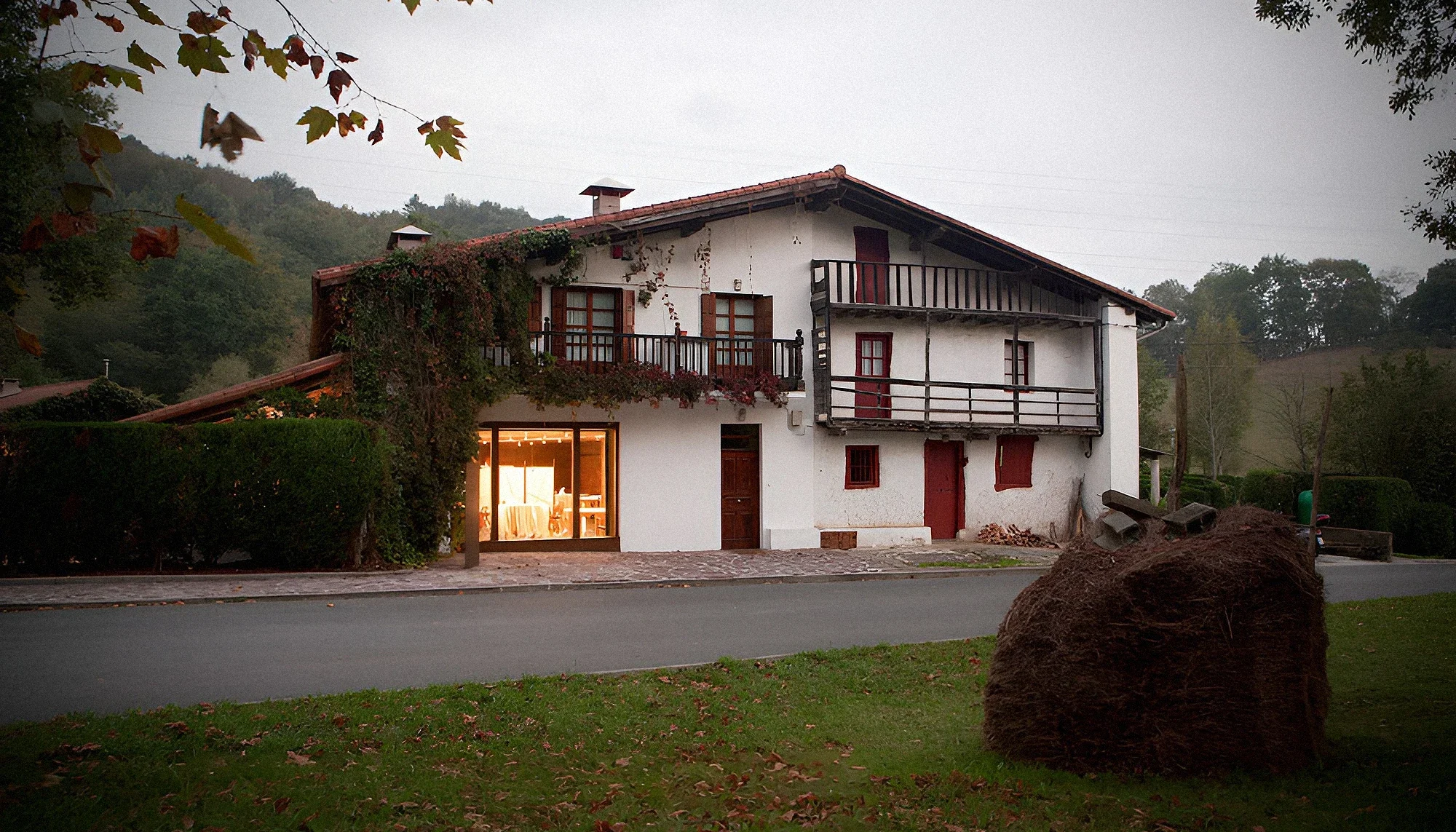
A white farmhouse with red window frames at the foot of a hill, its windows lit from inside

Gipuzkoa, Basque Country, Spain

MugaritzRed shutters, white walls, and the last few minutes on foot

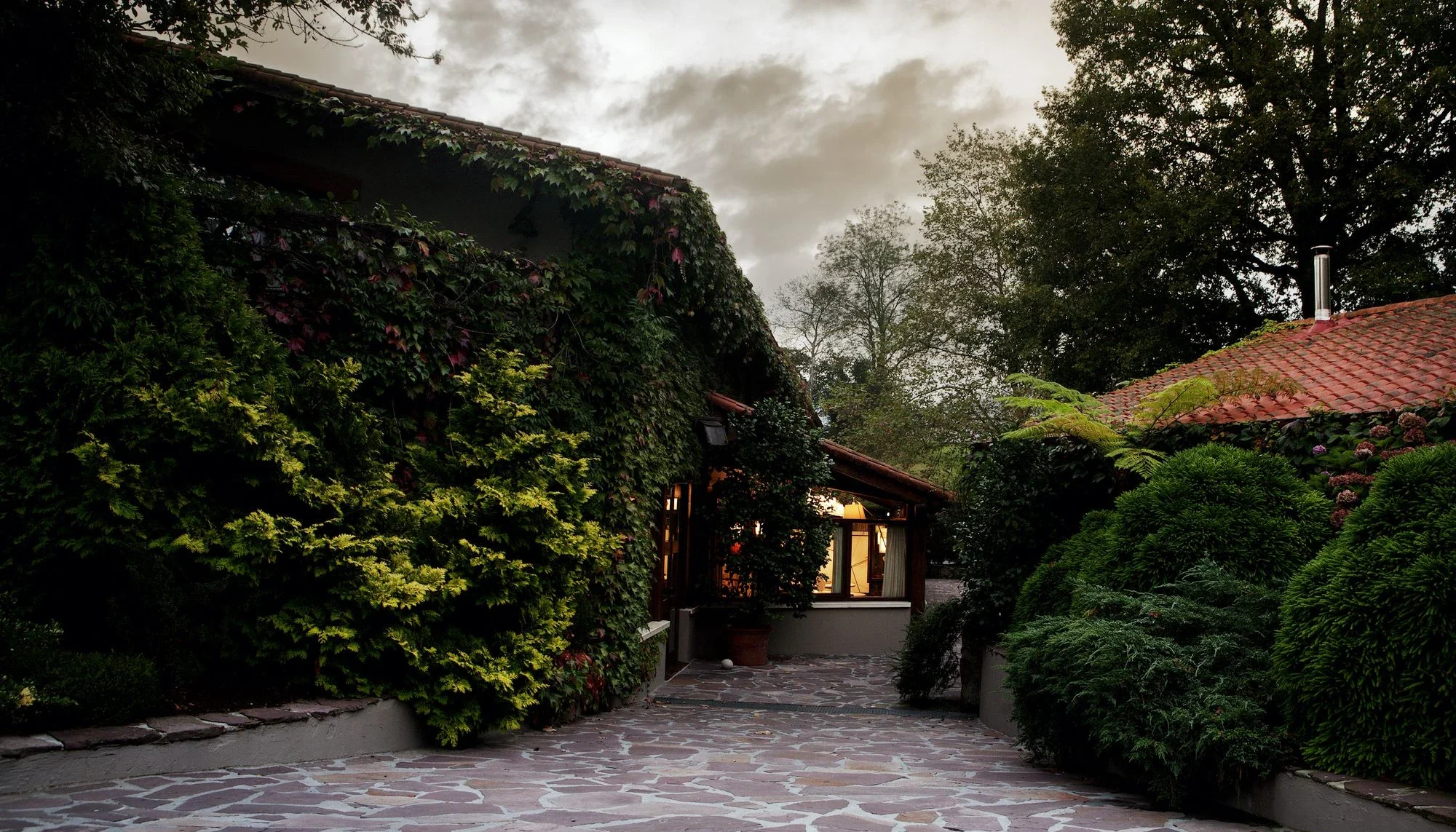
A white house with red shutters standing on the line between two towns in the Basque hills. The car stops outside, the last stretch is walked, and the road behind you climbs back down.

On the border between Errenteria and Astigarraga in Gipuzkoa, fifteen to twenty minutes by car from San Sebastián, with the final stretch climbing into the hills.

PlaceGipuzkoa, Basque Country
StyleOne menu a year, no à la carte
KitchenAndoni Luis Aduriz
SeasonAbout six months a year

Six months open, six months shut

Gipuzkoa, Basque Country, Spain — Basque cooking in a farmhouse, one menu a year, six months open.

The restaurant is closed for as long as it is open. It starts in spring, runs half the year, and then the doors shut; the same team stays in the same house and pulls the next menu apart, starting again from almost nothing.

While it is open, a meal runs about two and a half hours and lands somewhere between twenty-five and thirty courses. The kitchen designs the menu around the people at the table. There is no à la carte, and nothing to order.

Muga is Basque for boundary and haritz for oak, and the tree in the yard has stood on that line for two hundred years. The same thinking reaches the table: no bread, no dessert of its own, very few knives and forks, and no order of starters and mains.
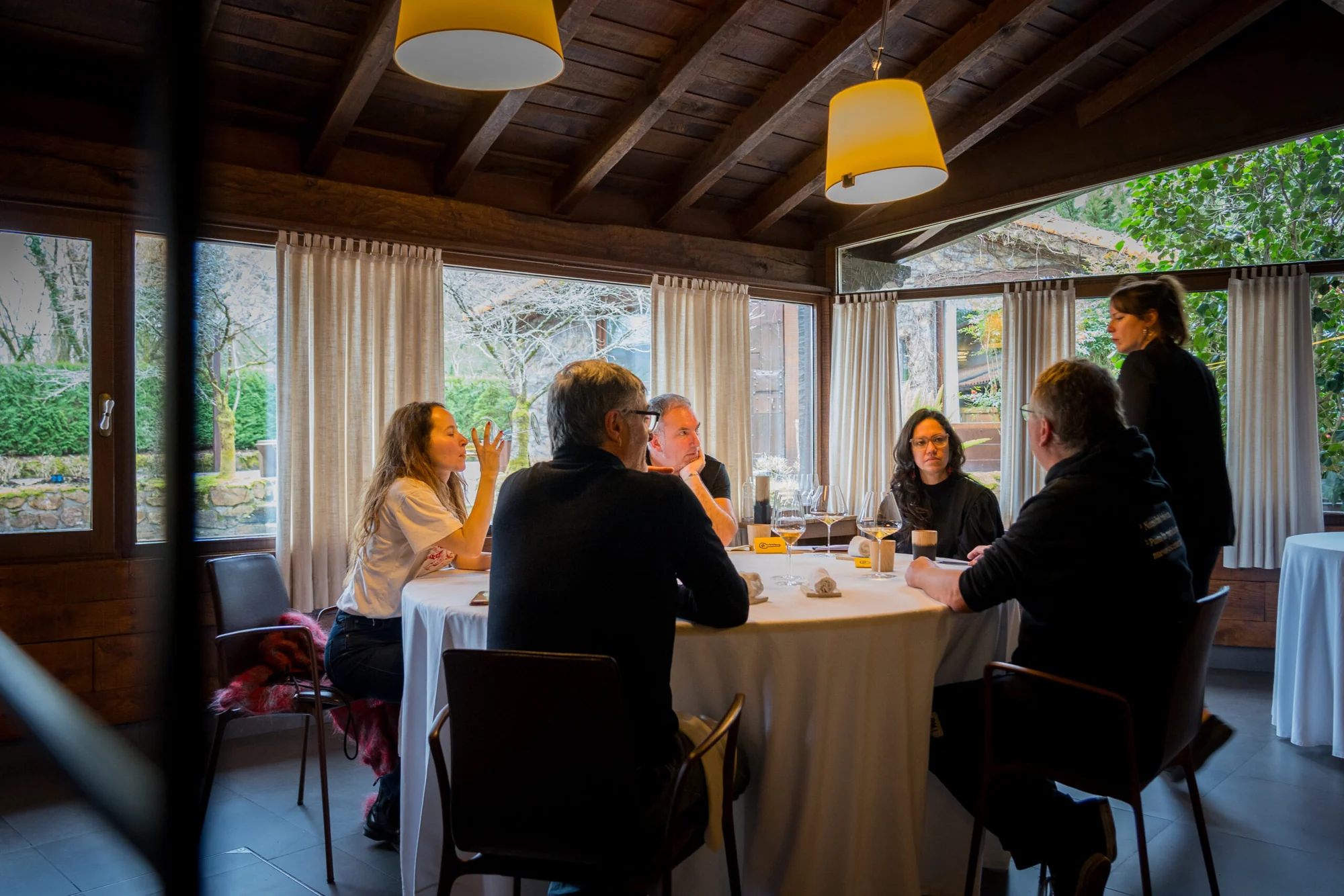
A long table inside the restaurant with several groups of guests eating at it
Long tables of guests in the dining room
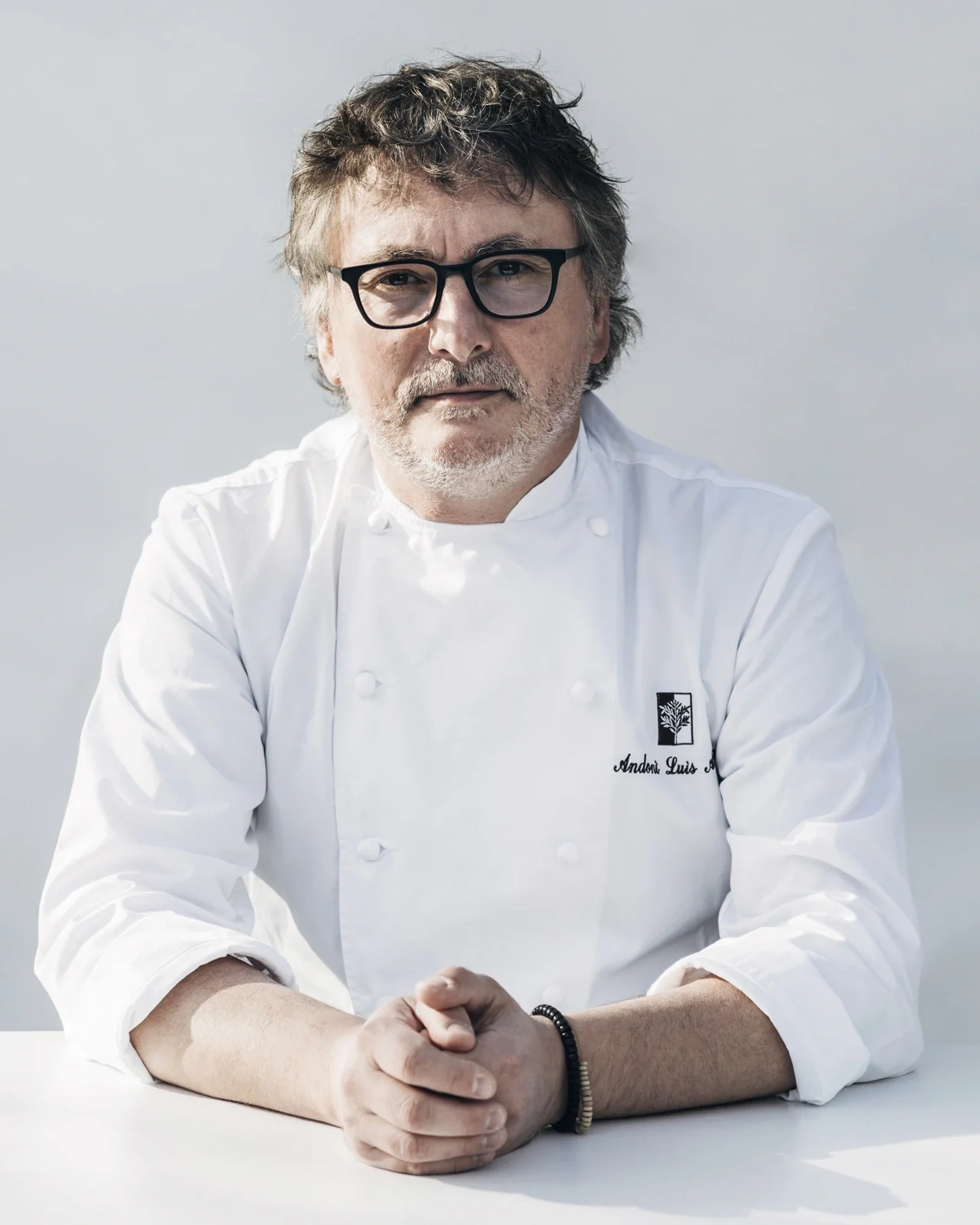
Chef Andoni Luis Aduriz in a white chef's jacket, sitting at the head of a long table
Andoni Luis Aduriz seated at the long table
A stone path crossing a green slope towards the entrance of the restaurant at the top

The stone path at the door

The car stops outside and the last stretch is on foot. The house stands on the line between two towns, with grass, woods and a few farmhouses around it. There is no hotel nearby; the closest beds are farm stays and country houses.

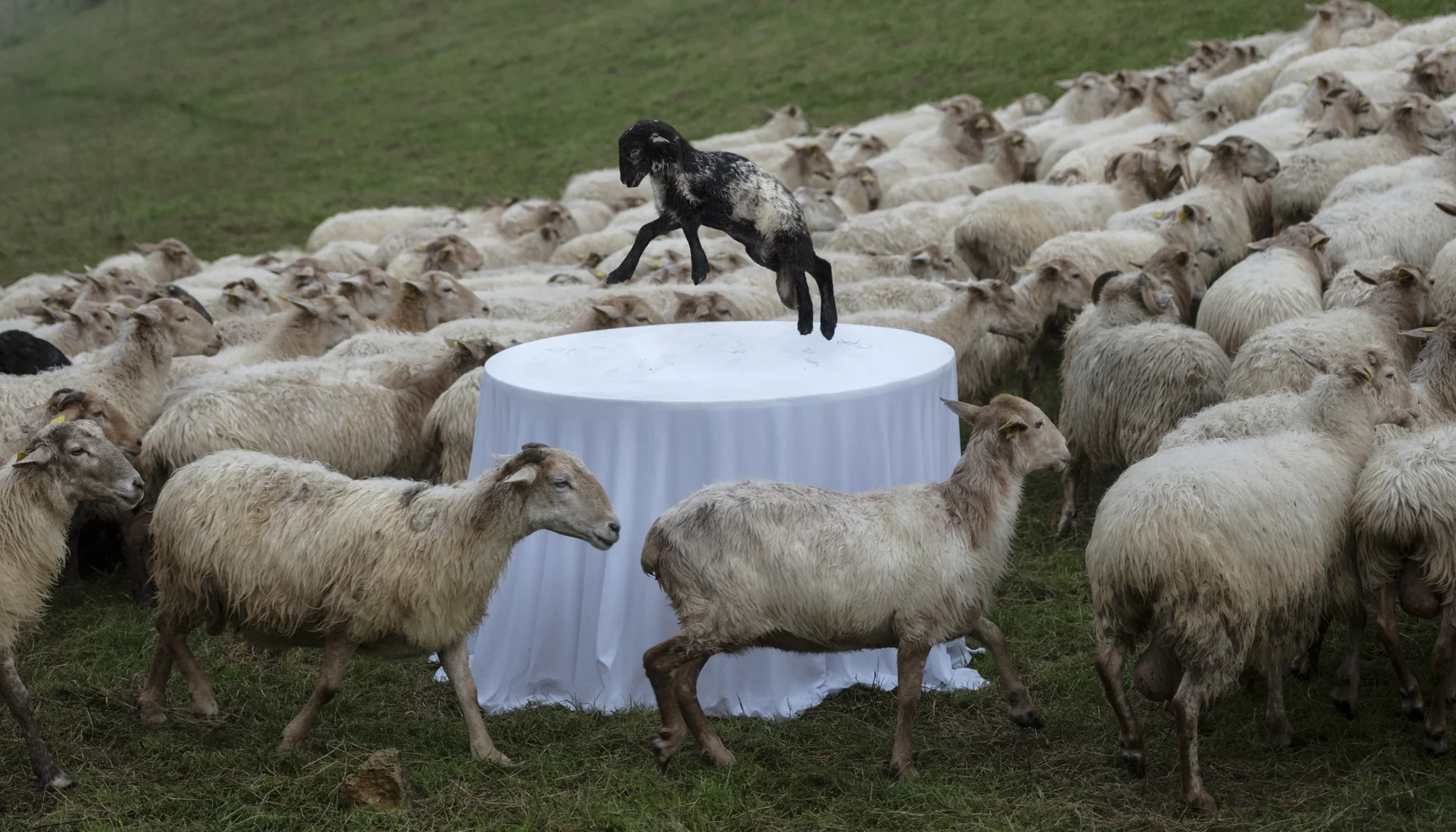
A table laid with a white cloth standing in the middle of a flock of sheep, with one black sheep standing on the cloth

The half year behind closed doors

The official site splits the year in two: six months searching, six months sharing. The searching half goes on research, collaborations and taking the last menu apart. In the site's photographs a table laid with white cloth stands among sheep; none of that reaches the menu.

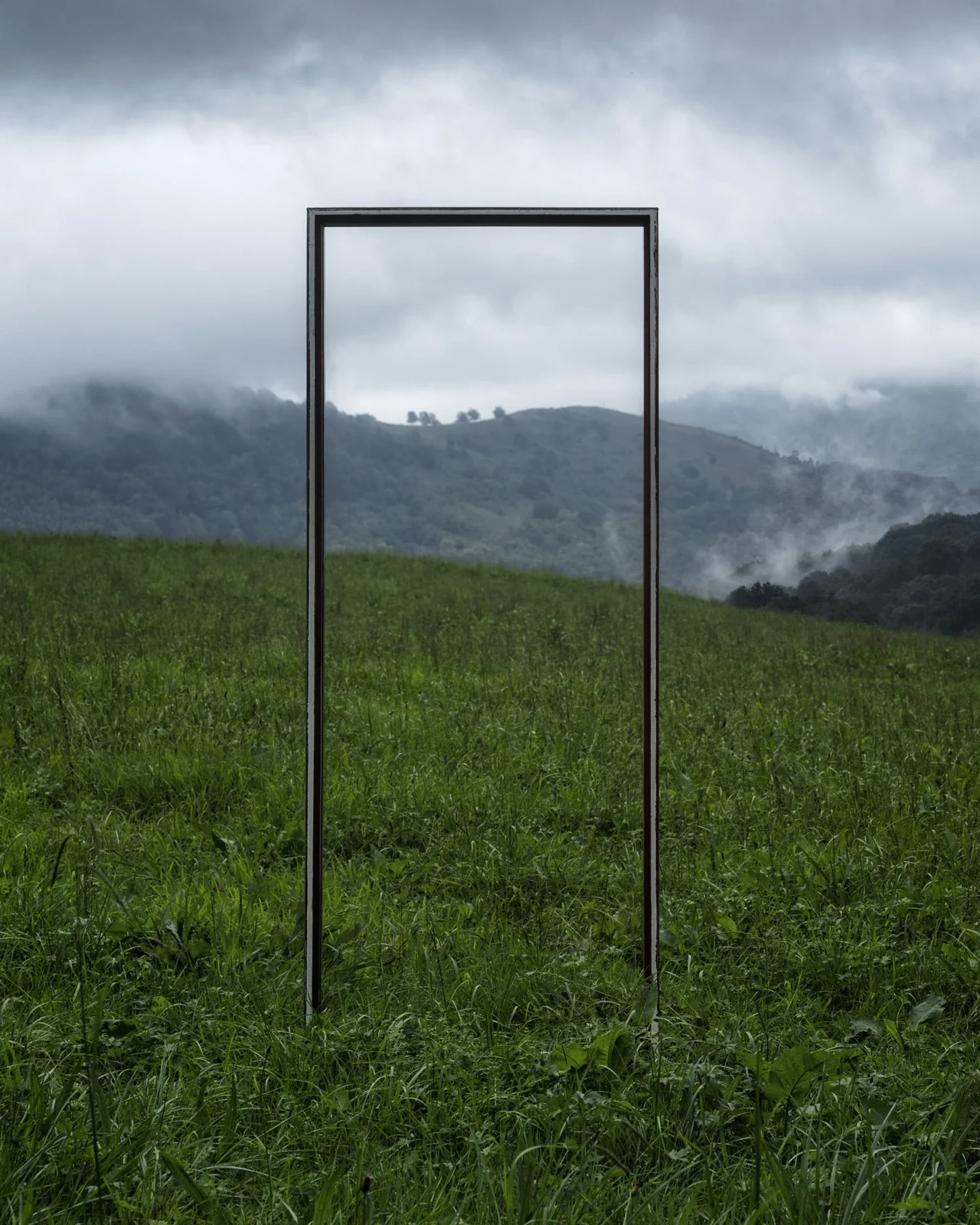
A black-framed door standing in an open field with no wall behind it

A name made of a boundary and an oak

Muga is the boundary in Basque, haritz the oak; the name is those two words, and the tree in the courtyard has stood on that line for two hundred years. On the experience page a black-framed door stands in open grass with no wall around it. The same position on a boundary runs through the table: no bread, no separate dessert course, very little cutlery, and dishes that do not arrive as starters and mains.

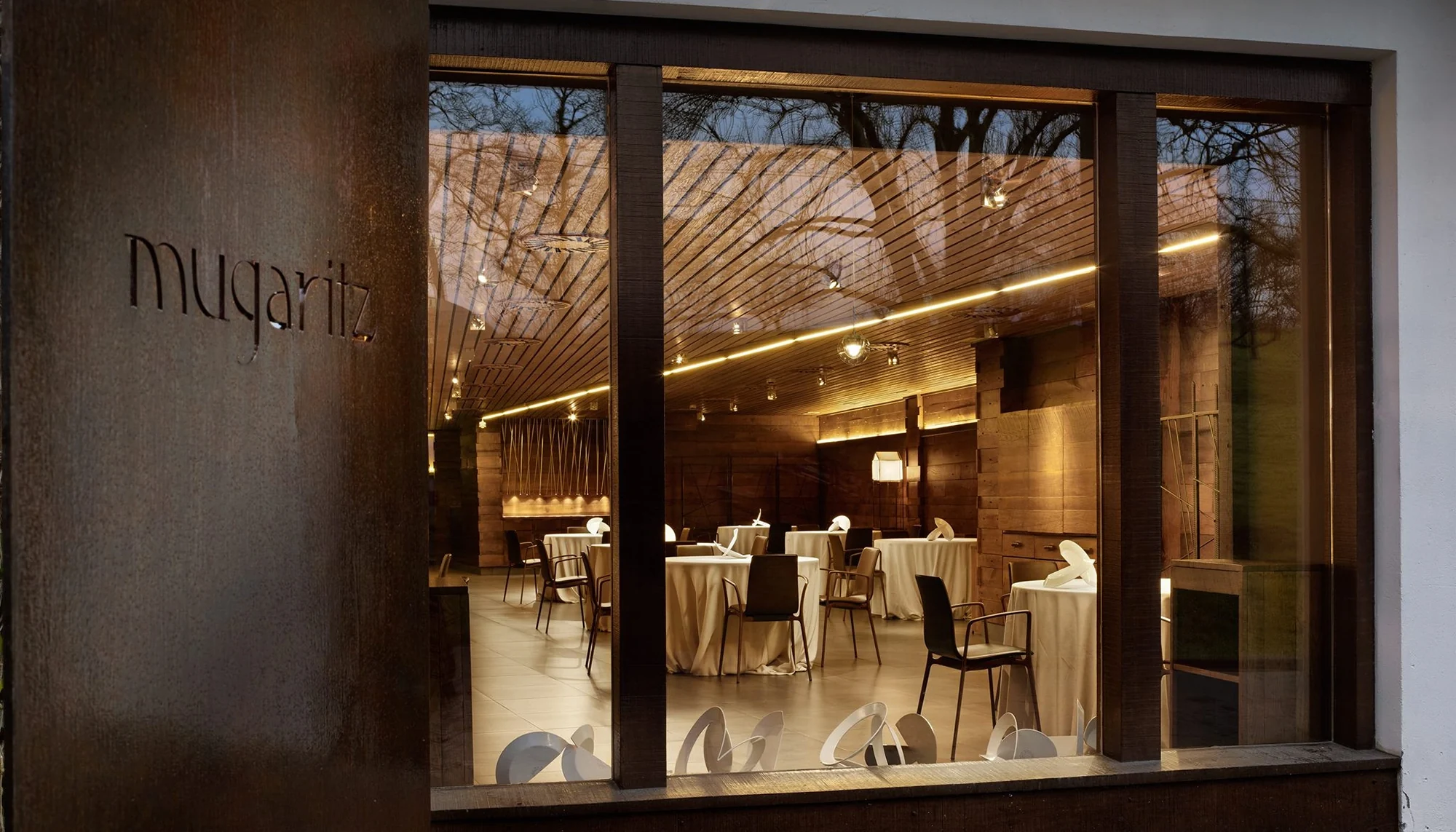
The word mugaritz etched into a glass window, with the dining room in dusk light behind it
Route

The half day given to the hills

Best placed as a lunch or a dinner with the drive left open on both sides. Nothing else belongs in that day; the road over the hill and back takes whatever is left of it.

Running since 1998

Mugaritz opened in 1998. The official site calls the whole project a creative ecosystem, in which a dish is the excuse for an experiment rather than the point of it: the plate is where a question gets tested, and the answer does not have to look like dinner. The house, the road up to it and the half-year calendar are all part of the same arrangement.

The months when the doors are shut go on research and on collaborations with people outside restaurants. The previous menu is taken apart, its parts sorted through one by one, and what survives goes back into the pool for another year. By the time the season opens again, the kitchen is working from a different set of assumptions from the ones it closed with, which is the reason the calendar is built the way it is.

A new subject every year

Each season carries one subject, and the subject disappears when the season ends. In 2026 it is called common ground: in the site's words, it takes the things everyone already agrees are delicious, the things everyone already agrees count as luxury and the things everyone already agrees are familiar, and looks at them again rather than taking any of it for granted.

Also worth knowing

How the booking works, how many sit down, and who is in the kitchen.

01

Booking and the deposit

The form on the site comes first, and the confirmation email is what makes the booking real. Numbers can be changed up to forty-eight hours before; anyone who does not arrive loses the deposit.

02

Twenty-five at a time

A service takes twenty-five people at most, and a single table fourteen. Children are welcome, though there is no children's menu, and no pets are allowed inside the house, so the numbers are worth knowing before a group is put together.

03

The kitchen

The chef has been in this kitchen since 1998. The same work has taken him to speak at Harvard and MIT, and into education projects at Madrid Culinary Campus, the Basque Culinary Center and Diálogos de Cocina.

04

More than twenty languages

The site mentions that more than twenty languages live inside the team, a detail that says as much about the kitchen as the menu does. The oak in the yard has heard hope, frustration and confession in all of them.

Putting a meal here into the trip

One menu, one season, and a calendar that decides more than the cooking does.

Cuisine

Produce from the Basque countryside. One menu a year of twenty-five to thirty courses, with no à la carte and no division into starters and mains.

Booking

Through the online form on the official site only. The table is held once the confirmation email arrives.

Hours

Arrival at 12:30 for lunch and 20:00 for dinner, about two and a half hours at the table. The house opens for roughly six months a year from spring, with dates set by that year's booking calendar.

Dress and diet

The site states there is no dress code. Allergies, dislikes and anything unwanted go into the confirmation email, and the menu is built from them.

Plan this into a journey

Dates, appetite and a car decide this one: a table here asks for a day of its own in the Basque hills.

[email protected]

Read this page in Chinese

Discuss this journey