Two gardens
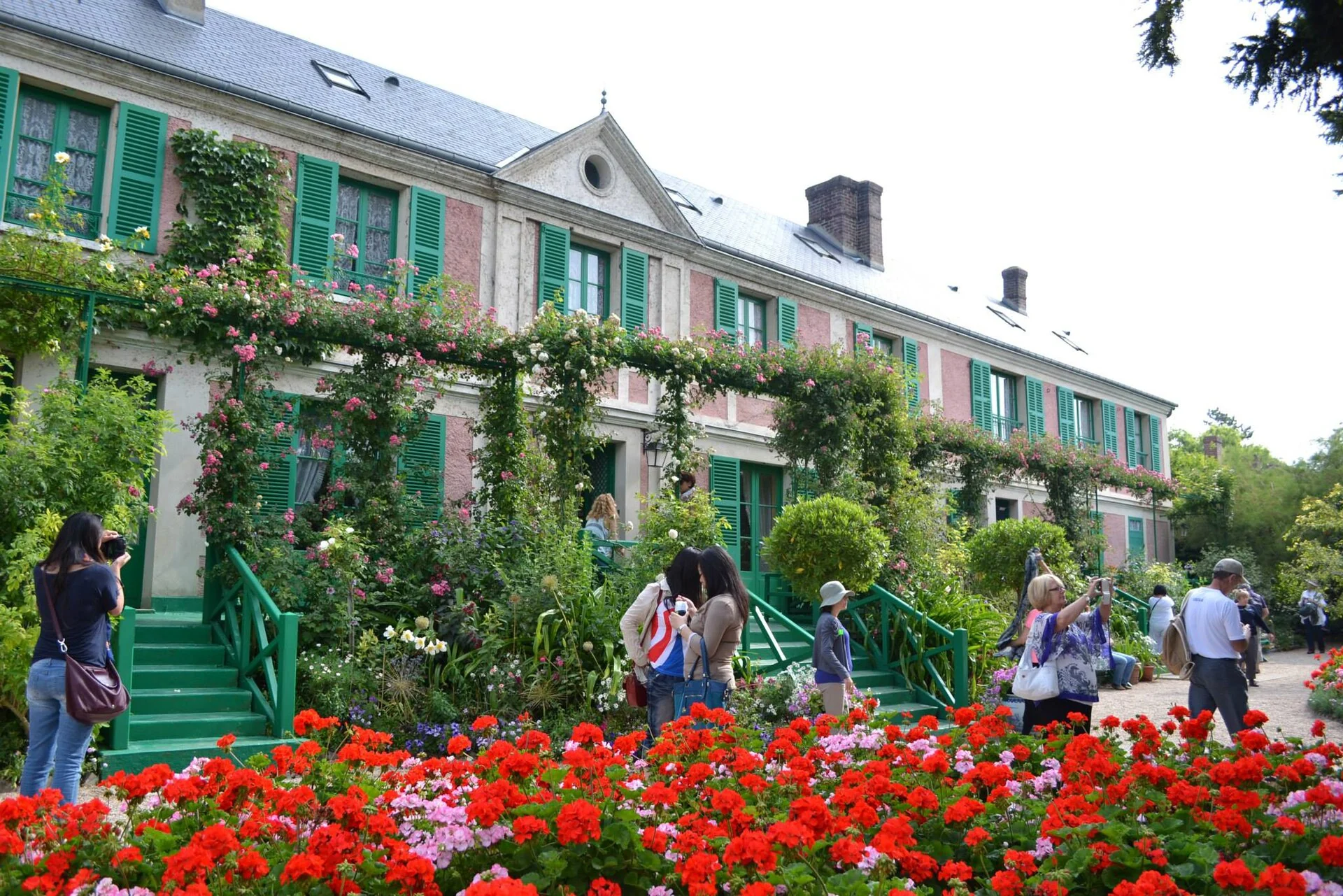
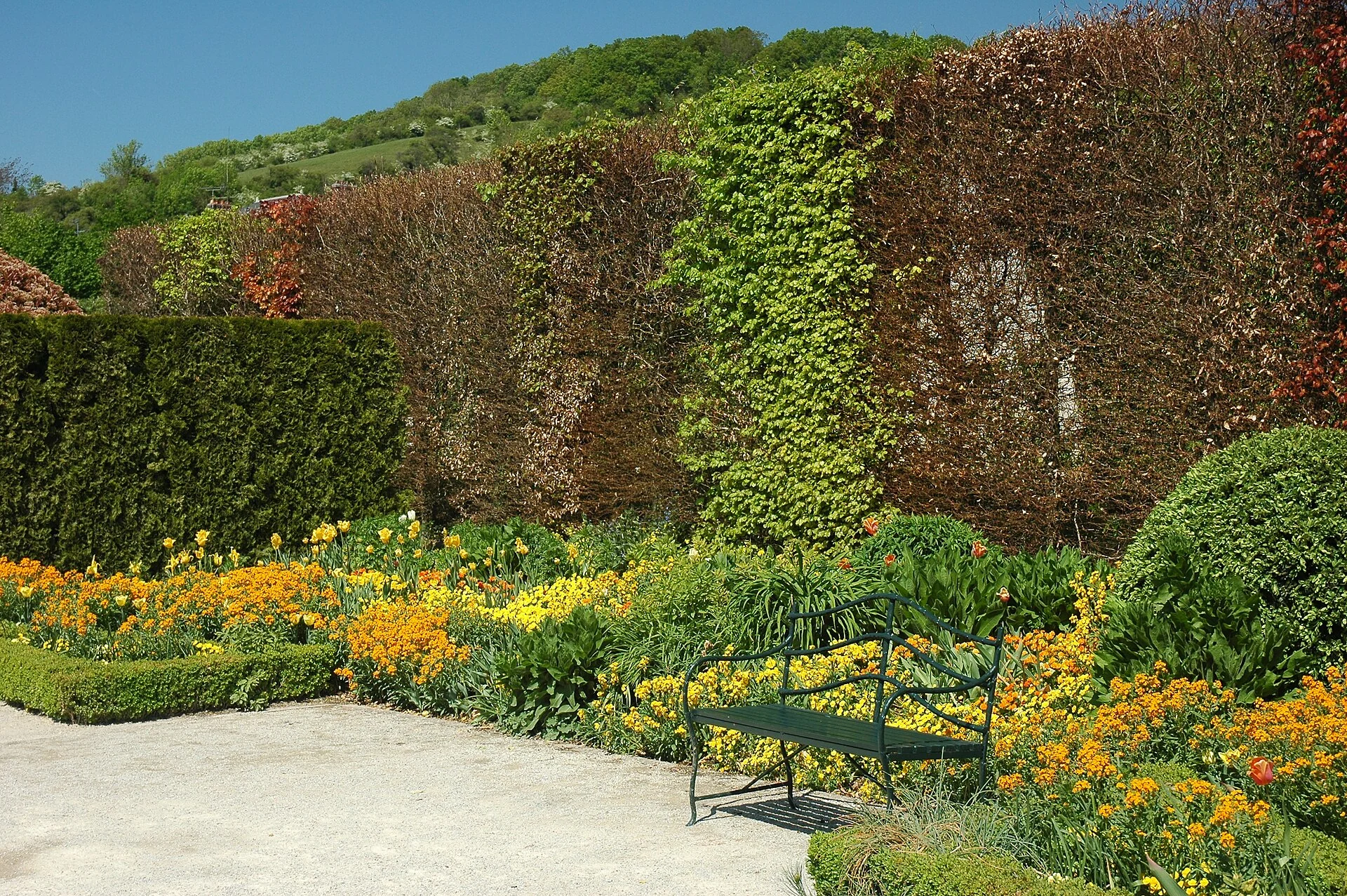
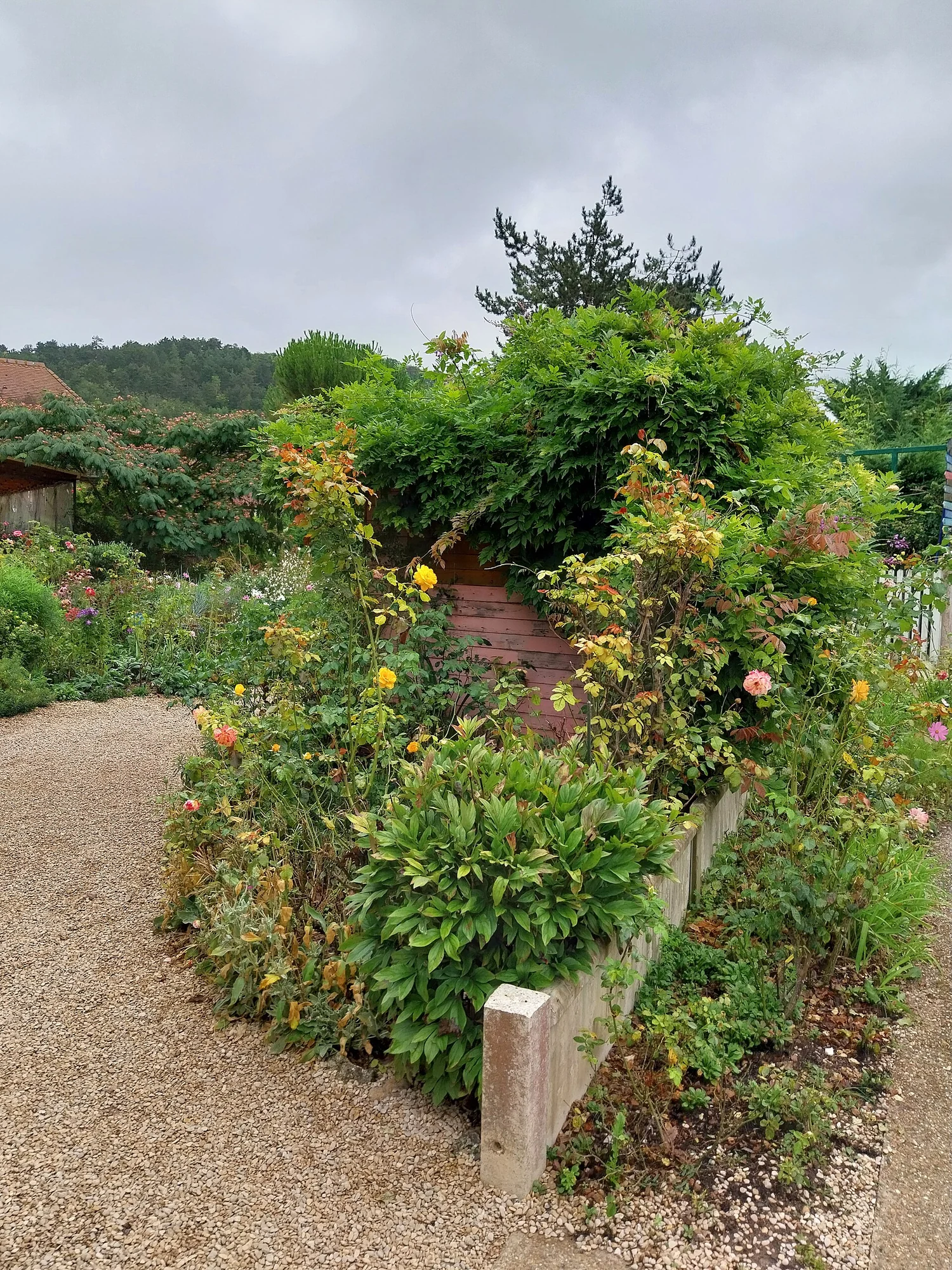
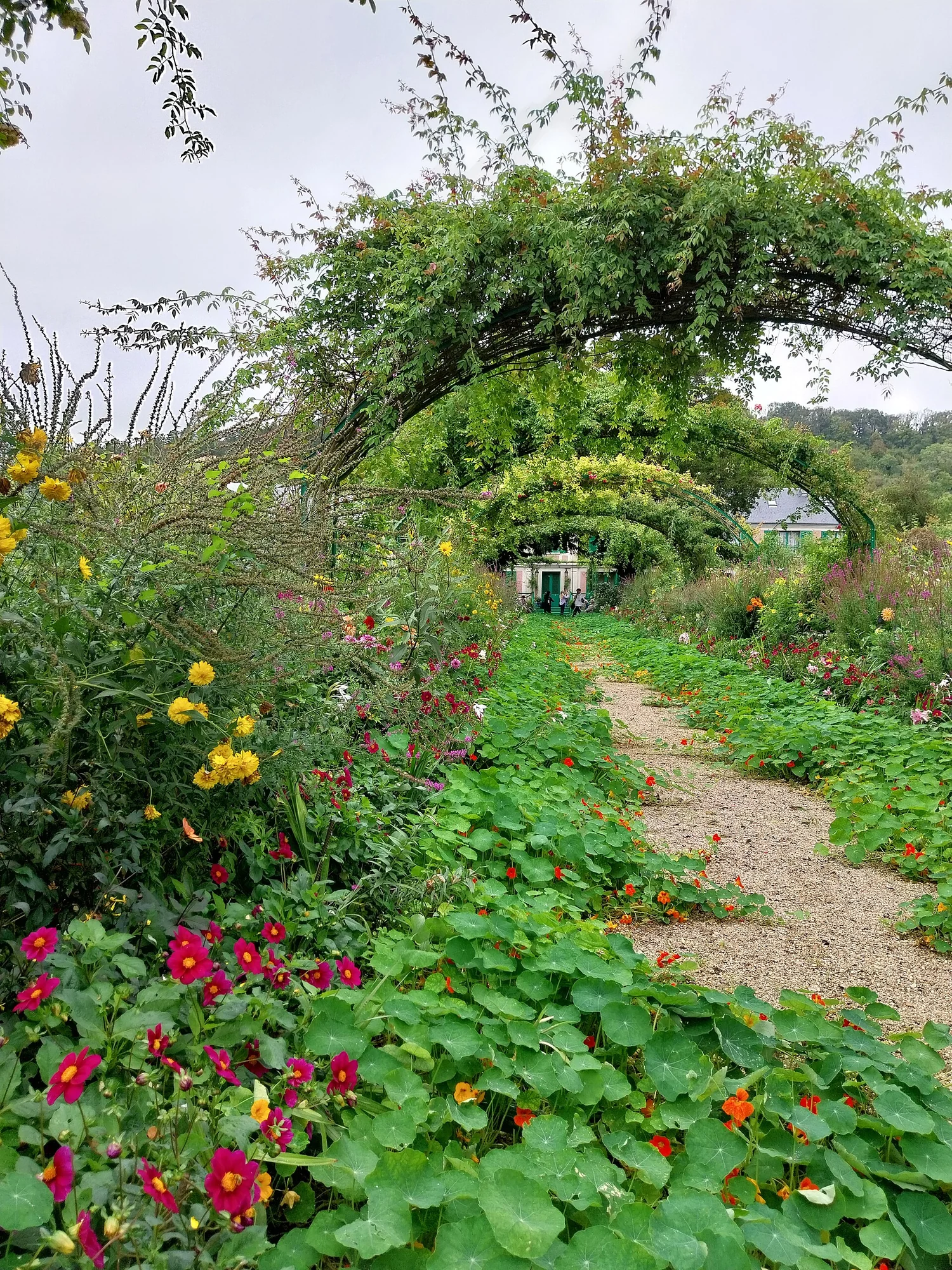
The plot before the house is the Normandy garden, a regular rectangle where climbing plants are trained into arches and, beneath them, shrubs and flowers are set by colour in straight paths. From the upstairs window the whole ground reads like a colour chart spread open; what Monet wanted was not the textbook pairing but colours that would paint.
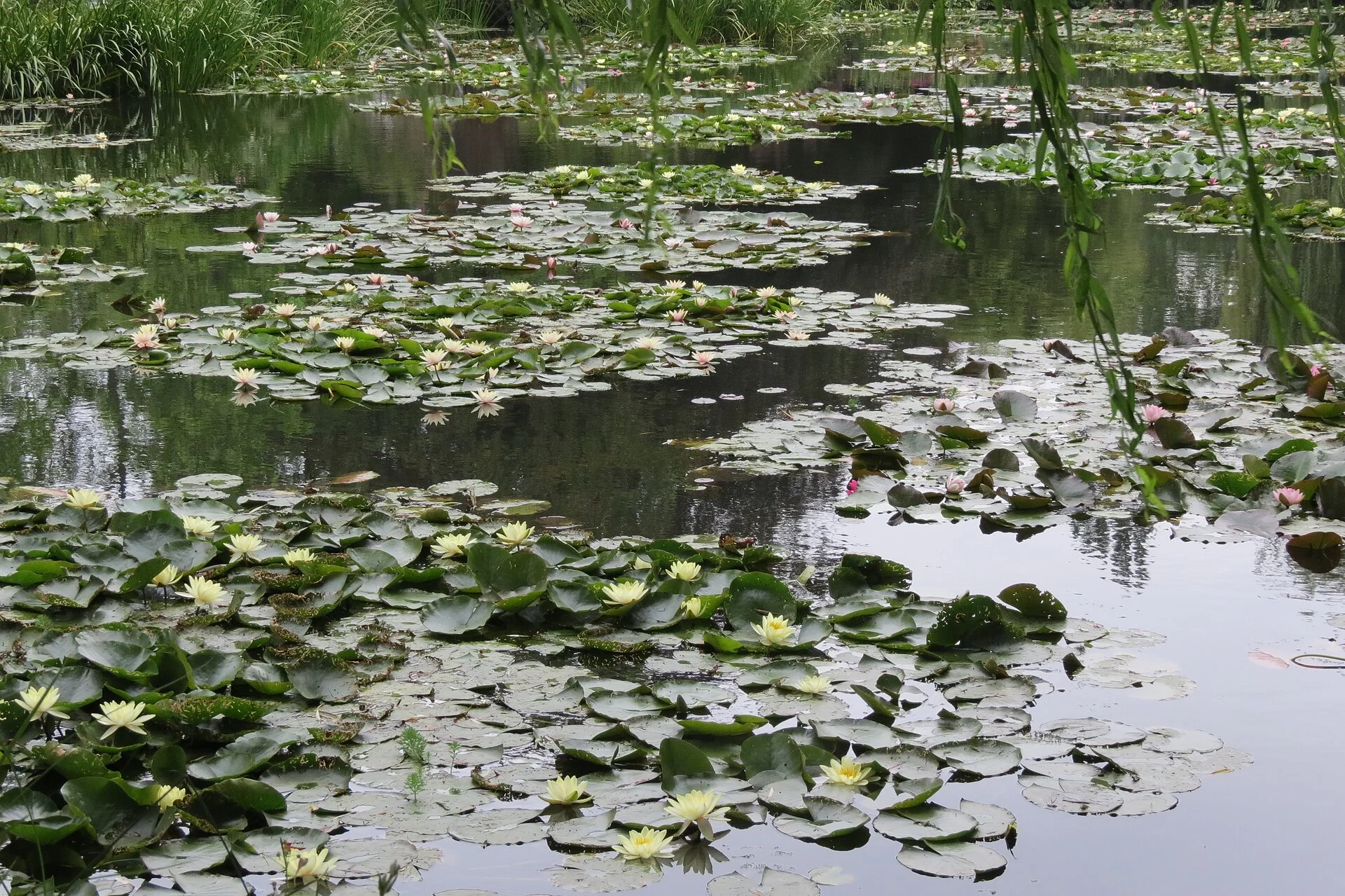
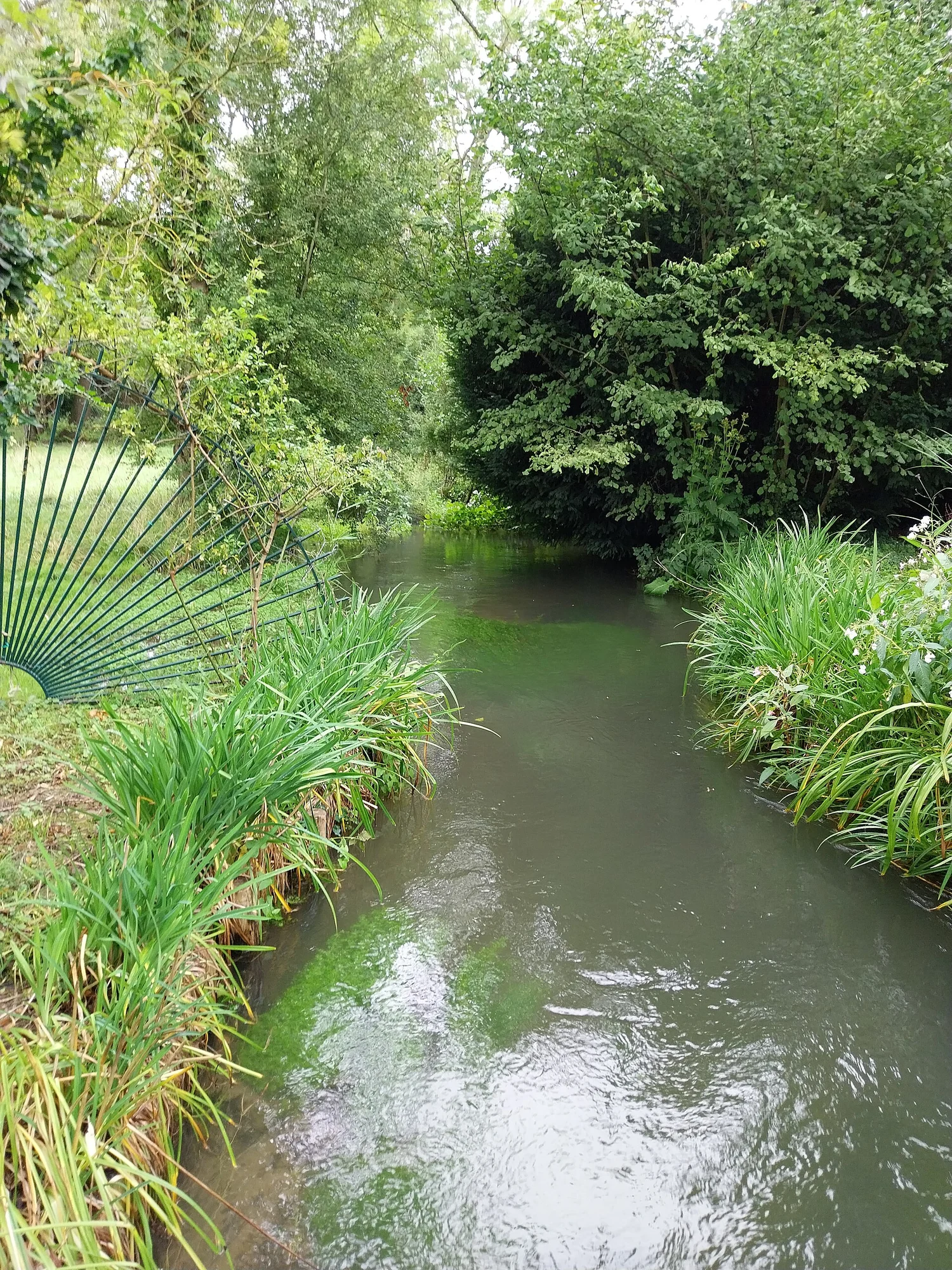
The water garden sits lower, fed by a branch of the Epte. A Japanese bridge spans the pond, lilies float, and wisteria and azalea grow along the banks. Between willow and water there is almost no transition; the reflection takes in the sky too, so in the paintings the up and down often can't be told apart.
He set his easel up in the same spot again and again, painting one pond over and over. Walk the pond once and you see why the bridge sits where it does: it cuts the water horizontally and gives the eye a place to land. When the wind drops, everything on the bank gains a second copy.