Store interior with wooden shelves and a paper counter, several customers choosing

Ginza, Tokyo, Japan

Ginza ItoyaA whole wall shelved by colour

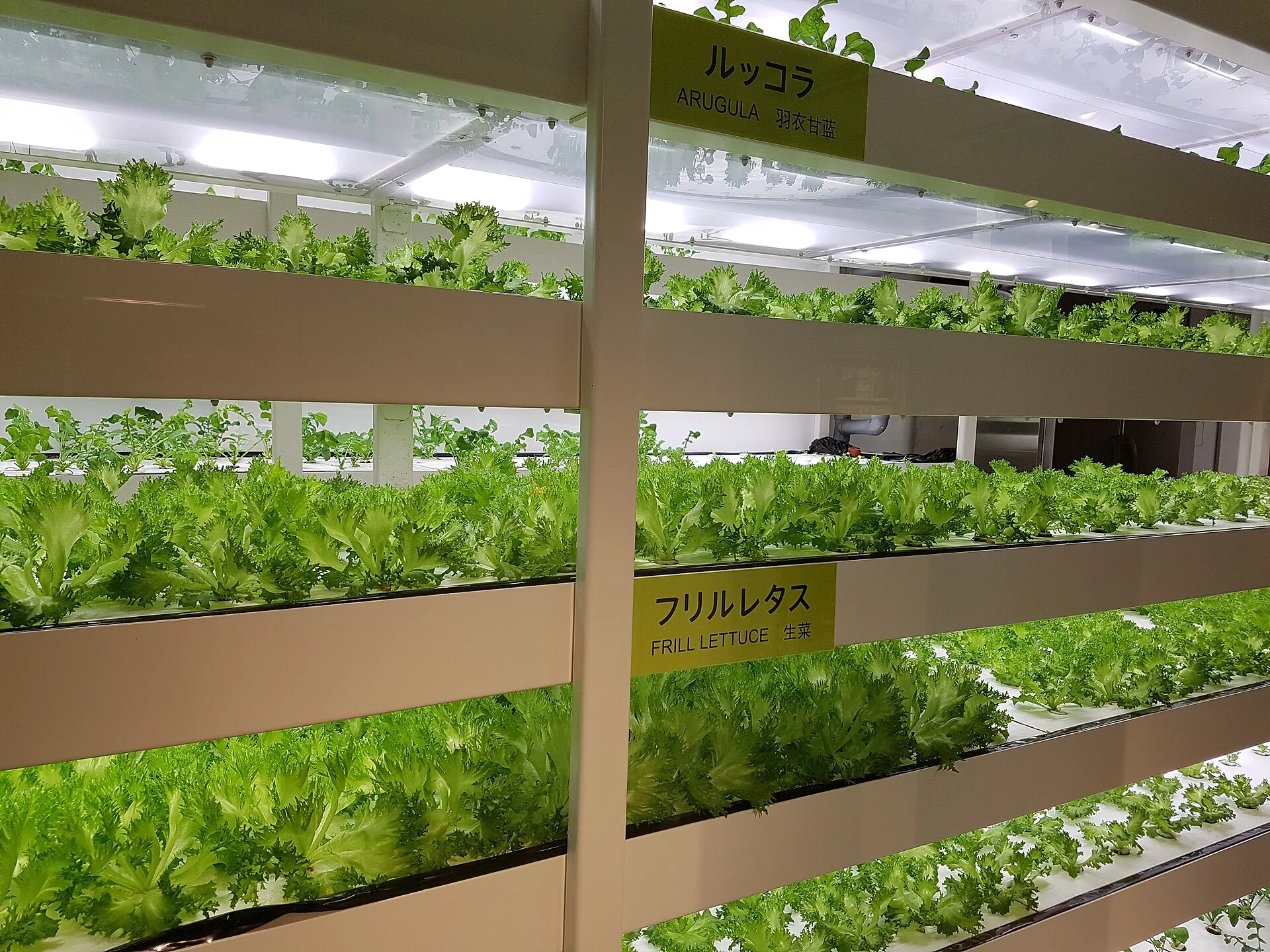
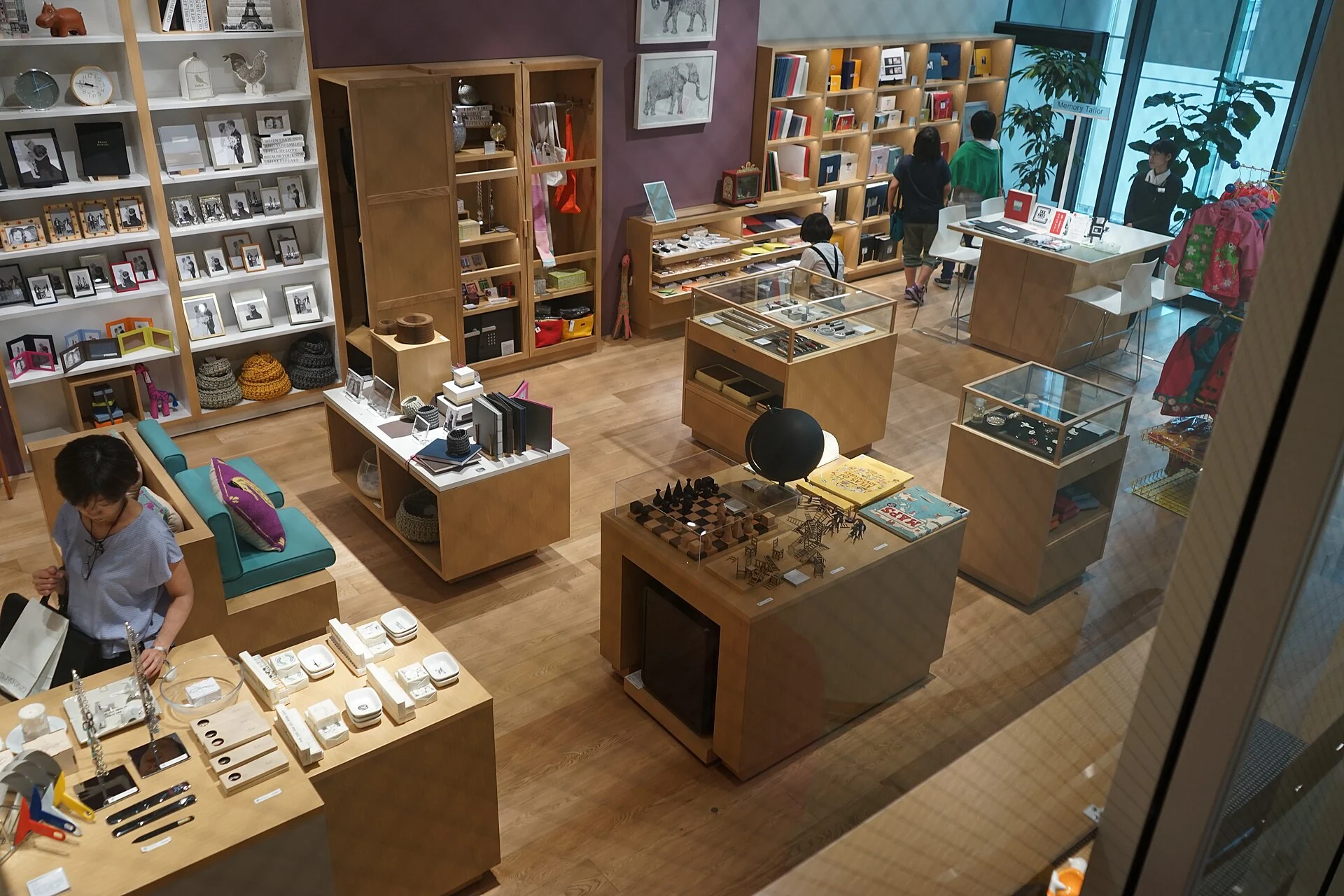
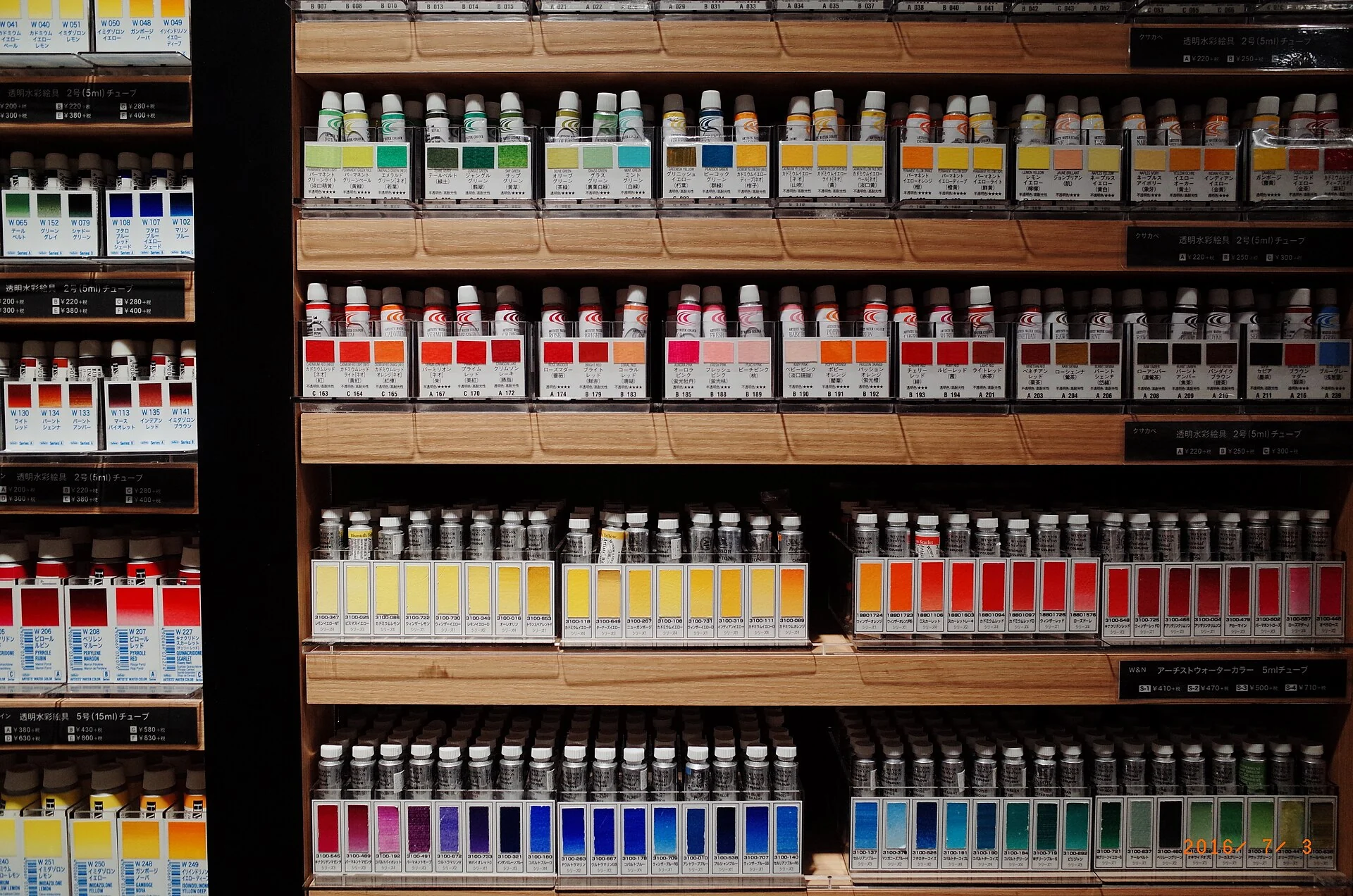
Push the door and first comes a whole wall of bottles ranked by hue, red orange yellow green counted off shelf by shelf. On the wooden counters sit paper, notebooks, and pens, with sample sheets laid out to try. Stairs carry you floor by floor, each level different; climb high and the glass shows Ginza rooftops and a tree.

At a street corner in Ginza, the main and annex buildings stand side by side, with a subway station right beside.

PlaceGinza, Tokyo, Japan
TypeStationery and art-supply specialist store
SuitsStationery lovers who'll read how the shop is laid out, not only photograph the sign

Paper, pens, and the building

Ginza, Tokyo, Japan — Stationery and art-supply specialist store.

The shelves ranked by colour are themselves the clearest introduction to this shop.

The main building, the annex, and the fountain-pen corner each have their role; worth walking floor by floor.

Over more than a century the building changed several times, but the red marker at the corner stayed.

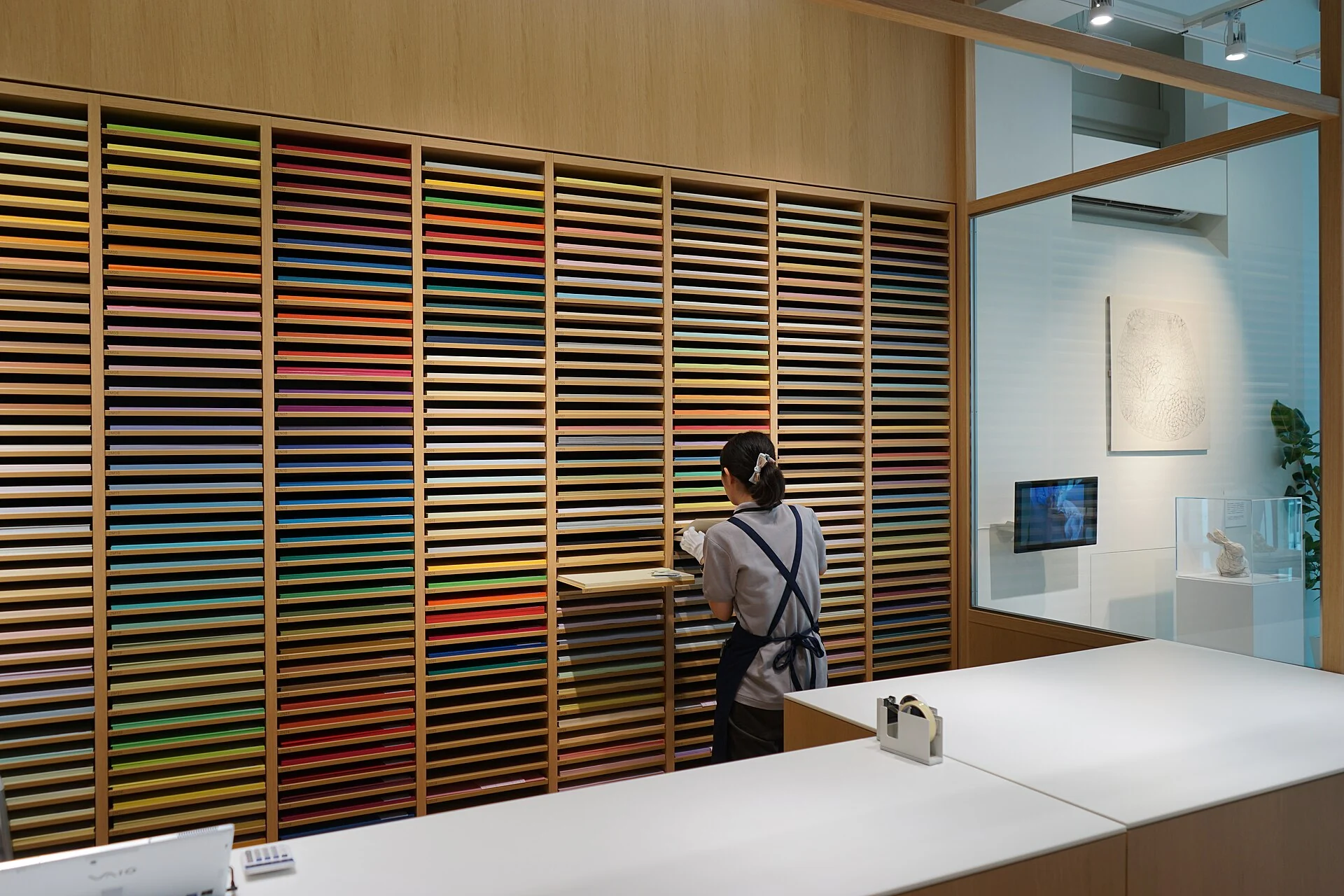
A whole wall of ink bottles ranked by colour hue
The ink wall ranked by colour
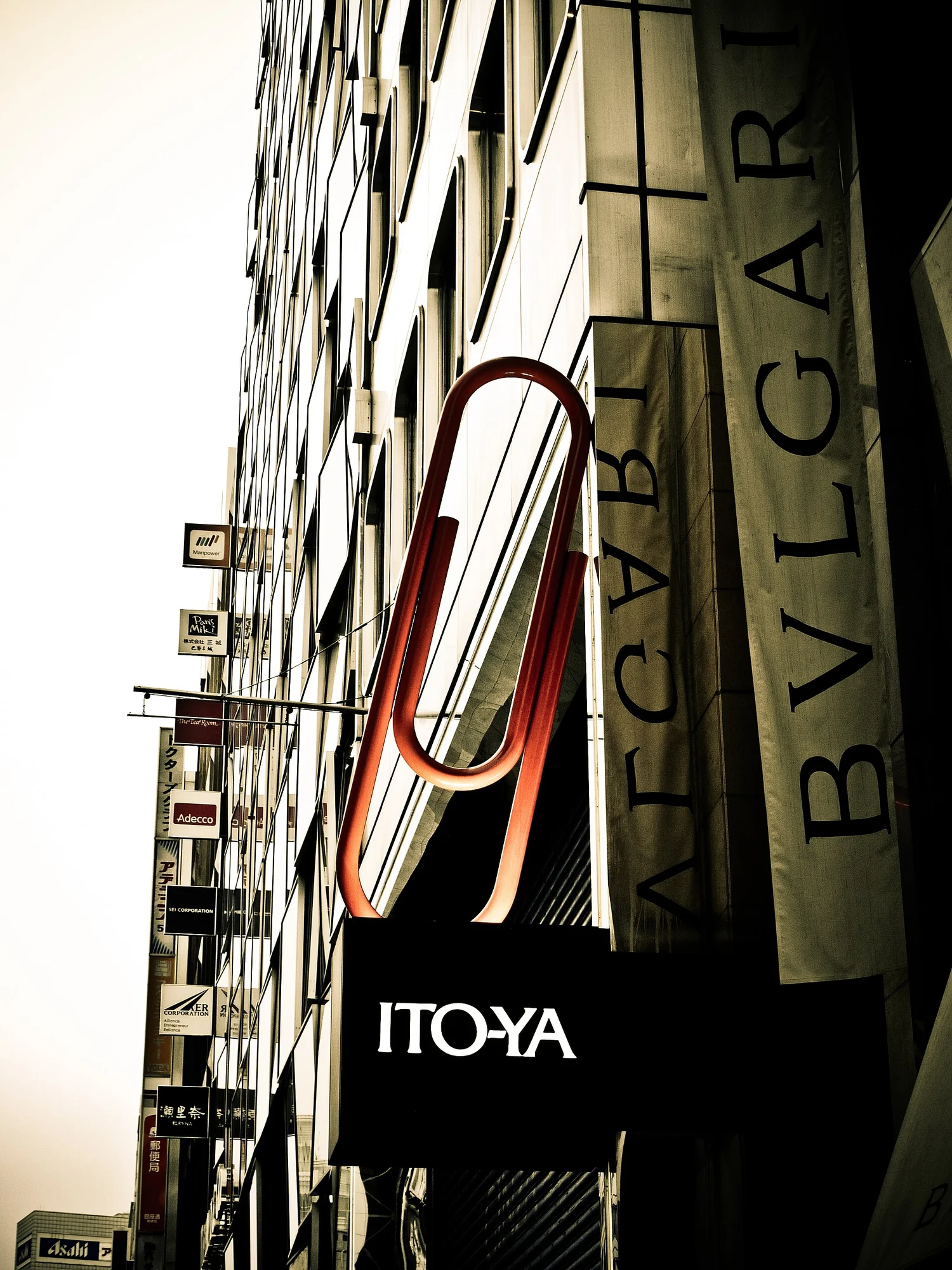
A red paperclip sign standing between white buildings, the shop name below
The paperclip at the street corner
A wooden lattice wall and a pale display counter, one person looking

The shop opened already named Itoya

On 16 June 1904, Ito Katsutaro opened a 'Japanese-Chinese-Western stationery' shop at Ginza 3-chome, and the trade name from the start was Itoya. In 1909 it became a white-brick three-storey; the shop dealing in Japanese, Chinese, and Western stationery later turned into a specialist in art materials and paper. Today the head office is registered at Ginza 2-chome 7-15.

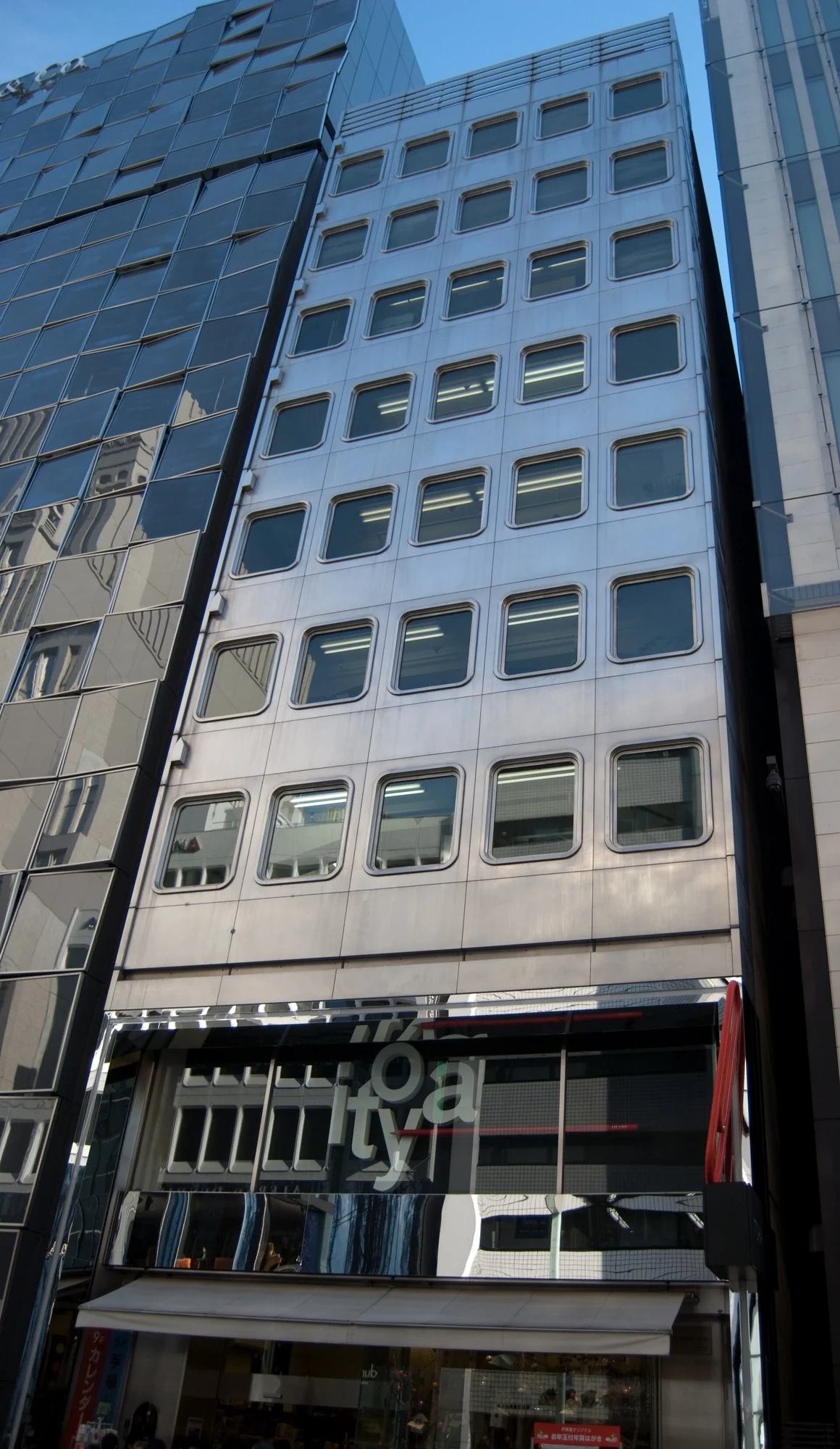
A silver-grey building face with neat square windows, shops at street level

After the quake it went to Marunouchi first

The 1923 Great Kanto Earthquake burned the main store; business resumed first at the undamaged Marunouchi Building shop. The new building was only completed in 1930 — two basements and eight storeys above, today's Dai-Itoya Building — leased to Matsuya from 1965. In between came the 1937 rename to 'Itoya Department Store' under the department-store law, the 1944 closure for lack of materials, and the 1946 reopening after the war-damaged building was repaired.

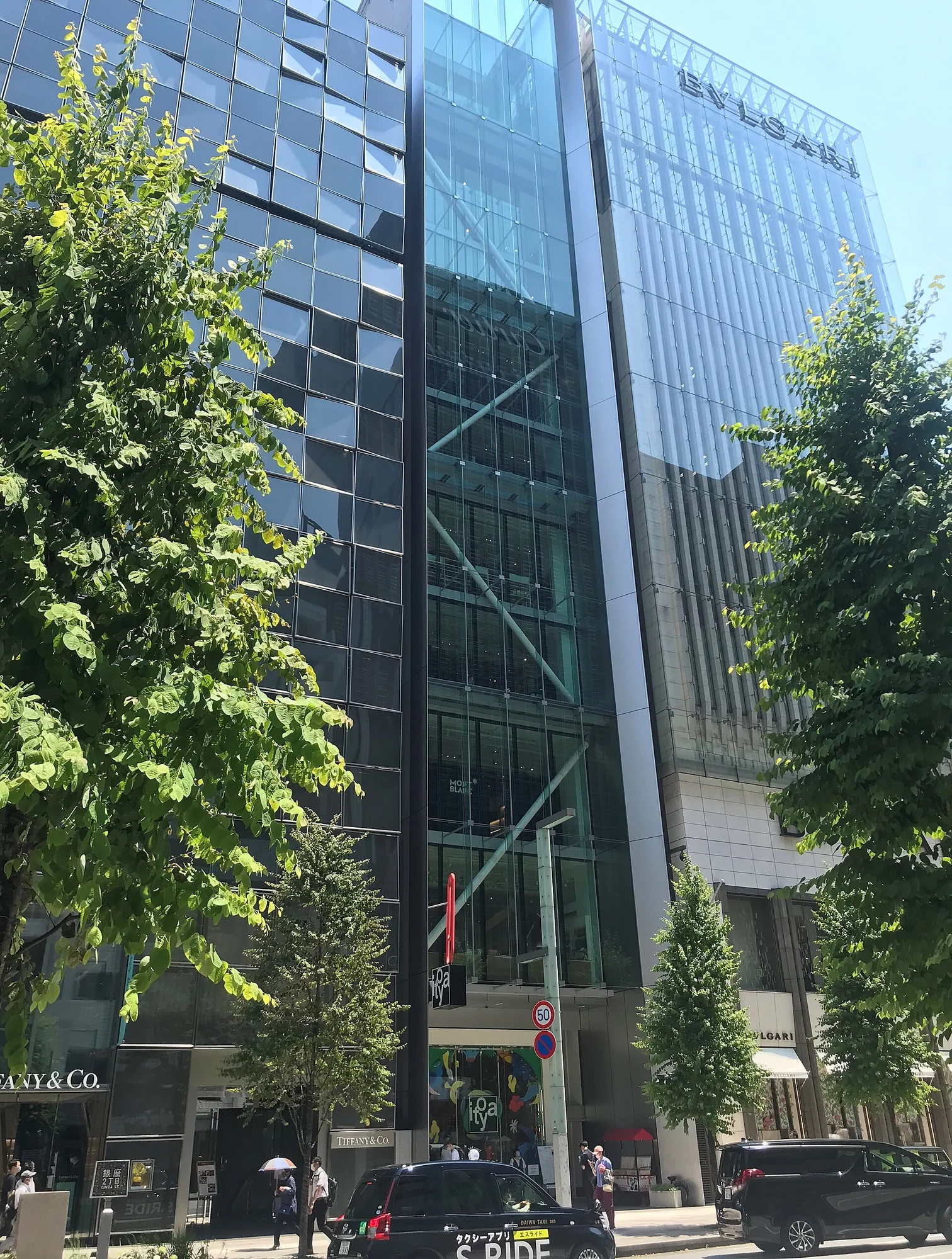
A glass-curtain-wall building and street-side trees under a blue sky

A small orange ticket

From 1953 the shop issued Merci tickets: orange, yellow, and green for 100, 50, and 10 yen, given at 2,000, 1,000, and 200 yen of purchase, a roughly 5 percent return with no expiry, usable on the next visit. Issuance stopped in January 2009 in favour of a card or app at 3 percent, expiring 24 months from last use; unused old tickets can be exchanged in-store for card points.

Greenery planted in wooden frames on the rooftop
Route

Before the street gets crowded

It sits easiest along the Ginza stretch, in and out on foot; the store has few steps and your legs will hold up.

A main store that changed looks

White brick three storeys, then two basements and eight above — the main store's look changed several times. The 1965 building was called the Stainless Building and served nearly half a century; it closed on 31 January 2013 for age and moved the same day to a temporary shop behind Matsuya Ginza; the rebuilt main store reopened on the original site in 2015, on the same date as the founding.

The name never changed, nor the marker. Above the Ginza main store's sign, the red paperclip is the shop's famous symbol; Japanese sources only say it is well known, without recording the year it was raised or who set its form. In street photos it outshines the name, and from the corner what you recognise first is often this clip.

Today's Ginza main store splits into the main G.Itoya and the annex K.Itoya, with a tea room and gallery besides. In 2012 the fountain-pen corner on the middle floor first moved to the old No. 2 building as the independent K.ITOYA 1904; after the renovation the branches were gathered in and this specialist corner returned to the main store's third floor. The seventh floor was also redone in August 2021.

From 150,000 items to 50,000

Before the renovation the store carried about 150,000 items, cheap everyday stationery mixed with pricey premium goods. After reopening in 2015 the mass-market low-cost stationery was sharply cut, the range shrinking to about a third, some 50,000 items, and the line turning toward premium brands and specialist buyers. This was no shortage; the shelves were deliberately narrowed.

Once narrowed, the arrangement stands out more. A whole wall ranks ink bottles by hue, paper and notebooks are sorted by category on counters, and samples lie ready at hand to try pen and ink. A customer can stand long at a counter and no clerk will hurry them; this 'look before you choose' rhythm is the room the cut items left the store.

Other house names run on the same logic: small shops under itoya topdrawer, premium pens under Caran d'Ache, and the papercraft specialist Papierium once also opened. Beyond the American subsidiary ITOYA of America founded in 1976, there is Topdrawer headquartered in Boston, eighteen locations in Japan and the US, selecting durable pens, notebooks, cloth bags, and glasses.
Beyond Ginza there are more

Apart from the main store, Yokohama Motomachi has a street-level shop under the 'Ginza Itoya' name, opened 19 September 2018, the first street shop outside the main store; the name was chosen to distinguish it from Kobe Motomachi. The rest are mostly inside department stores: Shinjuku on Keio's fifth floor, Ikebukuro on Tobu's seventh, Kyoto in JR Isetan's tenth.

The airports also hold two concept stores, Haneda Terminal 3 and Narita Terminal 2, both on the fourth floor. When hunting images it's easy to confuse these with the Ginza main store: the terminal shots show wooden huts and boarding corridors, not the Ginza-corner high-rises.

Plan it smoothly and the Ginza main store fits the shopping half-day, no need to shift trains before or after. Paper and pens don't share a floor, so you can read them level by level up the stairs; the rooftop also holds greens planted in wooden frames, merging with the roof ridges outside the window. Check the hours and floor plan against the current notice before you leave.

A walk floor by floor

First read how the counters are arranged inside the door, follow the colour wall around, try a pen midway upstairs, and end by looking out at the street from the top.

Hours

The main building and branch hours follow the current notice; check again before you leave.

Time needed

Two hours at least to browse the store; a half day if you mean to stop and try every floor.

Getting there

Ginza and Yurakucho stations are both within walking distance; the main building is right at the corner.

Good to know

Confirm which items you may try and which floors are under renovation against the in-store notice.

Talk through my trip idea

If you're working out those days in Tokyo, tell me whether you mean to give it two hours or a half day, and whether anyone in your group walks slowly.

[email protected]

Read this page in Chinese

Discuss this journey