Full castle view from across the river, grey stone walls along the water, trees behind

London, United Kingdom

Tower of LondonStone walls nested in rings

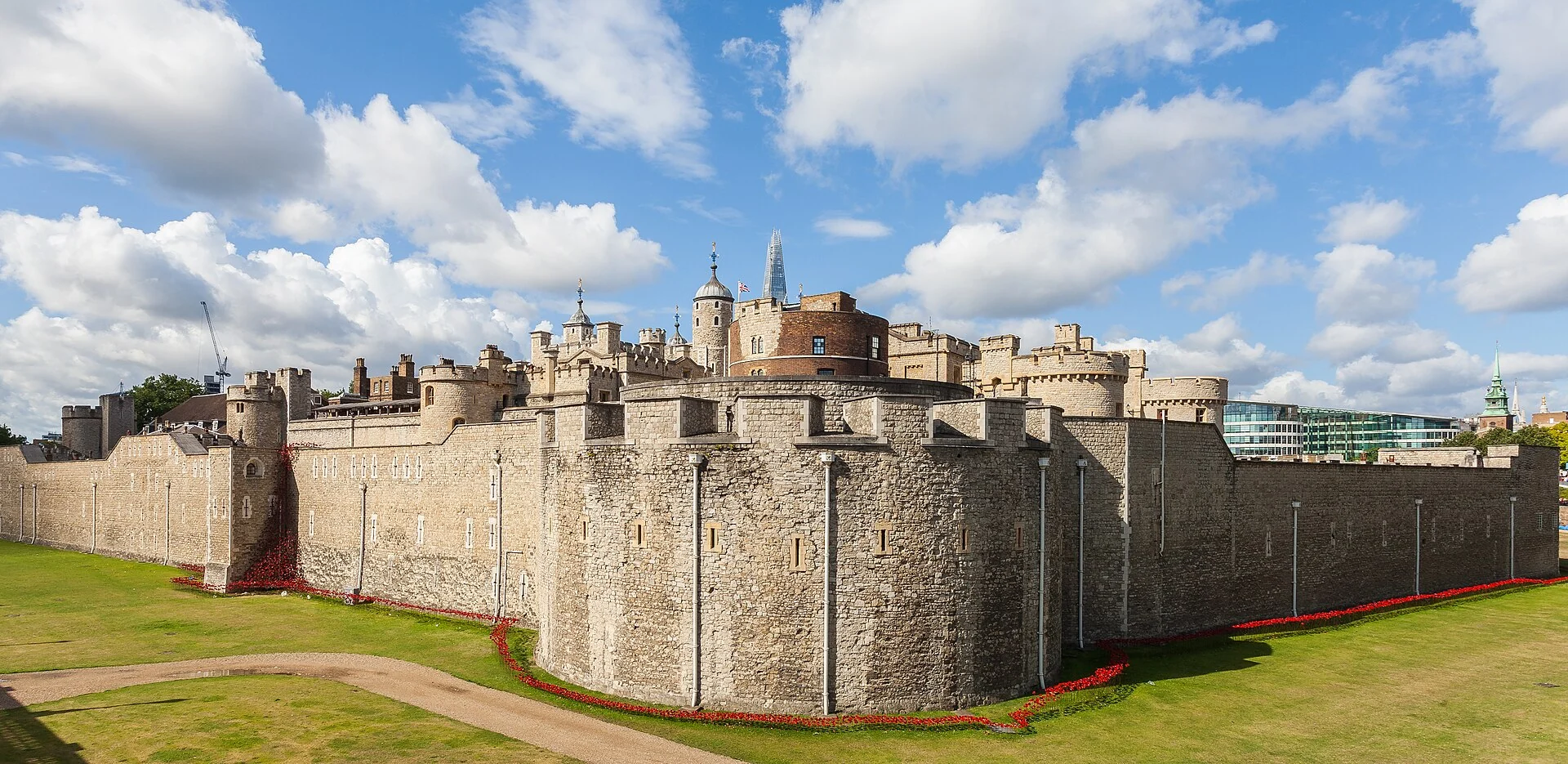
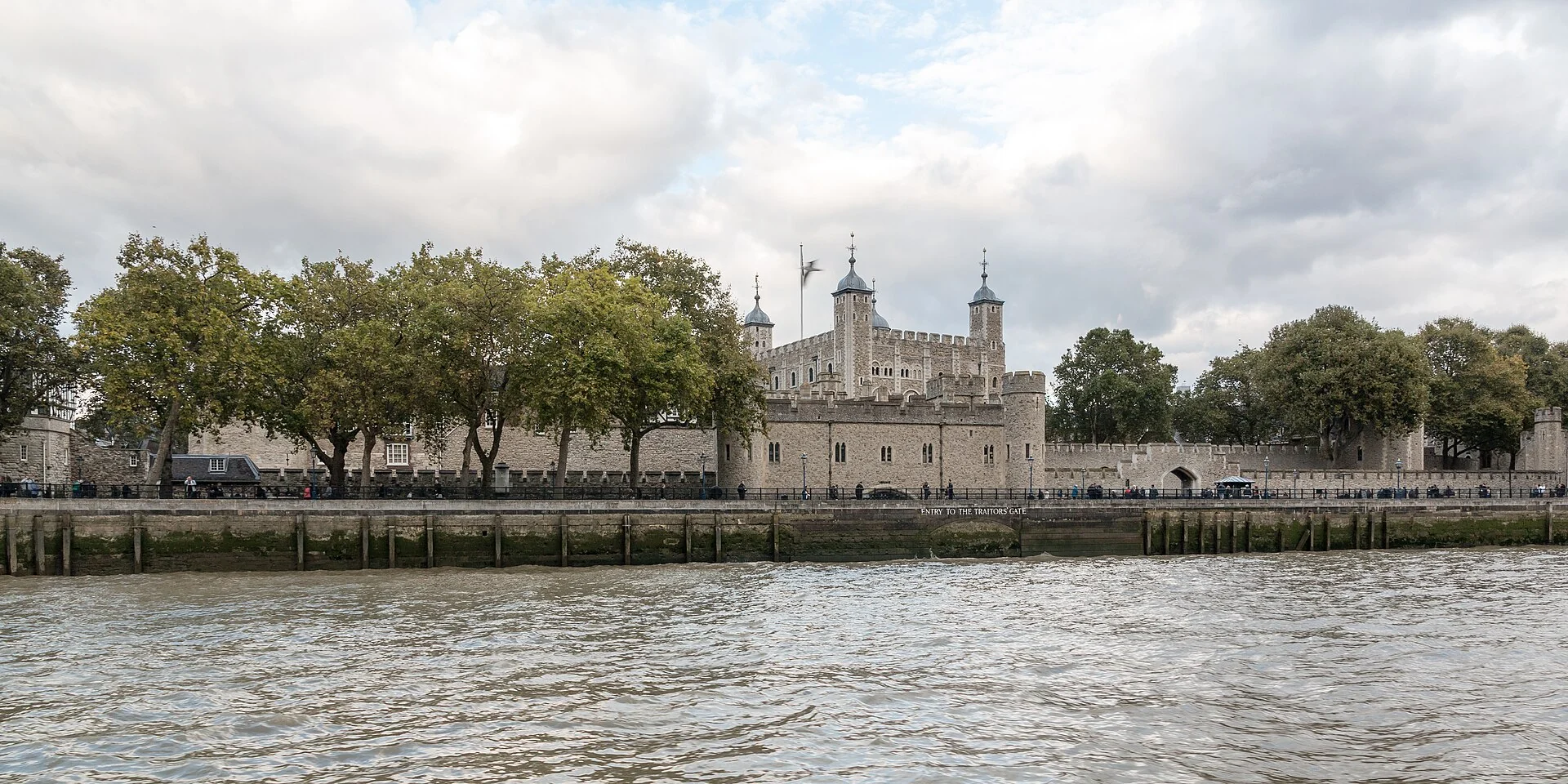
From the opposite bank it isn't one tower but several walls and several towers stacked together; the square, pale White Tower at the very centre rises a notch above everything around it.

On the north bank of the Thames, at the eastern edge of the city, separated from it by a stretch of open ground called Tower Hill.

PlaceLondon, United Kingdom
TypeCastle complex
SuitsThose who like reading architectural layers and tracing how one building changed use

That view from across the river

London, United Kingdom — Castle complex.

First take in the whole silhouette from the south bank of the river, then go in to find your way.

Over time it has been a royal palace, an armoury, a mint and a store for the Crown Jewels — its purpose has been reinvented again and again.

The walls were added in several stages; walk the circuit and you can feel which stretch is earlier and which is later.

White Tower front, pale stone walls, corner turrets and a row of small windows
The square tower with corner turrets
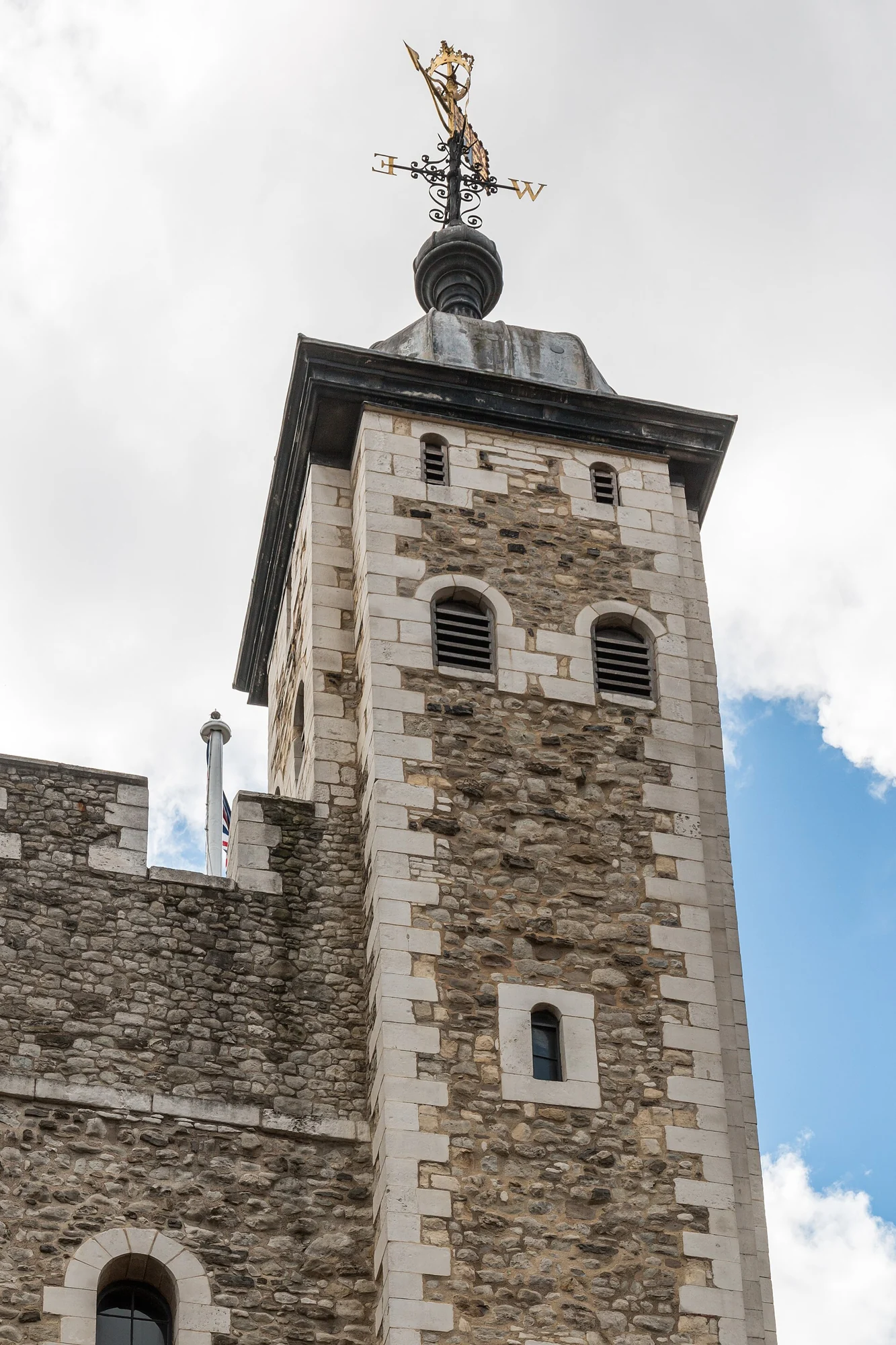
Looking up at a corner of the White Tower, stone body topped by a weathervane against blue sky
The weathervane on the tower top
Outer curtain wall with a round tower, a mown lawn at its foot

The square tower at the very centre

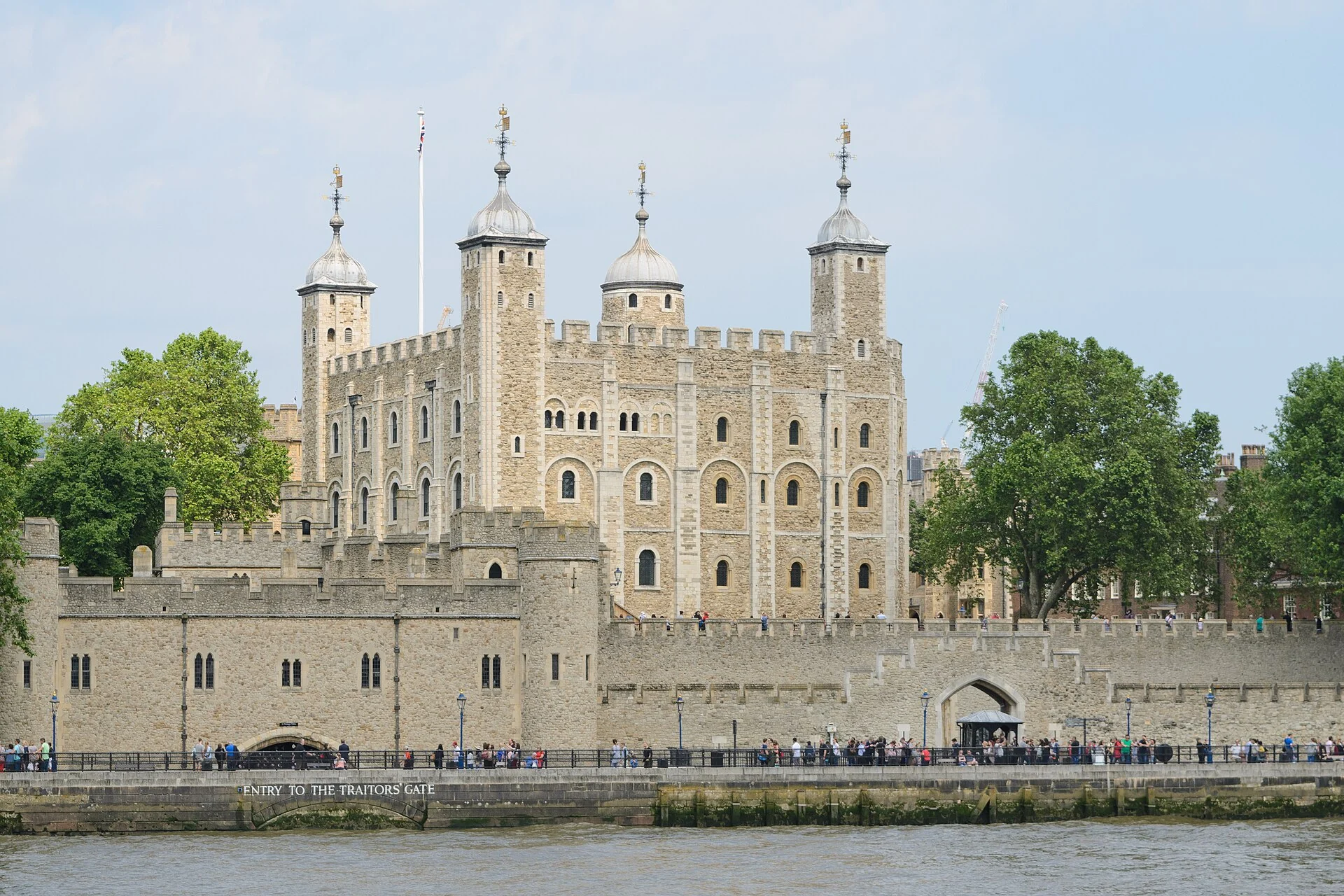
The White Tower was begun by William the Conqueror in 1078, built thick in pale stone with very small window openings. It was not liked at first, read as a mark pressed onto the city. Later the castle gained ring after ring outward, yet this tower stayed at the very centre.

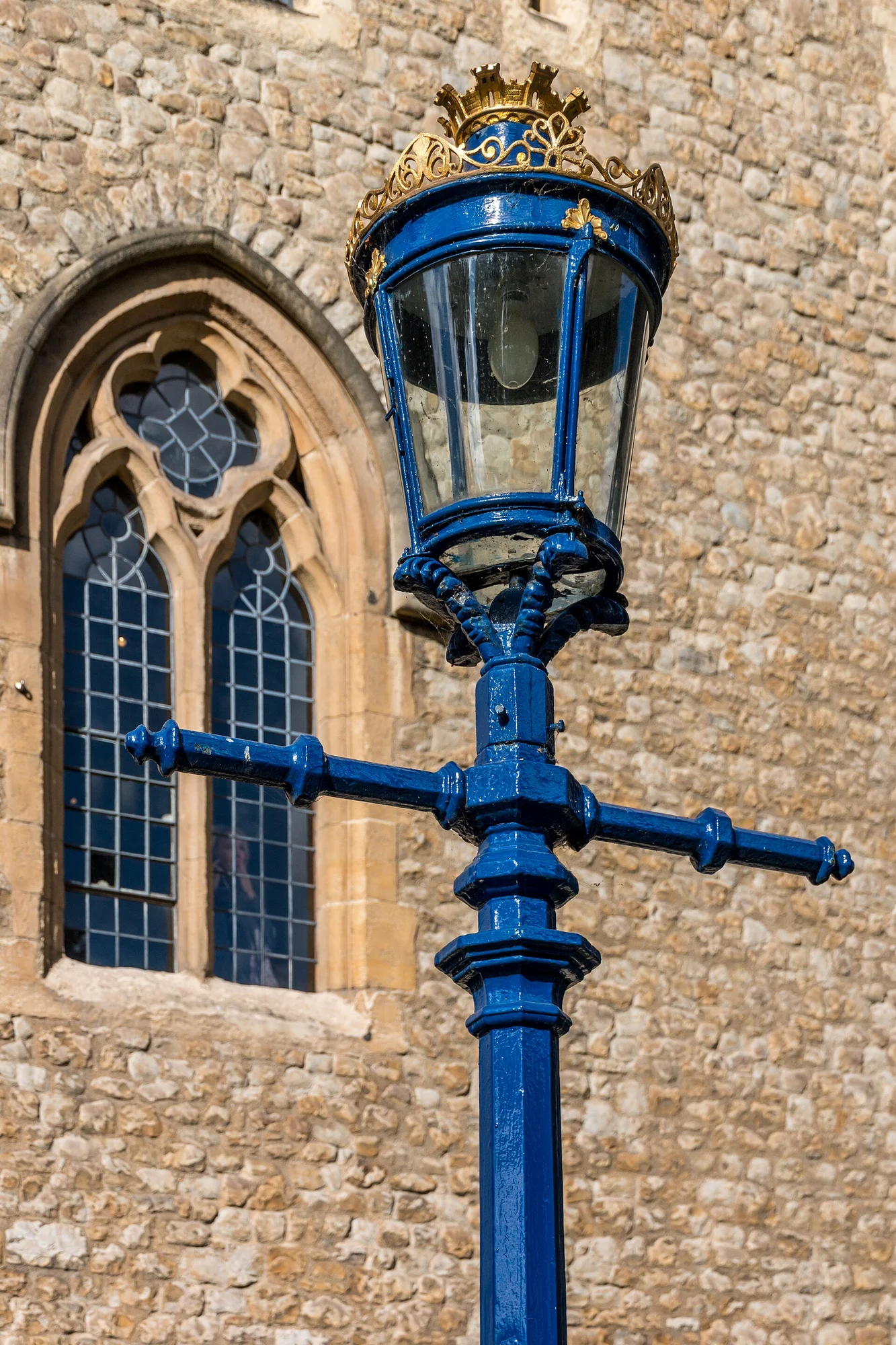
A blue-painted iron lamp post before a Gothic window, gold ornament at its top

Two walls and a moat

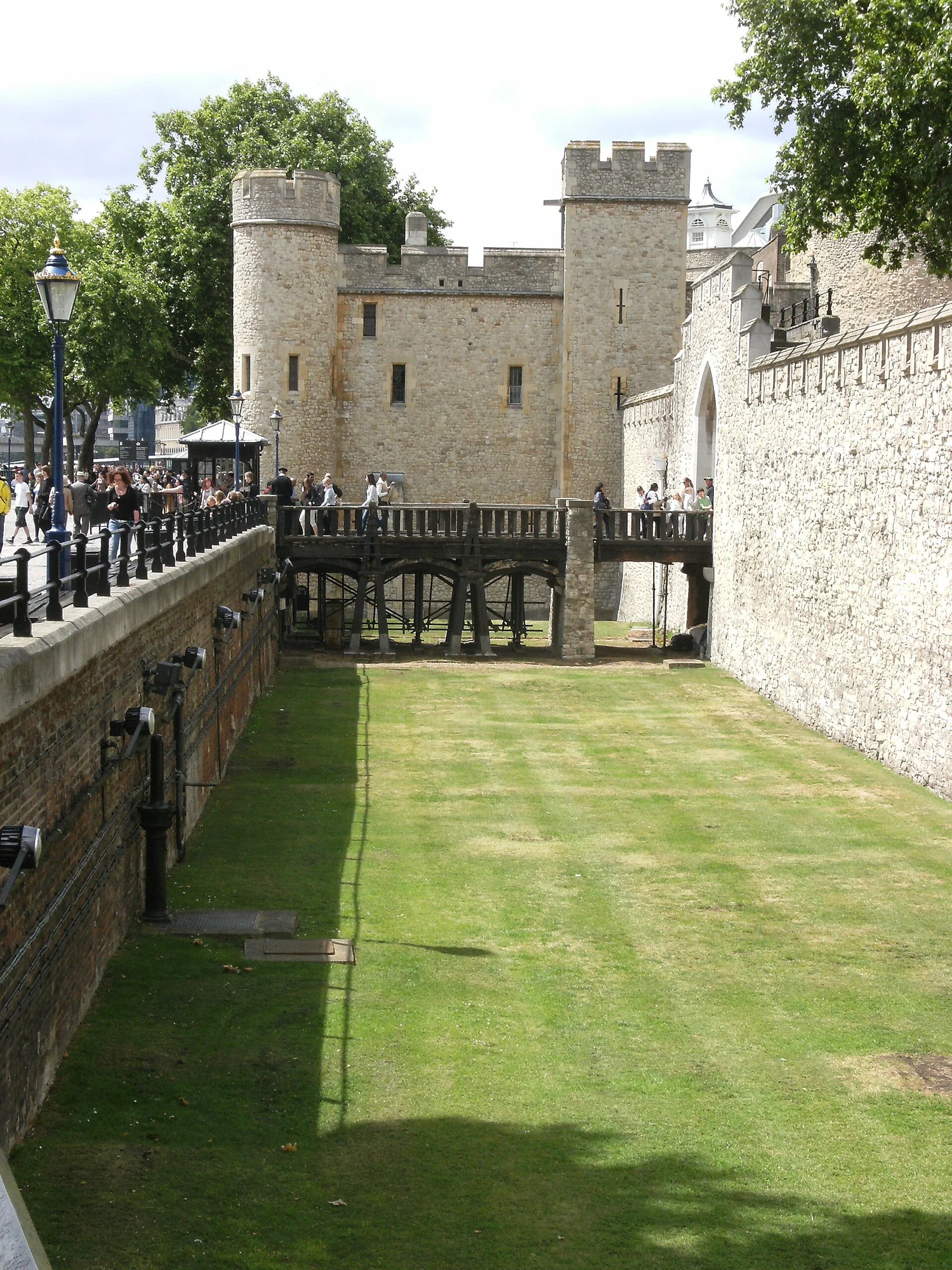
The whole is not a single building but several structures enclosed by two concentric defensive walls and a moat. Monarchs across the twelfth and thirteenth centuries expanded outward step by step, reaching today's layered scale. From the outer wall you can see the river; the inner wall shelters the White Tower within.

A long lawn between two walls, a square tower at the end

The small things under the eaves

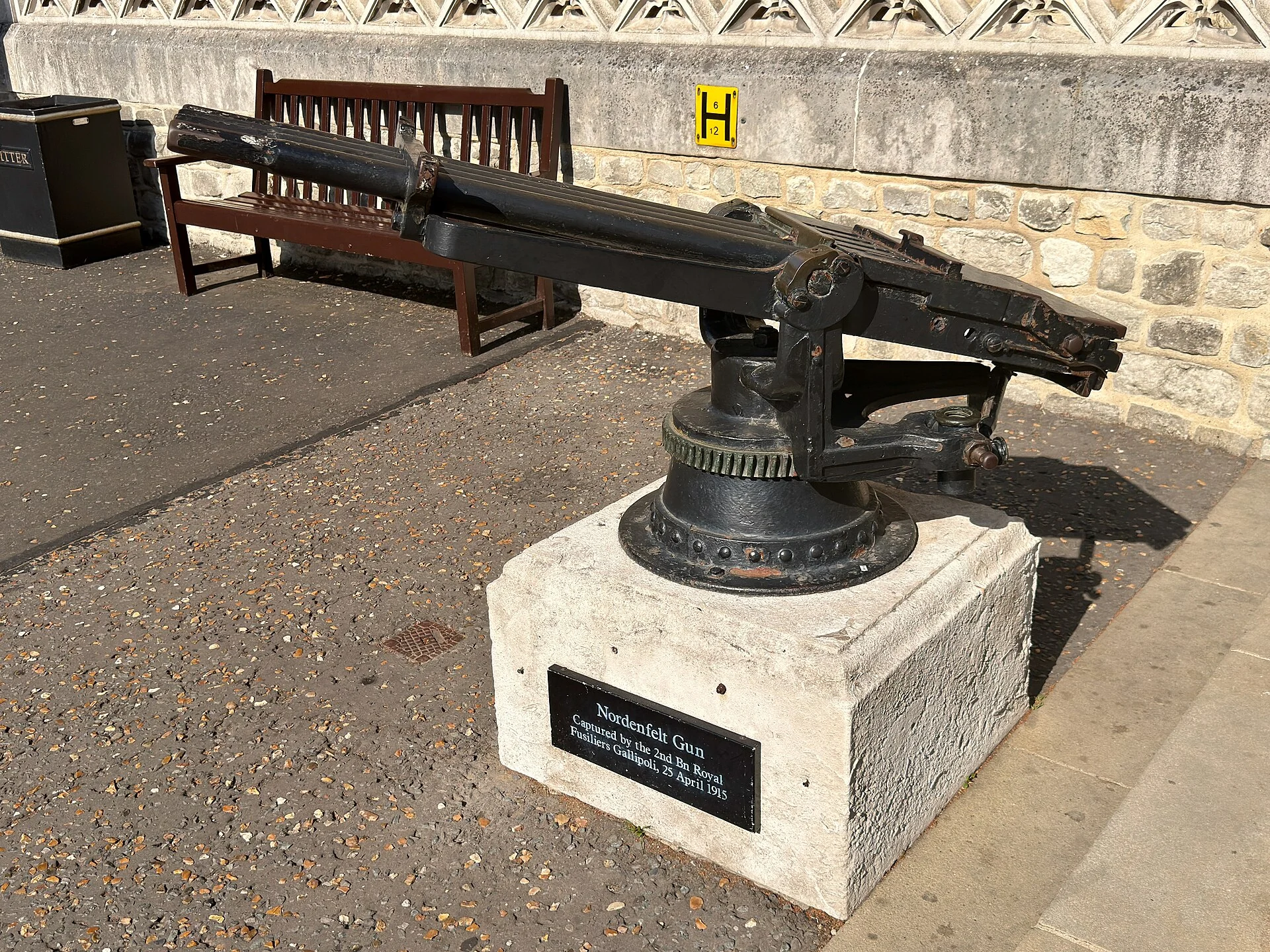
The weathervane on the tower, the blue iron lamp post before the window, and an old cannon at the wall foot are things you only see up close. The stone is washed by rain into uneven shades while the iron is painted, its colour jumping out. These details are a different way of seeing from the panorama across the river.

An old-style cannon mounted on a stone carriage, barrel pointing left
Route

A morning on the north bank of the Thames

Don't put it on a day you're catching a train. Stay in the city the night before, walk the north bank the next morning, and you can still take in the opposite bank in the afternoon.

From one tower to a whole spread

At the end of the year of the Norman Conquest, work began on this riverside. The name that remains is the White Tower that William had built in 1078 — square, thick-walled, small-windowed, with a small turret at each corner. It was both a residence and a mark pressed onto the city; the locals were not necessarily glad to see it.

Over the next hundred-odd years, Richard I, Henry III and Edward I kept expanding outward, turning the curtain into inner and outer rings with a moat beyond. So 'Tower of London' names a whole complex, not a single tower; the White Tower, ringed again and again, became the innermost room.

From across the river the nested layers read most clearly: the low outer wall by the water, the inner towers rising higher, and that pale square tower a notch above. Inside the grounds it's easy to lose your bearings, because each expansion turned the old boundary into an inner wall.
Uses reinvented again and again

The castle was besieged several times; whoever held it held the gateway in and out of the country. The crown used it as a residence early. From the early fourteenth century until Charles II in the seventeenth, monarchs stayed a few nights before coronation, then processed to Westminster Abbey.

The rest of the time it served as armoury, treasury, royal mint, public records office, and even housed a menagerie of exotic beasts; the Crown Jewels were kept here too. Late in the fifteenth century two princes were placed in the castle and then vanished — a story told and retold. The same wall changed identity with every century.

In the Tudor period the royals came less; the defences were repaired now and then, but once cannon appeared, high walls and thick towers slowly fell behind. Walking the walls today you see the layers of stone; the uses you can't hear need the information panels to recover.

The order of walking the walls

See the whole from the south bank, then cross. Inside, follow the outer ring first. Between the outer wall and the river lies a lawn; the round towers sit by the water, and rounding a corner reveals the inner row of towers — this stretch makes the 'two walls' plainest.

Further in, the pale stone face of the White Tower is close. The window openings are tiny, the wall foot thicker than the top, and each corner turret carries its own spire. The weathervane on top needs you to look up; the blue-painted iron lamp post stands before a Gothic window, its colour jumping out — a reward only close up.

An old cannon rests at the wall foot, with a plaque stating its origin. After these, sit a while on the lawn and you'll find the view from across the river and the ring of stone at your feet tell the same story from two sides.

A morning for the north bank

See the whole from the south bank first, then enter and walk from the outer ring to the inner, ending at the White Tower's masonry — reverse it and you lose a layer of depth.

Time needed

A full half-morning to cover the outer wall, the inner ring and the White Tower; allow extra time to continue along the river

Getting around

The grounds are mostly stone paths and steps, with narrow stairs up and down the walls; with children or slow walkers, shorten the route. Check current notes for step-free access

Best light

London light shifts fast; the panorama across the river reads better under thin cloud — check current conditions for the light you want

What's open

Individual towers and interior areas close in rotation; confirm which rooms are open in the current period

Talk through my trip idea

If you're planning your London days, tell me whether you mean to spend half a day or a full day, and whether anyone in your group walks slowly.

[email protected]

Read this page in Chinese

Discuss this journey