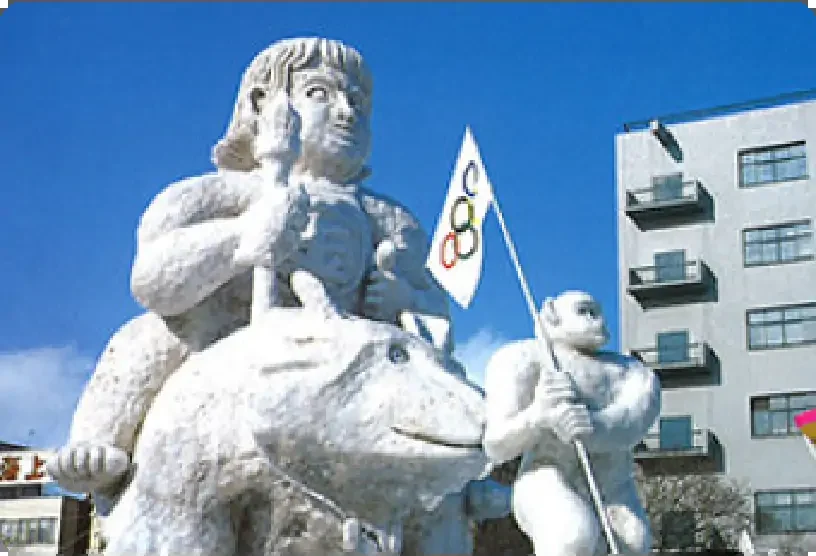
A huge snow statue under blue sky, people small beneath it

Sapporo, Japan

Sapporo Snow FestivalSnow carried into the city

A huge snow statue stands under a blue sky, the people beneath it shrunk small.

The main ground is central Sapporo's Odori Park; the Susukino and Tsudome sites sit at the north and south ends.

PlaceSapporo, Japan
TypeWinter snow-sculpture festival
SuitsThose staying two nights to see the statues by day and night

The street built from snow

Sapporo, Japan — Winter snow-sculpture festival.

Snow is hauled into the city.

The official guidebook says the snow statues in Odori Park ran across twelve blocks. Some replicate famous buildings almost at full size, needing scaffolds and truckloads of snow to stand; the medium and smaller ones beside them are made by Sapporo residents and overseas teams, hand by hand. Up close you see the snow surface cut and pressed, with tool marks left behind.

The teacher who started this with students said a line the official guidebook keeps: snow on the ground needn't be only a nuisance — treat it as a friend and you find fun and possibility in it. The festival grew to seven days; by day you see the outlines, after dark the lights change them, so one statue can be walked twice.
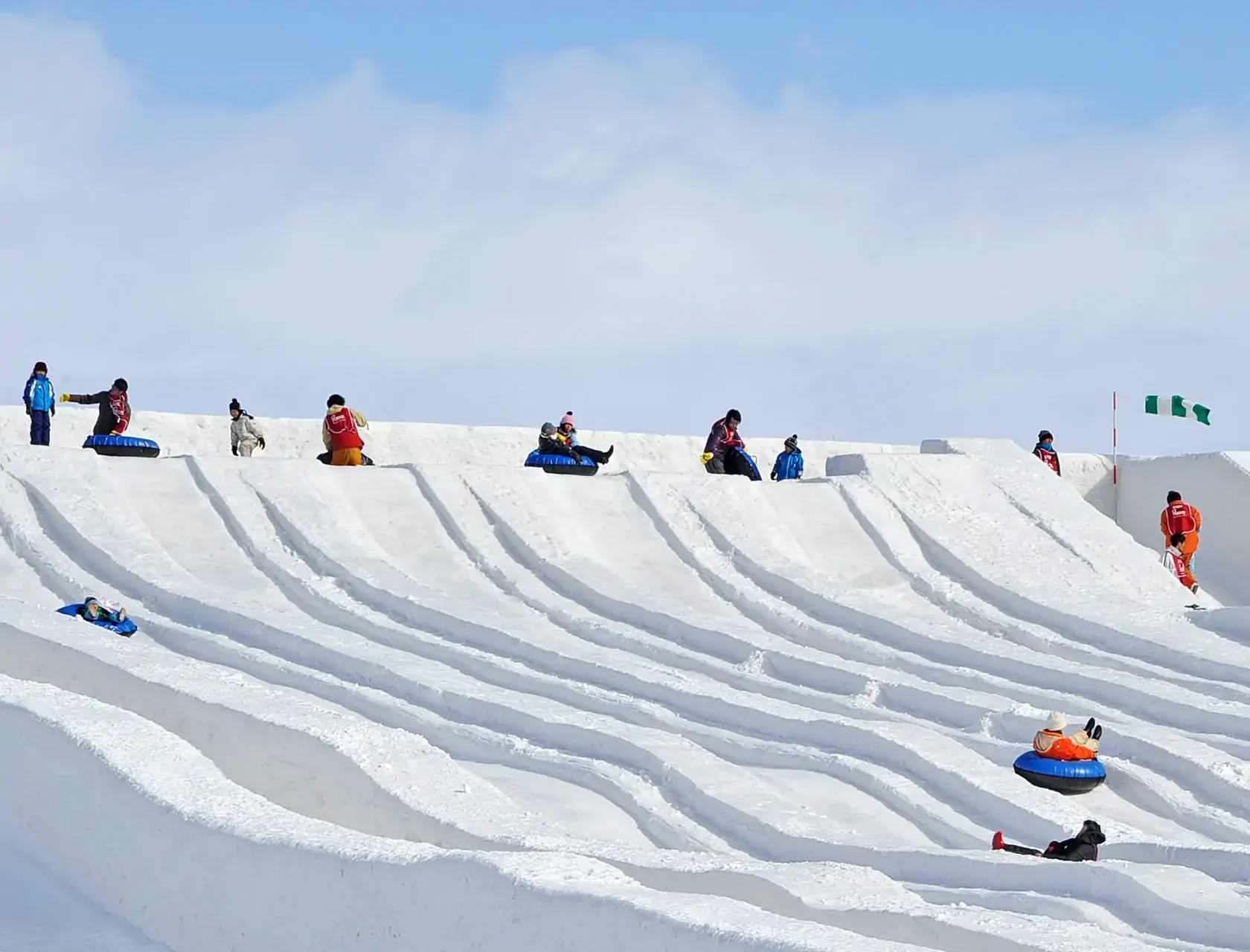
People walking across a snow slope cut into stripes
A snow slope cut into stripes
Snow built into steps, someone walking up
Stairs built entirely from packed snow
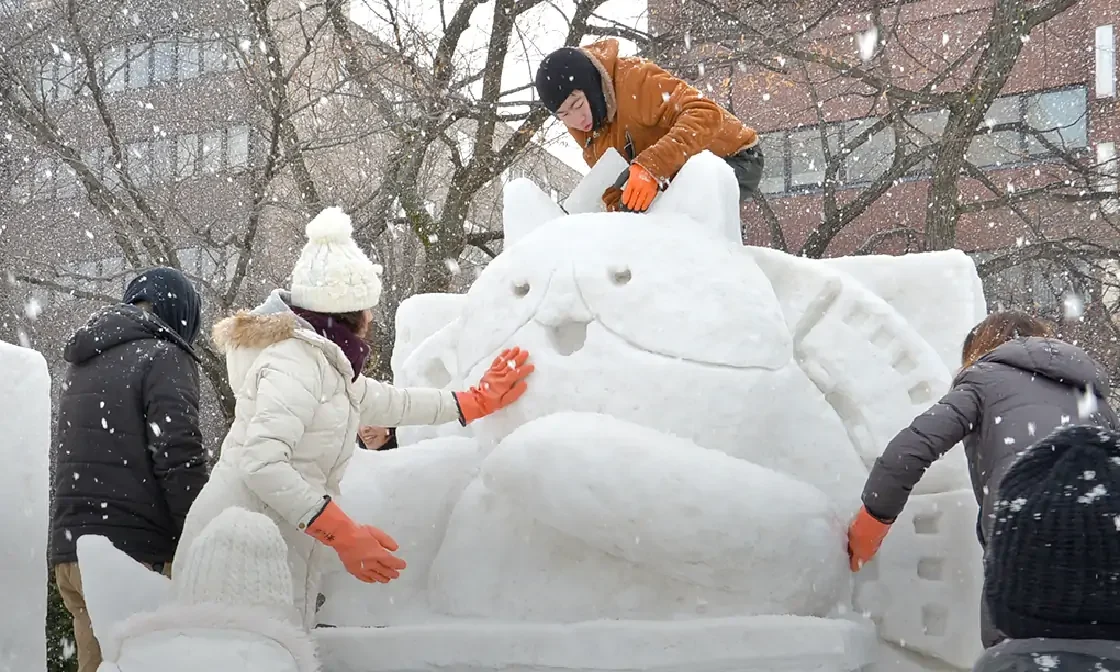
Several people refining the surface of an unfinished snow statue

Snow trucked in load by load

The large statues aren't piled where they stand. Snow is loaded from surrounding areas and trucked into the city; compacted blocks are stacked layer by layer, then shaped with tools. Scaffolds go up first, and workers carve from the top down. On making days you pass half-finished works and unremoved planks.

Golden ornament and fine patterns carved on a snow statue

Patterns cut out

Up close, a snow statue's eaves, reliefs and folds are made by subtraction, the thin edges letting light through. The government's public-relations notes two methods: carving hard snow directly, or stacking snow bricks then trimming. Under light, the cuts at different depths show layers.

A grey-white snow statue modelled on a stone building's relief

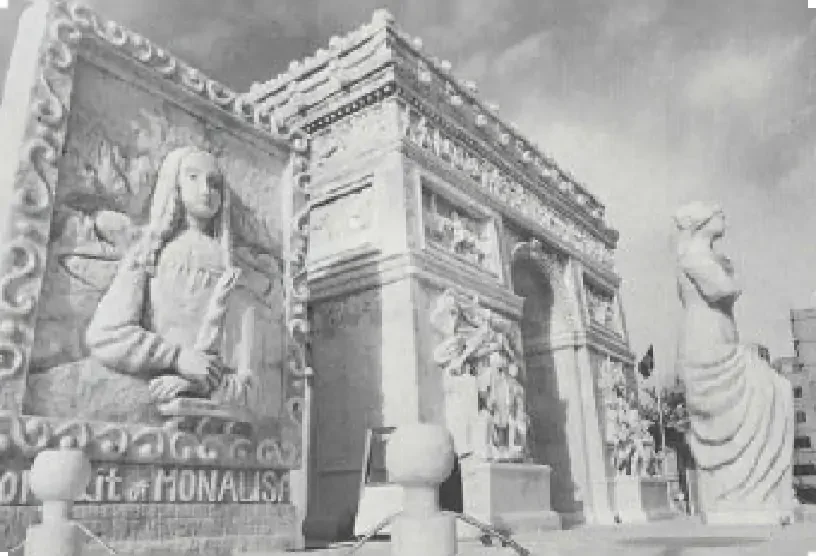
A building, replicated

The official site says the festival changes theme each year, often including near-full-size replicas of famous buildings. Statues, arches and capitals are carved as on the original; snow's white flattens the stone's colour, leaving only the shape in the street, with long shadows on clear days.

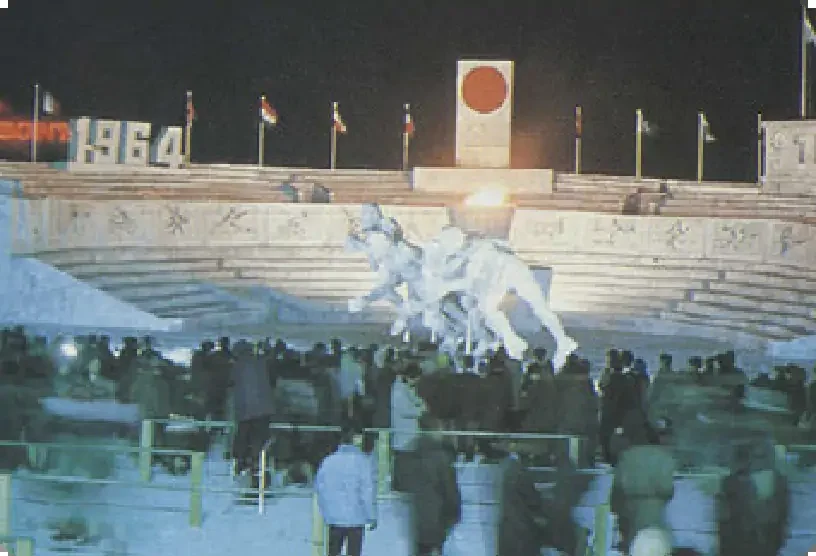
Crowds gathering before a huge snow statue lit at night
Route

Those days kept for Sapporo

Split Odori into a daytime and a night pass, with Susukino after one of those evenings; don't pile all three sites into one day.

Six snow statues and a snow fight

In the winter of 1950, students from several Sapporo middle schools raised six snow statues in a corner of Odori Park. The day also had a mass dance, dog sledding, a snowball fight and a capture-the-flag snow battle; the official site says over fifty thousand came. The park then held snow cleared by residents, and the students made things from it, purely for play.

Three years later came the first fifteen-metre snow statue, called The Ascension. In 1955 the Self-Defense Force took over the large statues, bringing engineering and snow-hauling skill, and the size climbed; the 10th edition in 1959 mobilised 2,500 people and first hit TV and newspapers, and the next year visitors from Honshu grew.

Makomanai site became the second venue in 1965, running forty years before closing in 2005; Satoland came in between, and Tsudome took over in 2009. The second venue's name changed a few times but always kept the play-in-snow, bring-the-kids corner.

1974: short on oil, long on foreign teams

Sapporo hosted the 1972 Winter Olympics, and the festival was seen overseas. That year a twenty-five-metre Gulliver stood; the official site says media filming the Olympics caught it too, and it became often mentioned.

In 1974 the oil crisis left trucks short of fuel, and there wasn't enough snow to fill the statues. The official site says that year they packed iron drums into the bases for volume; with less frozen mass, the statues melted faster than usual, and organisers worried they wouldn't last to closing. That same year the international snow statue contest began, with teams from six countries building together for the first time.

Since then, teams have come from Shenyang, Alberta, Munich, Sydney, Portland — places with ties to Sapporo. In 1983 Susukino opened as the third venue, ice sculptures under neon a separate line; in 1987 two days were added to make seven; in 2013 projection was added to the statues — moving, sound, colour.

Three venues, three jobs

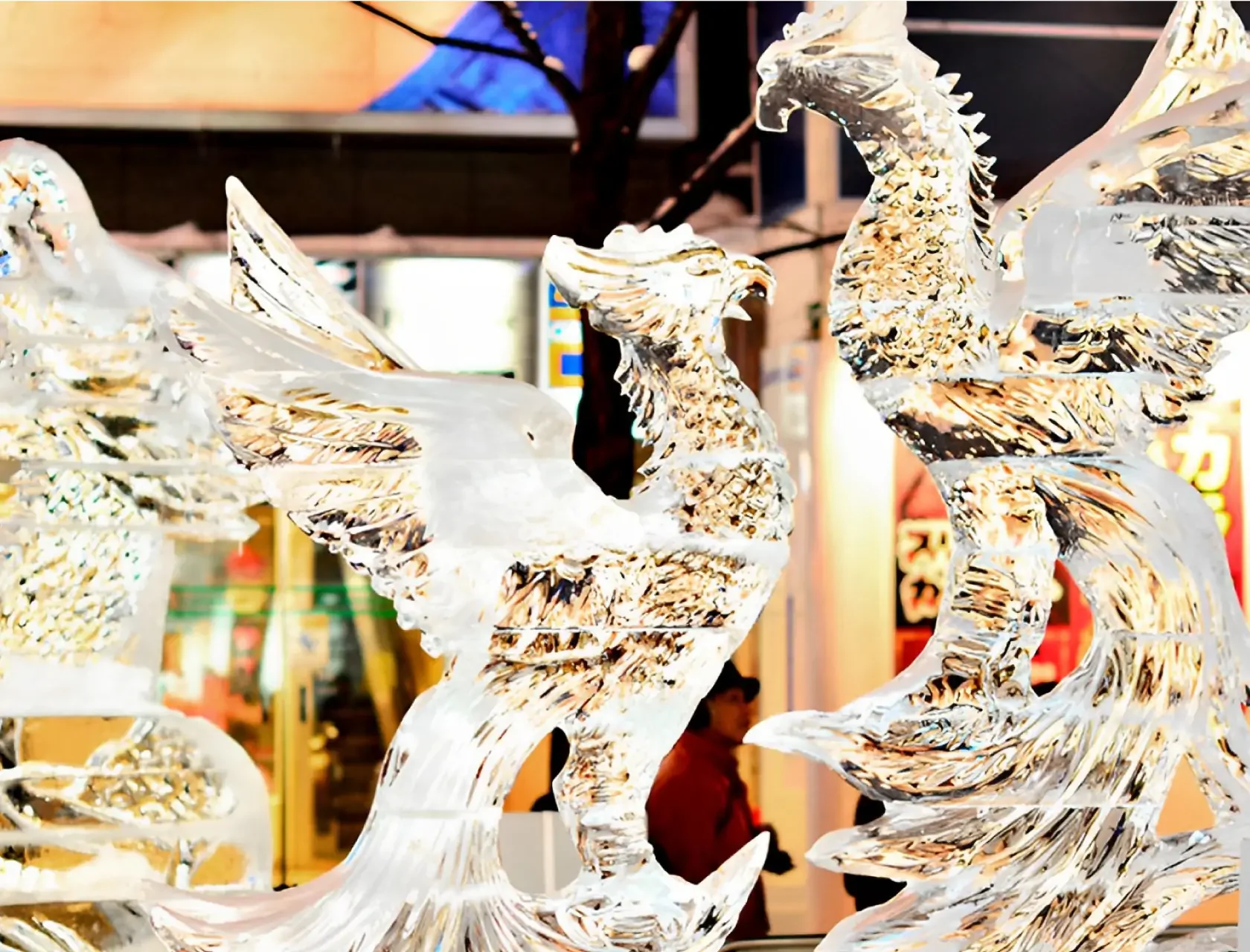
Odori's twelve blocks are the main site, with large, medium and citizen-made small statues in a row — shapes by day, lit after dark. Susukino is close by, with ice sculptures among dining and neon, the transparent kind a different craft from the snow statues.

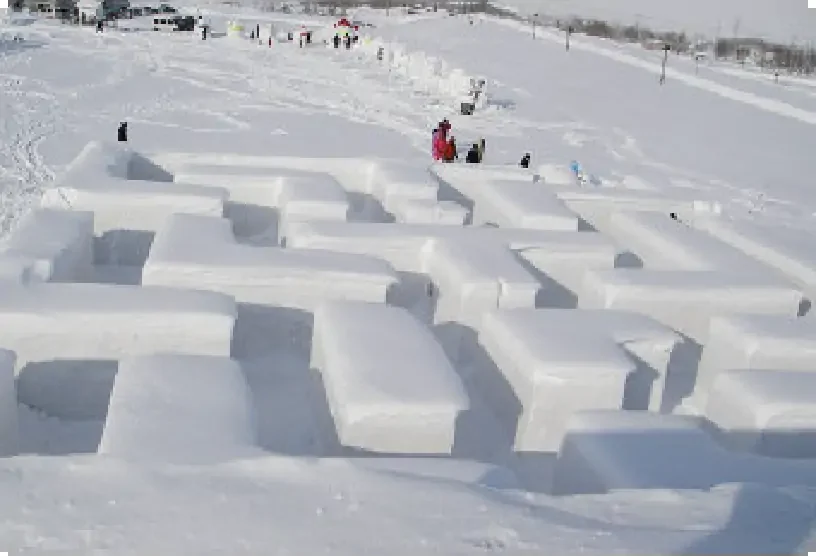
Tsudome is ten kilometres out, written by the official site as a snow park with indoor and outdoor areas, where hands-on things like snow slides and mazes are placed. Doing all three in a day means two train changes; cramming them in, you'll mostly remember the rushing.

The official site also covers slip-resistant walking on snow; Sapporo's winter ice is routine. Counting a hat, anti-slip soles and a place to warm up indoors matters more than fitting in one more statue.

Fit these seven days into Sapporo

Odori for the snow statues by day and lit by night; Susukino after dinner; Tsudome as a separate half-day — the three sites need train changes between them.

Dates

Every year around early February, seven days running; exact dates and site notices follow the official site

Duration

Seven days running; snow statues by day, lit at night; each site's hours follow the current notice

Tickets

Odori and Susukino snow and ice sculptures along the street are directly viewable; check with the provider for any sessions needing separate arrangement

Suitability

Mostly outdoor walking on snow and ice; the official site covers slip-resistant walking. With children or strollers, pick the quieter daytime hours and put Tsudome in the middle as a rest stop; check current restrictions

Talk through my trip idea

If you're planning a few days in Sapporo, tell me who's coming and which sites you'd like to see.

[email protected]

Read this page in Chinese

Discuss this journey