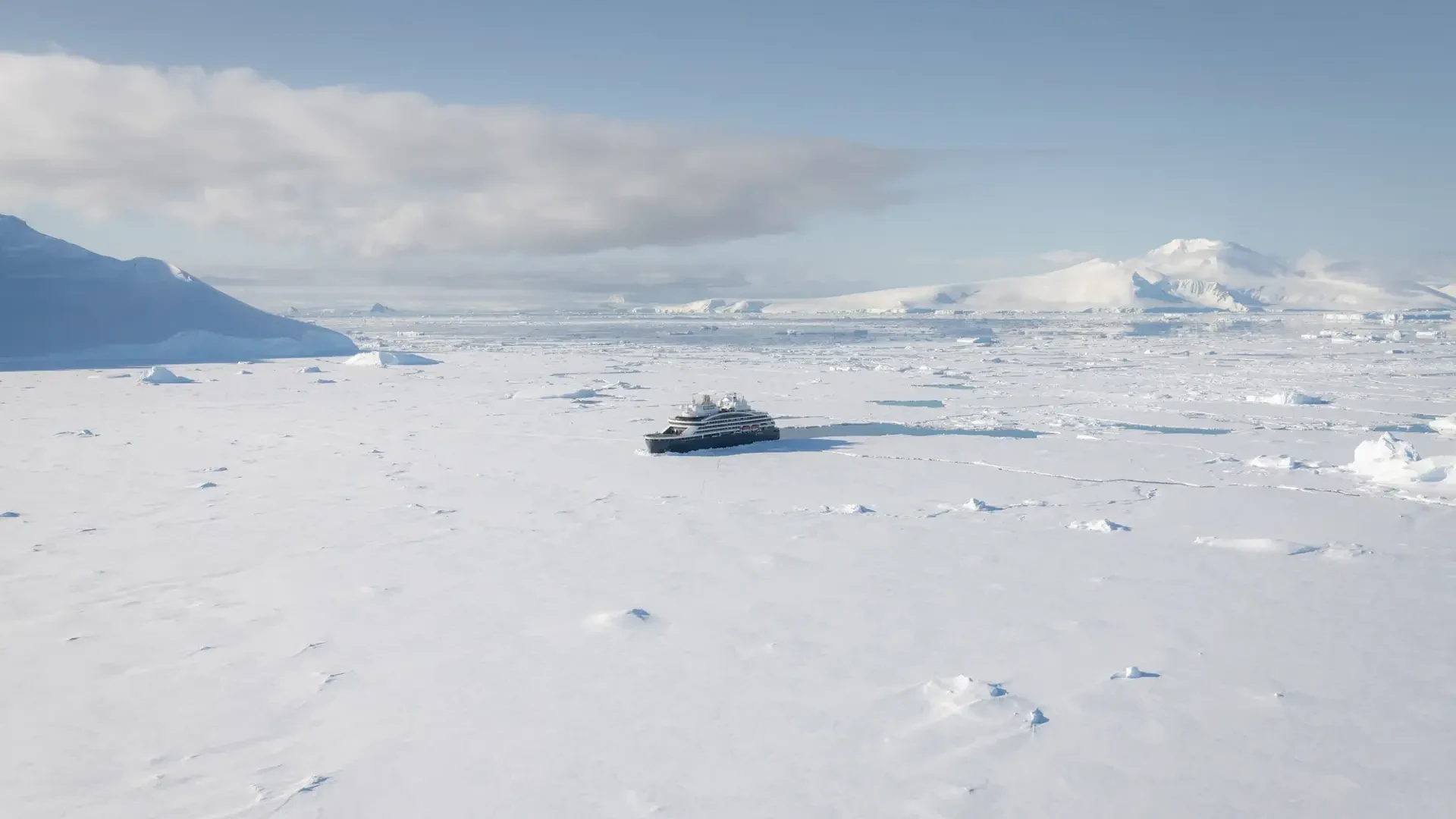
An expedition ship sitting between dark open water and a pale glacier face, sky low and overcast.

Svalbard to the Geographic North Pole

PONANT Geographic North PoleA PC2 hull, hybrid power, and a course set by ice

Le Commandant Charcot leaves the high Arctic port of Longyearbyen and pushes into the pack ice toward the Geographic North Pole. Polar specialists, hours on deck and long days on board fill the voyage. Whether the ship reaches ninety degrees north is decided by conditions on the ice rather than by the schedule.

Departures usually run from Longyearbyen, or connect through a charter flight from Paris, then cross the Arctic Ocean to the pole. Sailings cluster in the high-latitude summer.

PlaceSvalbard, Norway
TypeIcebreaker voyage
SuitsPolar and photography travellers
Stay15-16 days

Into the Arctic Ocean, with the course set by ice

Svalbard to the Geographic North Pole — Icebreaker expedition voyage.

These voyages go north on an icebreaker, and the pack ice, the midnight sun and the shifting surface of the ocean are the scenery. The bridge decides direction as conditions change, which means the sailing is the itinerary. Lectures, deck time and the ship's own progress through ice fill most of the trip.

The destination is exact and the journey is still an expedition. Even with ninety degrees north on the plan, expect the route to change, and expect to spend long stretches sailing, listening to talks and watching from the deck rather than landing anywhere. Prepare for that rather than for a fixed programme of shore calls, because on this water the ice writes the timetable.

This is for polar travellers, icebreaker enthusiasts, photographers and anyone who wants one hard-won journey rather than a comfortable loop. Reaching the pole depends on ice, so you have to accept a moving route and carry high-grade insurance. Come for the transit itself, not for a gentle introduction to the Arctic.
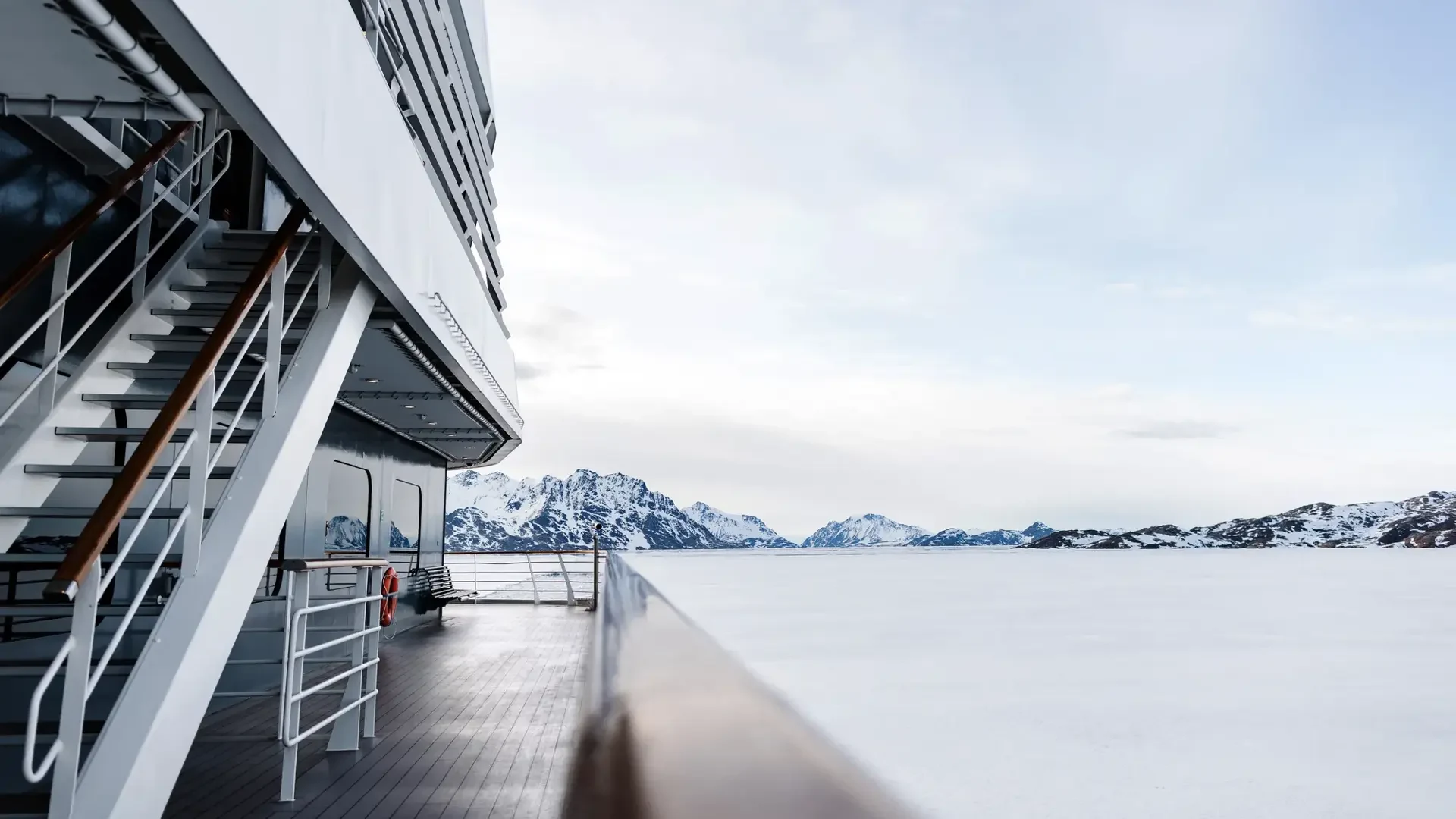
A modern ship's open deck and outside walkway running along the rail, broken ice visible beyond.
An open deck running along the edge of the ice
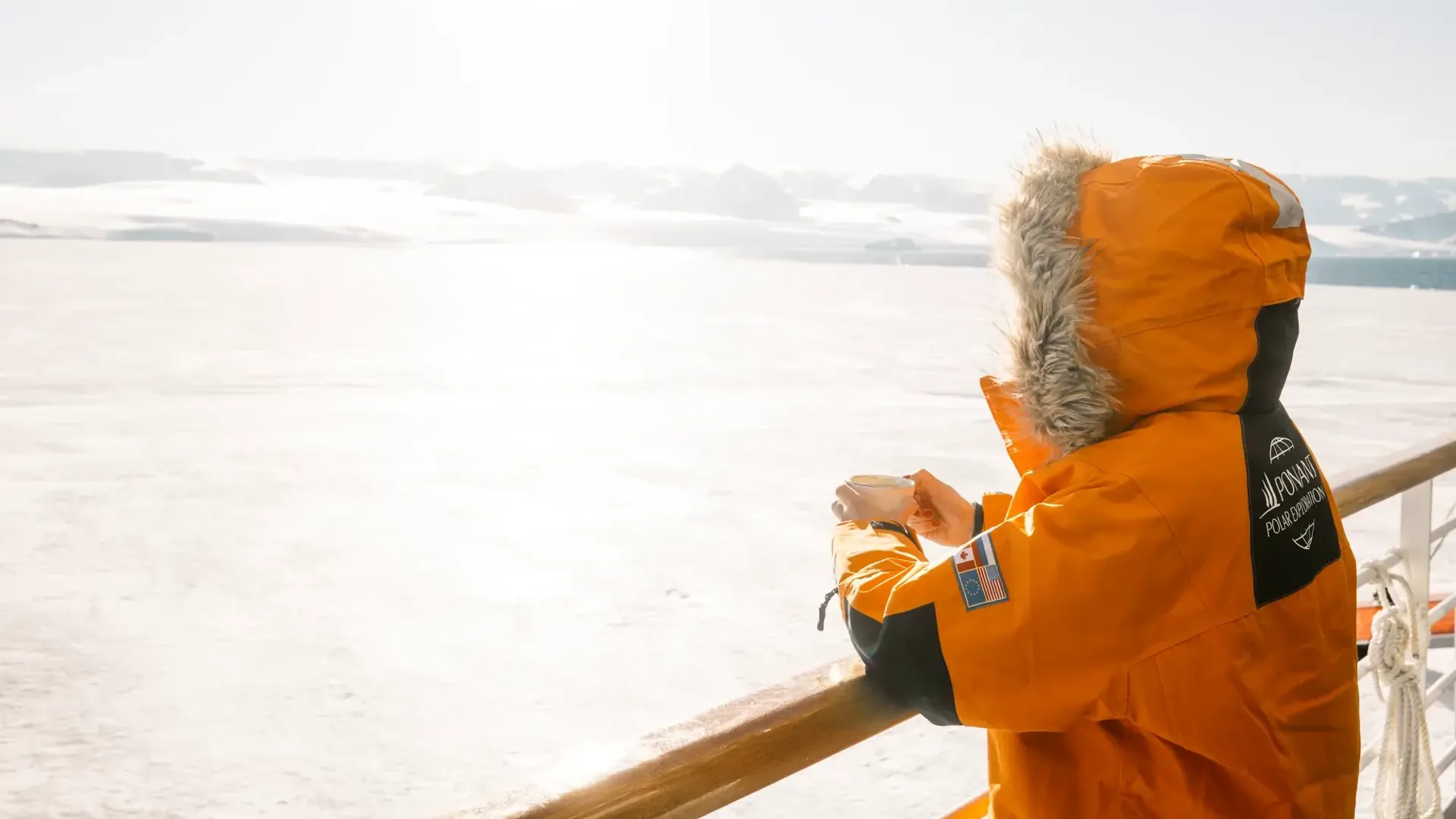
Several passengers in orange hooded parkas standing at a rail, looking out over a white plain.
Orange parkas on the rail, looking at white
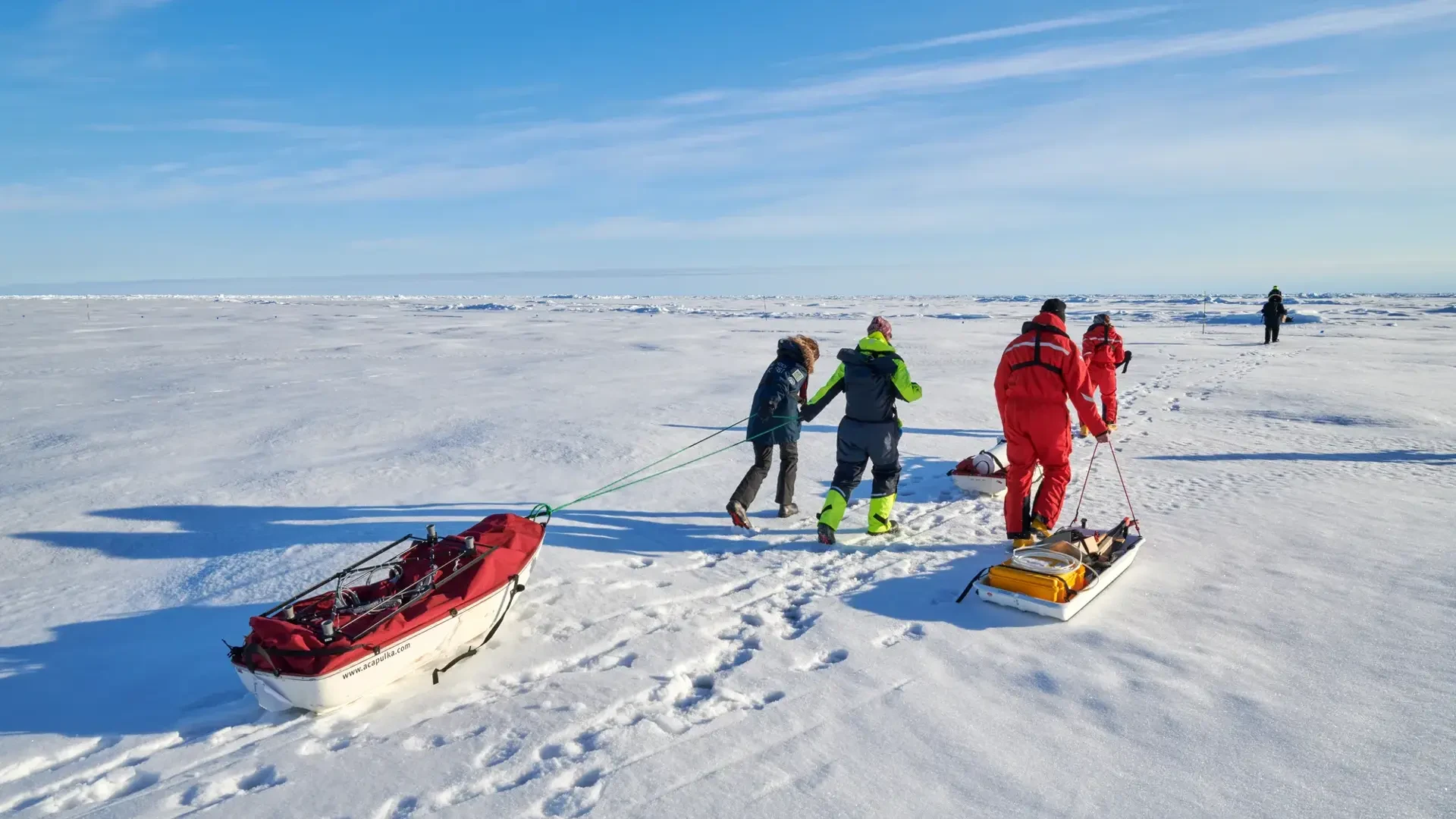
Two travellers bent over a red sled on snow, boots and drag tracks visible around them.

Through the Arctic Ocean in an icebreaker

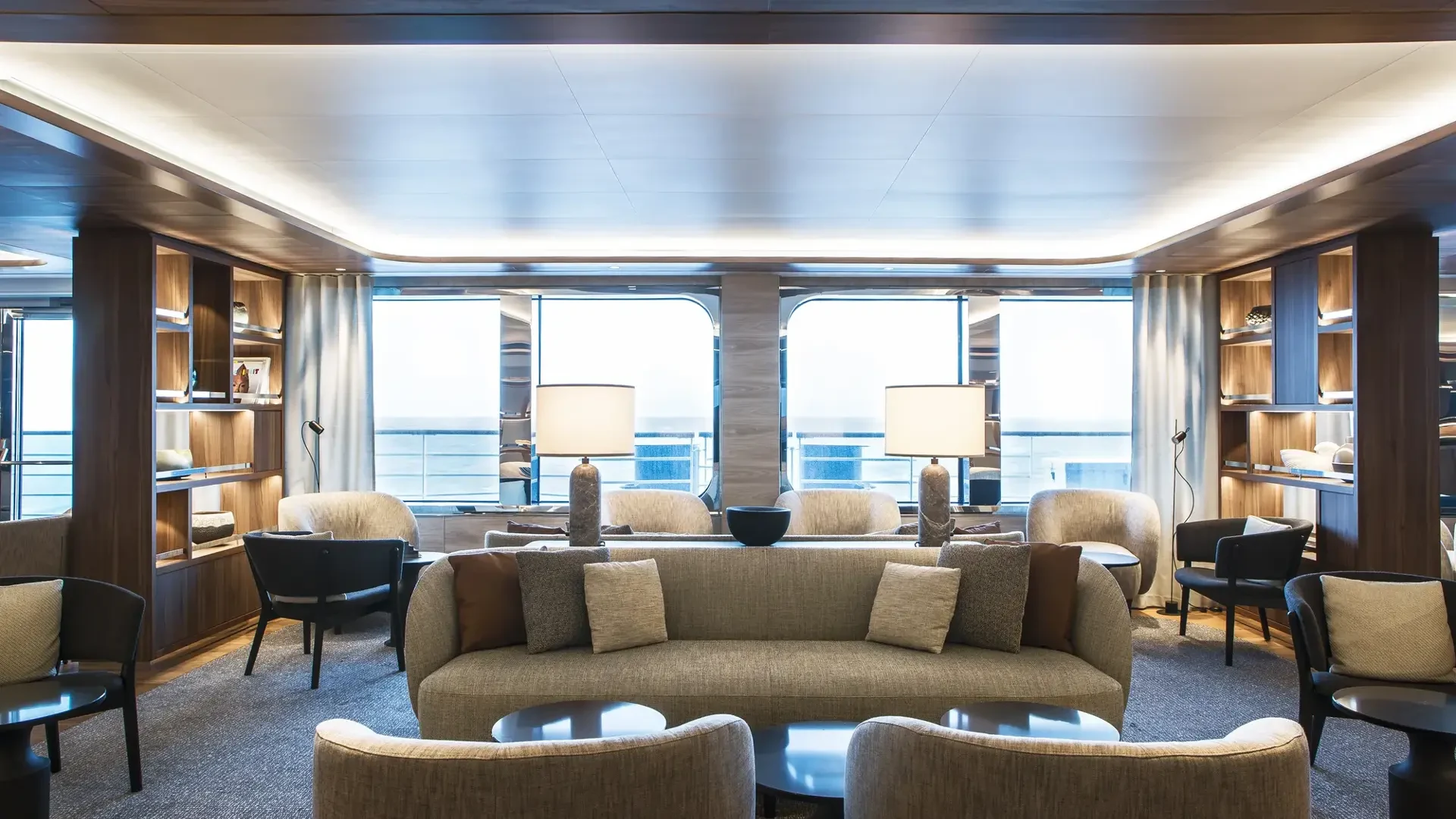
The hull is PC2 class and the propulsion is hybrid, which is what lets the ship work into thick sea ice rather than around it. Inside are lounges, dining rooms and cabins with windows onto that ice. The transit is not dead time between landings; it is most of what the voyage consists of.

Sofas and low tables in a ship's lounge, floor-to-ceiling glass showing ice and grey light.

Standing at ninety degrees north

When ice and weather allow, the ship can hold a landing or an ice activity at the Geographic North Pole itself. That is a permission granted by the day, not a scheduled call, and the captain makes it. Treat the map's endpoint as an aim rather than a promise, and the voyage stays honest.

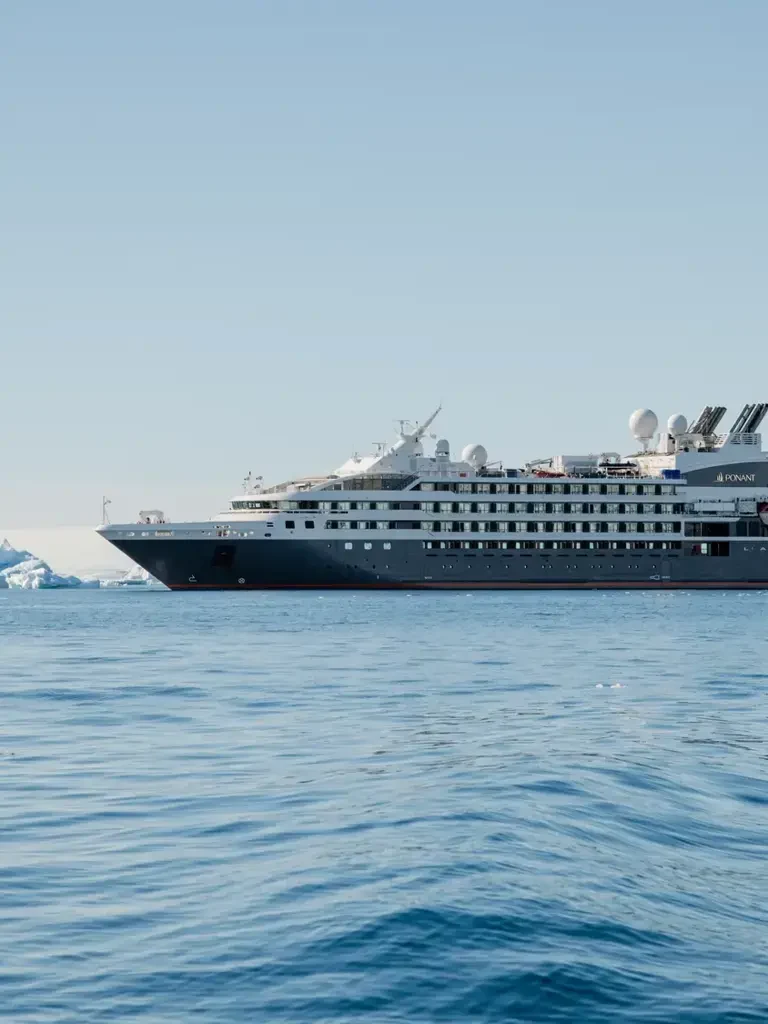
A white expedition cruise ship photographed alone on flat blue sea under a wide sky.

Polar specialists reading the ice

Birds, walrus, polar bears and the science of the ice itself make up the daily lectures and the hours spent on deck. Wildlife appears wherever the ship happens to be, so the specialists work with whatever the day brings. Go for the explanation as much as for the sighting.

A bar counter with blue cocktails in tall glasses, a shaker and bar tools arranged beside them.
Route

Two weeks, with buffer nights at both ends

Allow about two weeks for the whole thing; the sailing is only part of it. A buffer night in Oslo or Paris before the charter into Svalbard protects the connection, and another afterwards protects the flight home. The main voyage itself runs around fifteen to sixteen days, depending on the year's product.

Getting to Longyearbyen and onto the ship

Most of the difficulty in this trip sits on land, in the charter flights and in the weather days either side of the sailing.

Stay

The main voyage runs about fifteen to sixteen days depending on the year's product, and the full trip needs roughly two weeks.

Getting there

You reach Longyearbyen in Svalbard first, then board Le Commandant Charcot through the official charter and port procedure. Leave weather buffer on both sides.

Season

Sailings run mainly from July to September, during the midnight sun and the sea-ice season, and departure dates cluster in that window.

Watch out

Reaching the Geographic North Pole depends on ice. You must accept route changes and arrange high-grade insurance before you travel.

Plan this into a journey

Tell us your travel window and whether you can take a moving route. We will match the departure and the buffer nights around it.

[email protected]

Read this page in Chinese

Discuss this journey