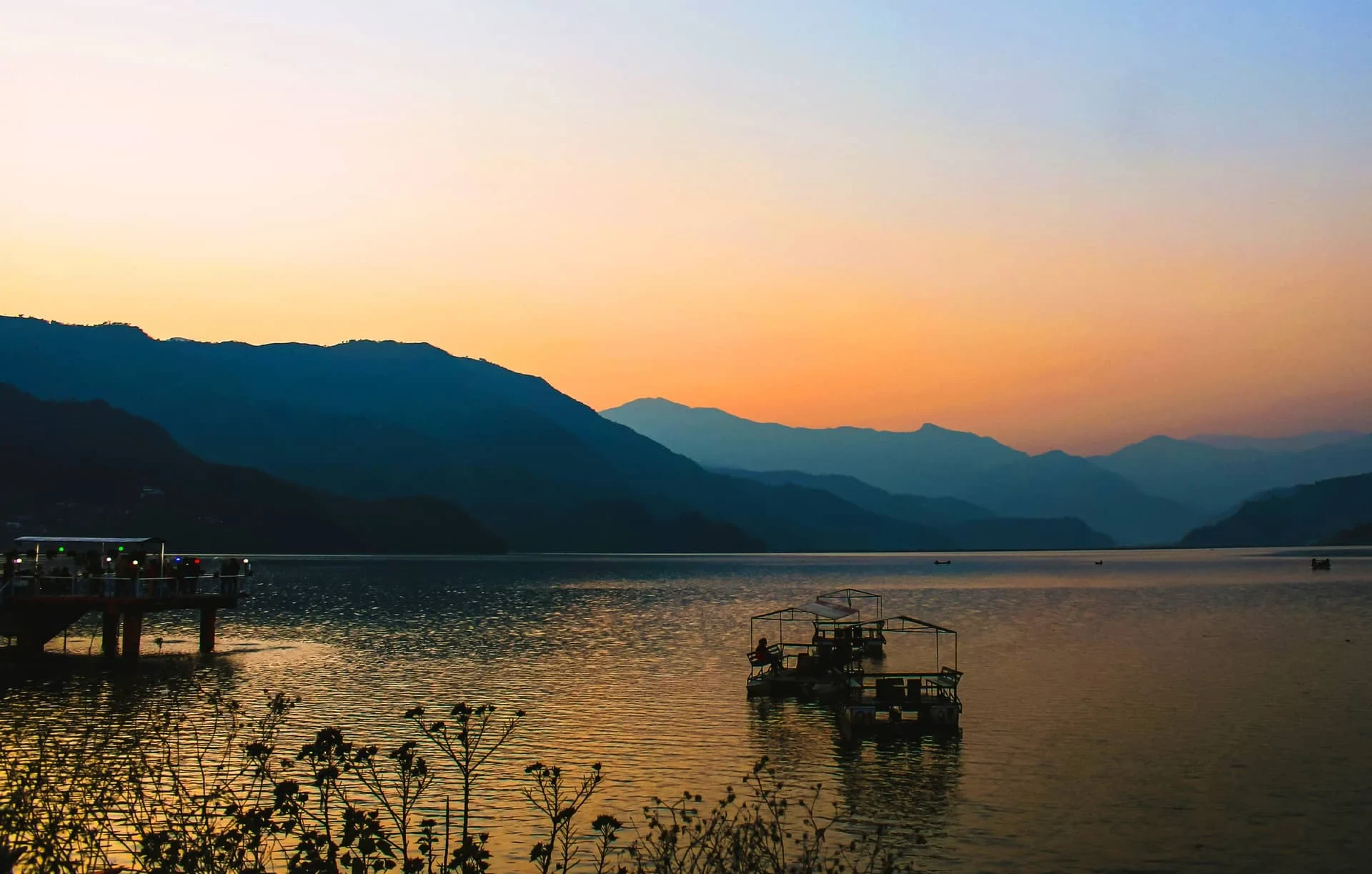
Several white tents pitched on grass beside a still mountain lake, dark ridgelines rising behind under evening light

Mongolia: steppe, Gobi, Altai

Nomadic ExpeditionsCamps, horses and charters run by a local team

Mongolia is not one trip. A fifteen-day Grand Traverse crosses mountain, steppe and desert and spends time in each. Horseback routes go into the northern hills. The winter camel festival puts the whole journey in the Gobi. Theme and season decide the camps and the transport before anything else does.

A Mongolian team on the ground connects the Gobi, the steppe, the Altai and nomadic families using four-wheel drives, horses, charters and its own camps. International flights land at Ulaanbaatar first.

PlaceMongolia
TypeExpedition travel
SuitsNomadic culture, photography
Stay8-14 nights

A traverse, a ride or a winter festival

Mongolia: steppe, Gobi, Altai — Mongolia expedition specialist.

The Mongolia programmes cover different regions and different seasons rather than one itinerary with variations bolted on. The Grand Traverse of Mongolia takes fifteen days across several landscapes. A horseback route and the winter Thousand Camel Festival each carry a tighter, more specific theme, and each asks for its own kind of preparation.

A trip here is not automatically a steppe camp holiday. Mountain falconry culture, days of continuous riding, or a winter festival in the Gobi ask for different fitness, different transport and different accommodation. Deciding which of those you want is what determines the route, not the other way round.

It suits travellers drawn to steppe and desert, to nomadic culture, to photography, and to families who want an expedition rather than a resort. Read the riding level and the camp conditions for each night honestly, because comfort and distance vary a great deal between regions.
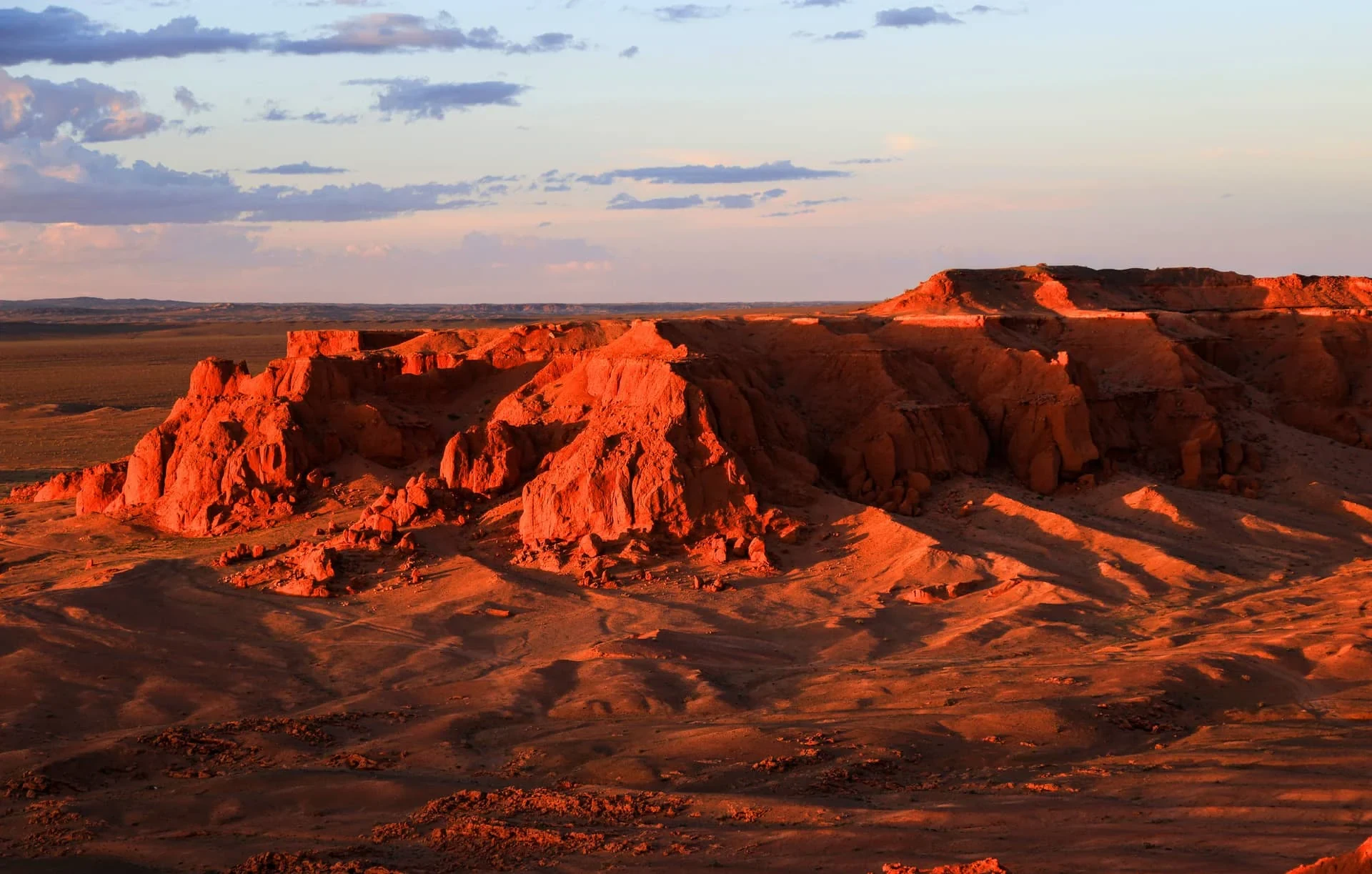
Narrow red sandstone valleys with eroded walls, low sun lighting one face and leaving the other in shadow
Red rock valleys lit by the last sun
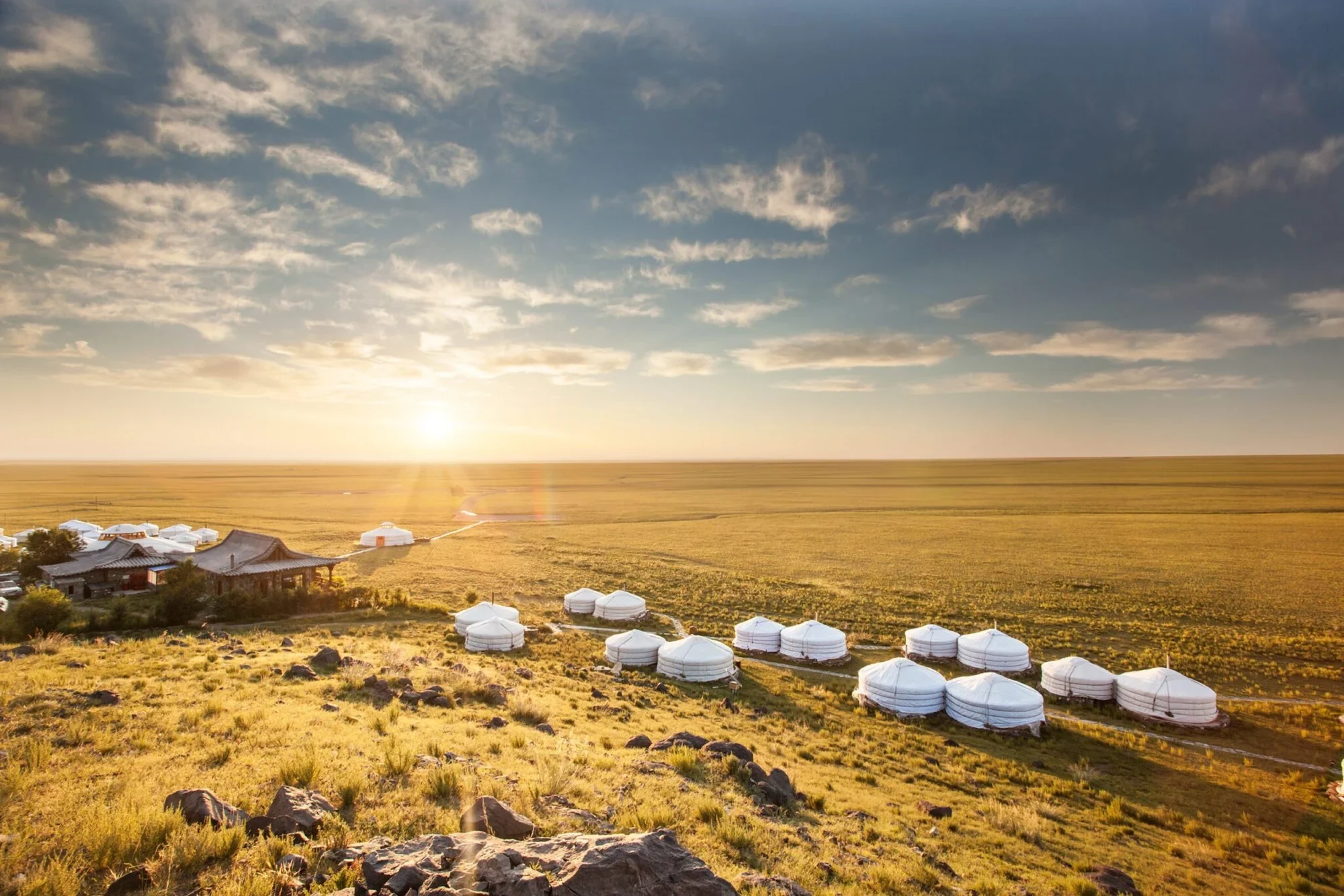
Eight or nine round white gers spread across flat grassland, a few horses grazing between them
A cluster of white gers on open steppe
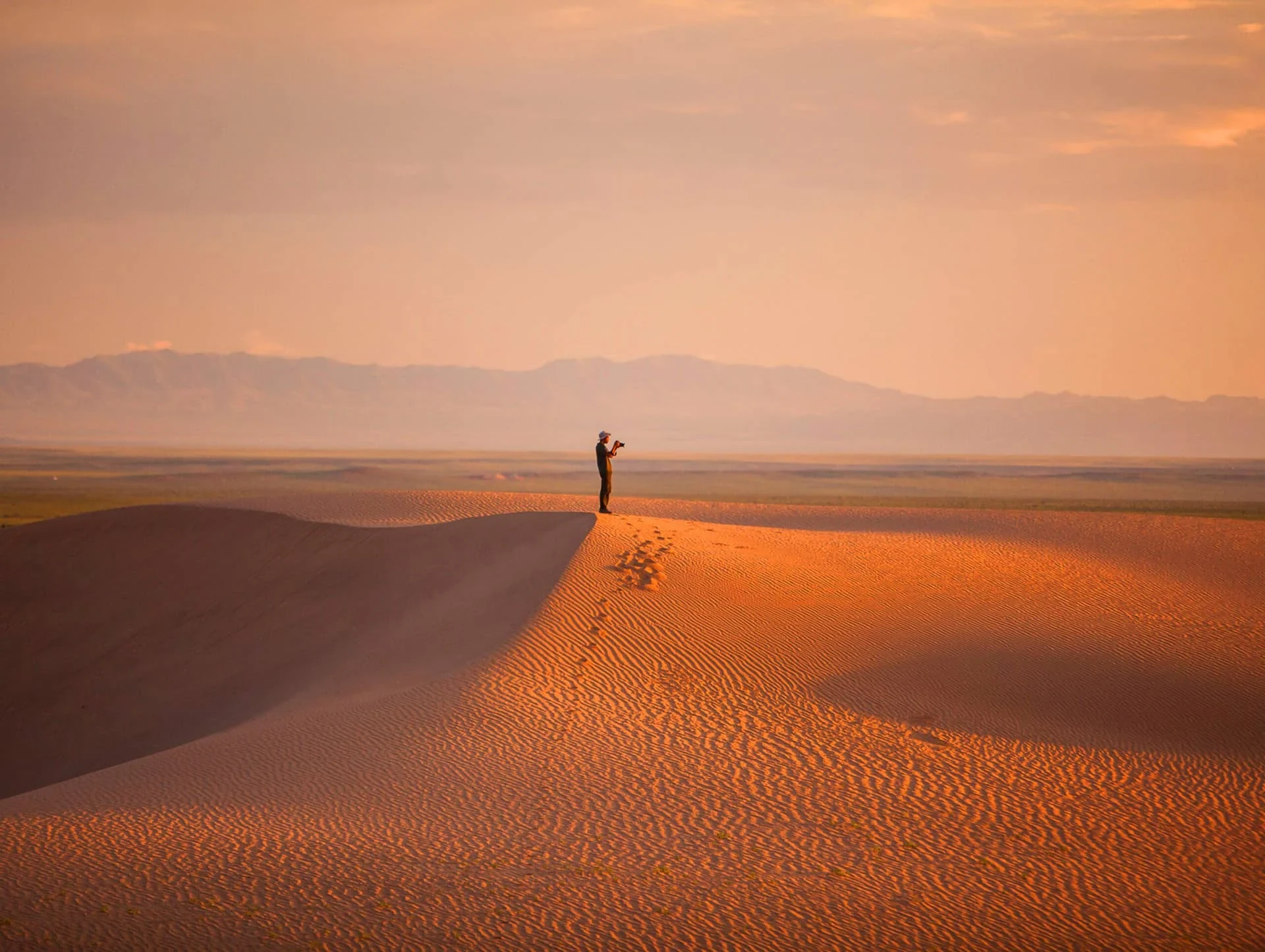
One person walking along a dune ridge, small in frame, sand falling away in long curves on both sides

Fixed camps and moving camps

Both kinds put you in country that sits far from any city, and both change what a day looks like. A fixed camp allows proper beds and a base for several nights. A moving camp follows the route, which is what makes a long traverse possible without returning to a town each evening.

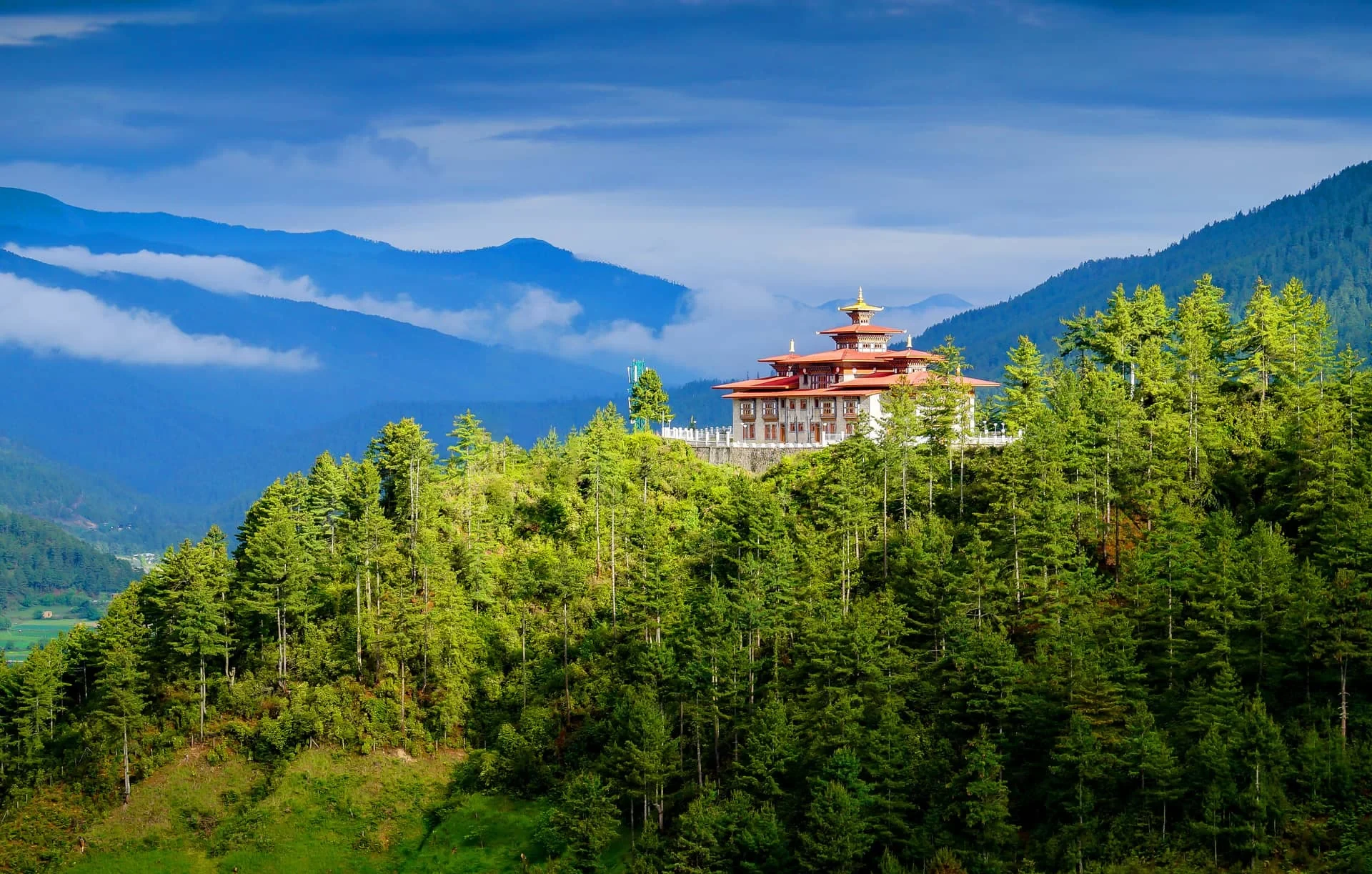
A tiered monastery building with painted eaves set into a forested hillside, trees crowding it above and below

Time with nomadic families

Routes can include family visits, riding and traditional culture, arranged as part of the itinerary rather than as a stop at a display. What a visit involves depends on the household and the season, and it works better when it is not the only thing expected of the day.

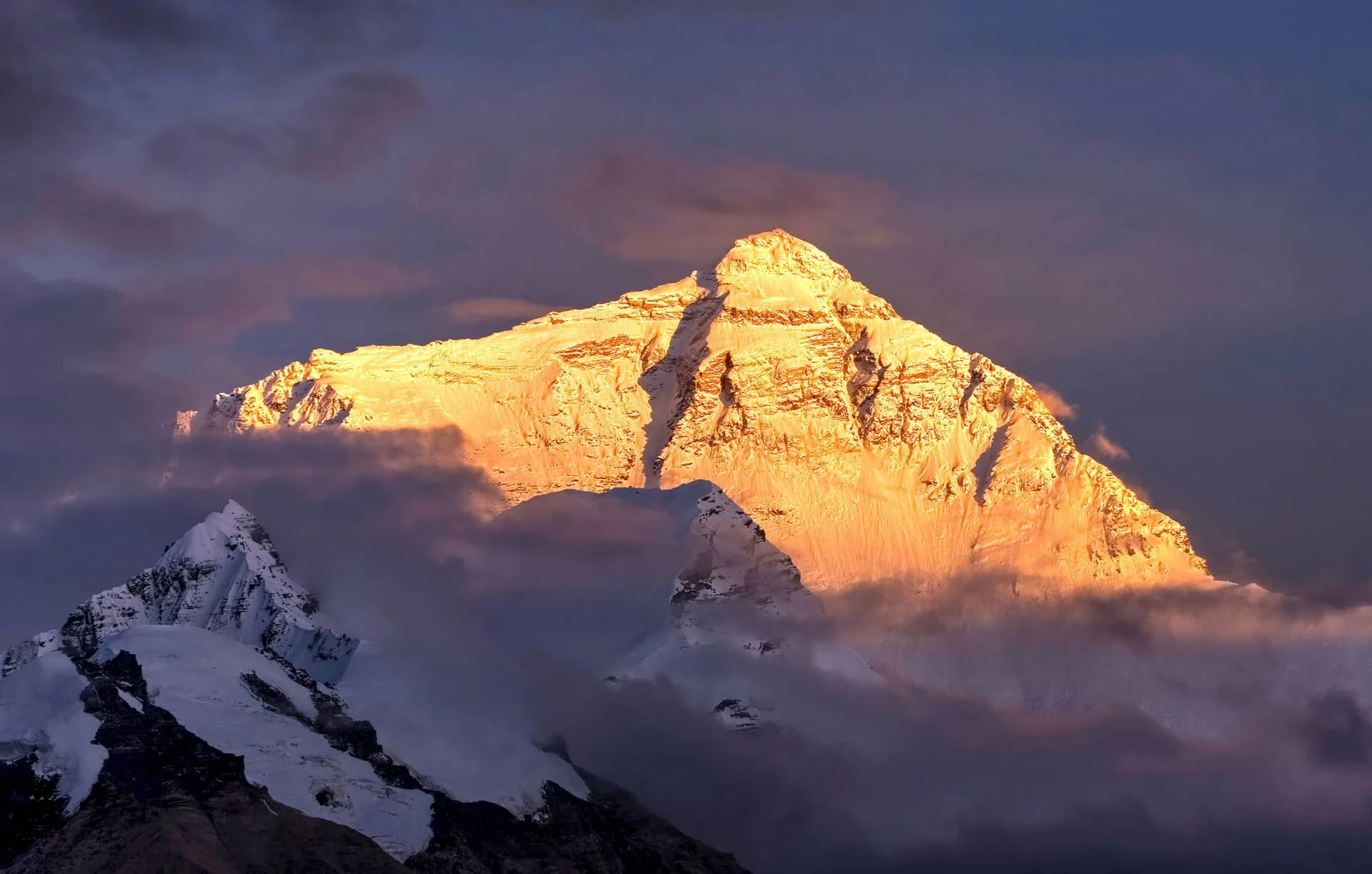
Sharp snow-covered peaks with cloud streaming across the summit ridge, lower slopes in shadow

Four-wheel drives and charters

Ground crossings and domestic flights get combined according to time and budget. A charter removes a long and punishing drive; the drive is what shows you the country in between, mile by mile. The balance between the two is the main planning decision in a country this size, and it shifts with the route.

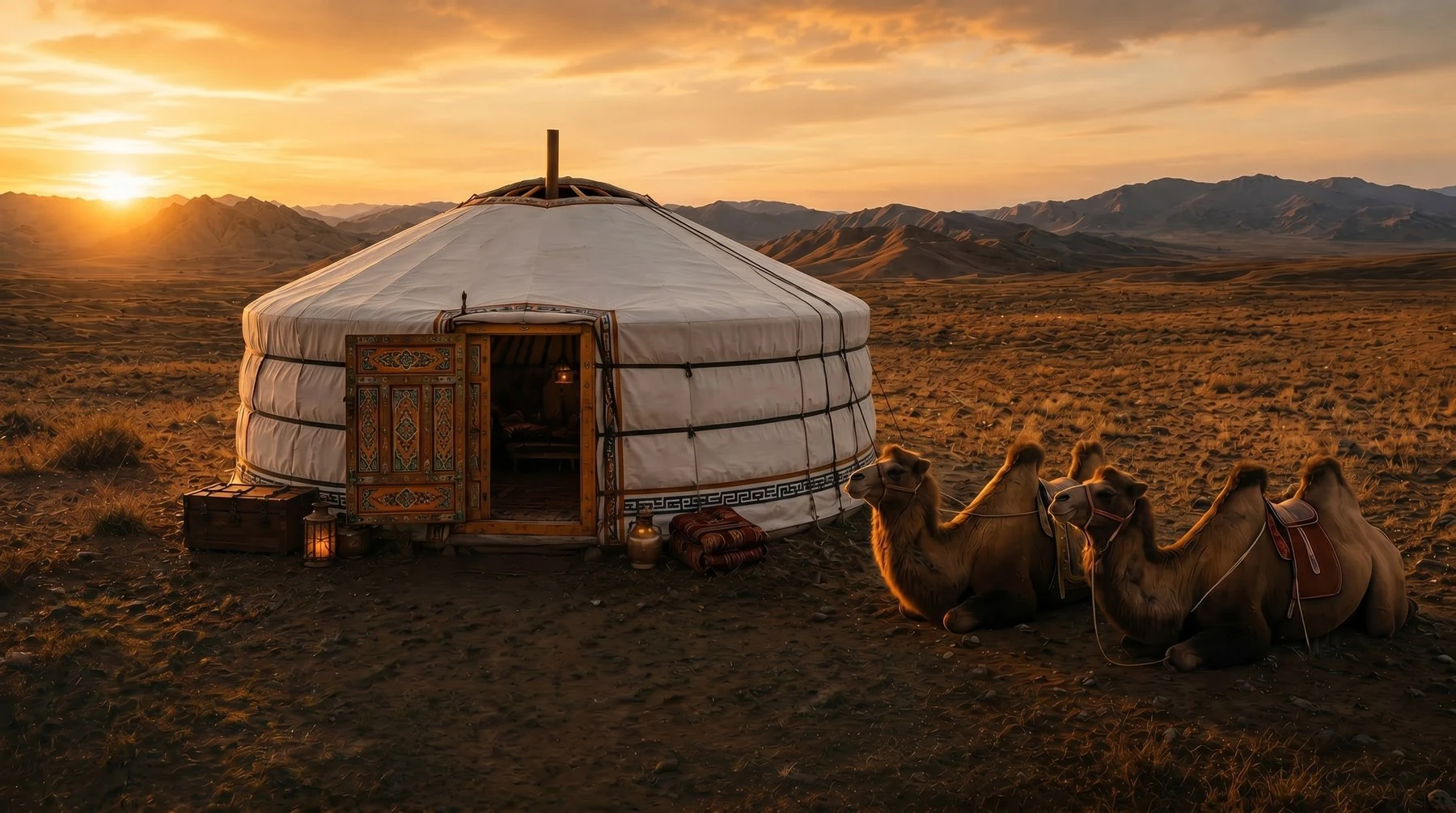
A line of Bactrian camels standing in front of a white ger, two riders holding the lead rope
Route

Eight to fourteen nights, one region deep

Mongolia works best as the main destination for eight to fourteen nights, going deep along one regional line rather than trying to cover the whole country. A classic Gobi or steppe route wants eight nights minimum. Add the Altai, falconry culture or several charters and twelve to fourteen is more realistic.

Counting road days before counting sights

Long drives are part of the itinerary here, not an inefficiency to be designed out.

Stay

At least eight nights for a classic Gobi or steppe route. With the Altai, falconry culture or several charters, twelve to fourteen is advisable.

Getting there

International flights reach Ulaanbaatar, then domestic flights, four-wheel drives or camp vehicles take over. Long overland days have to be counted in the itinerary.

Season

The warm months suit steppe and Gobi. Falconry and winter products keep separate, short windows. Roads and flights are both affected by weather.

Watch out

Camp comfort, washing facilities and drive times vary by region. If you want a high standard of lodging, confirm the actual form of every night first.

Plan this into a journey

Choose the theme: traverse, ride or winter festival. The season and the camps follow.

[email protected]

Read this page in Chinese

Discuss this journey