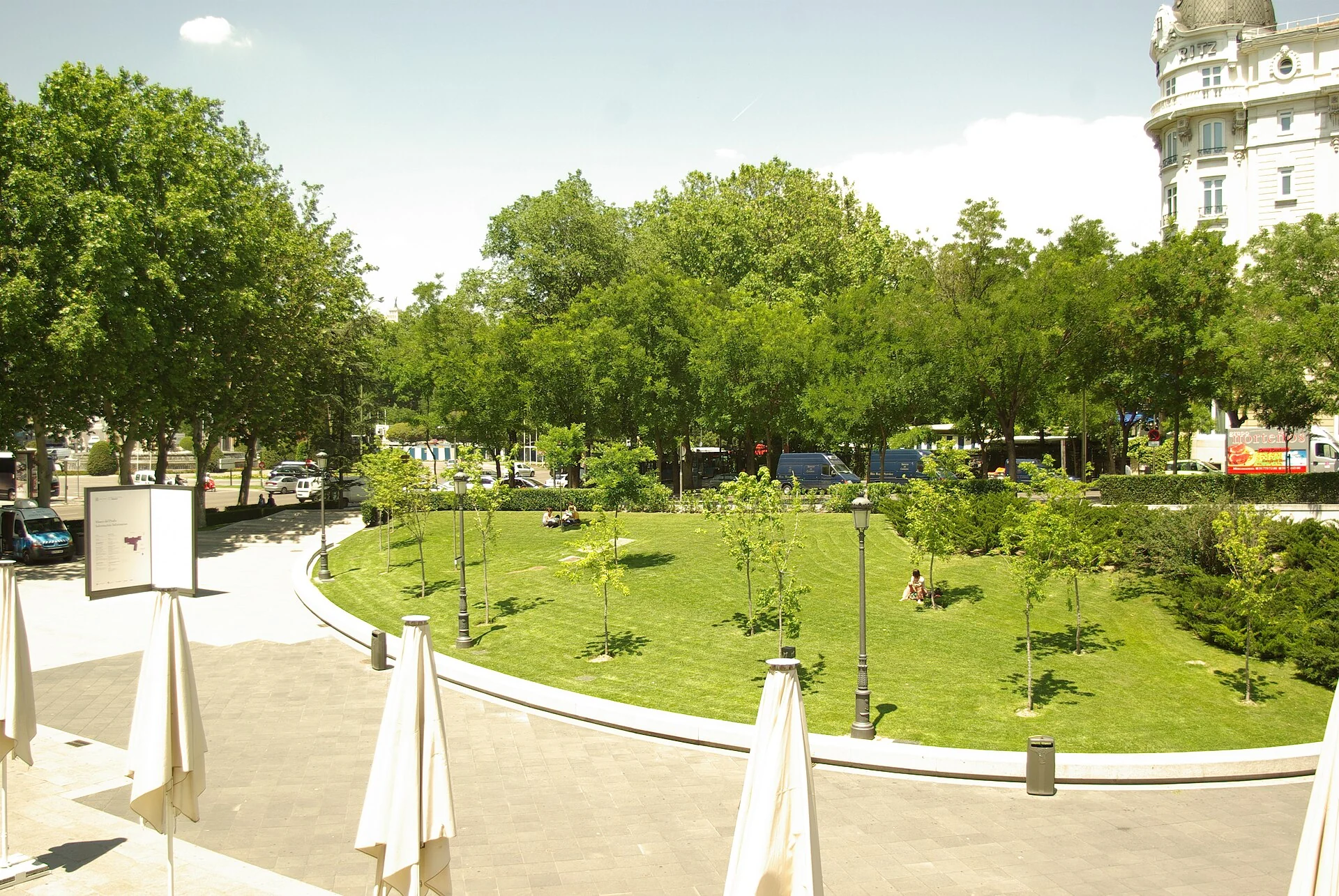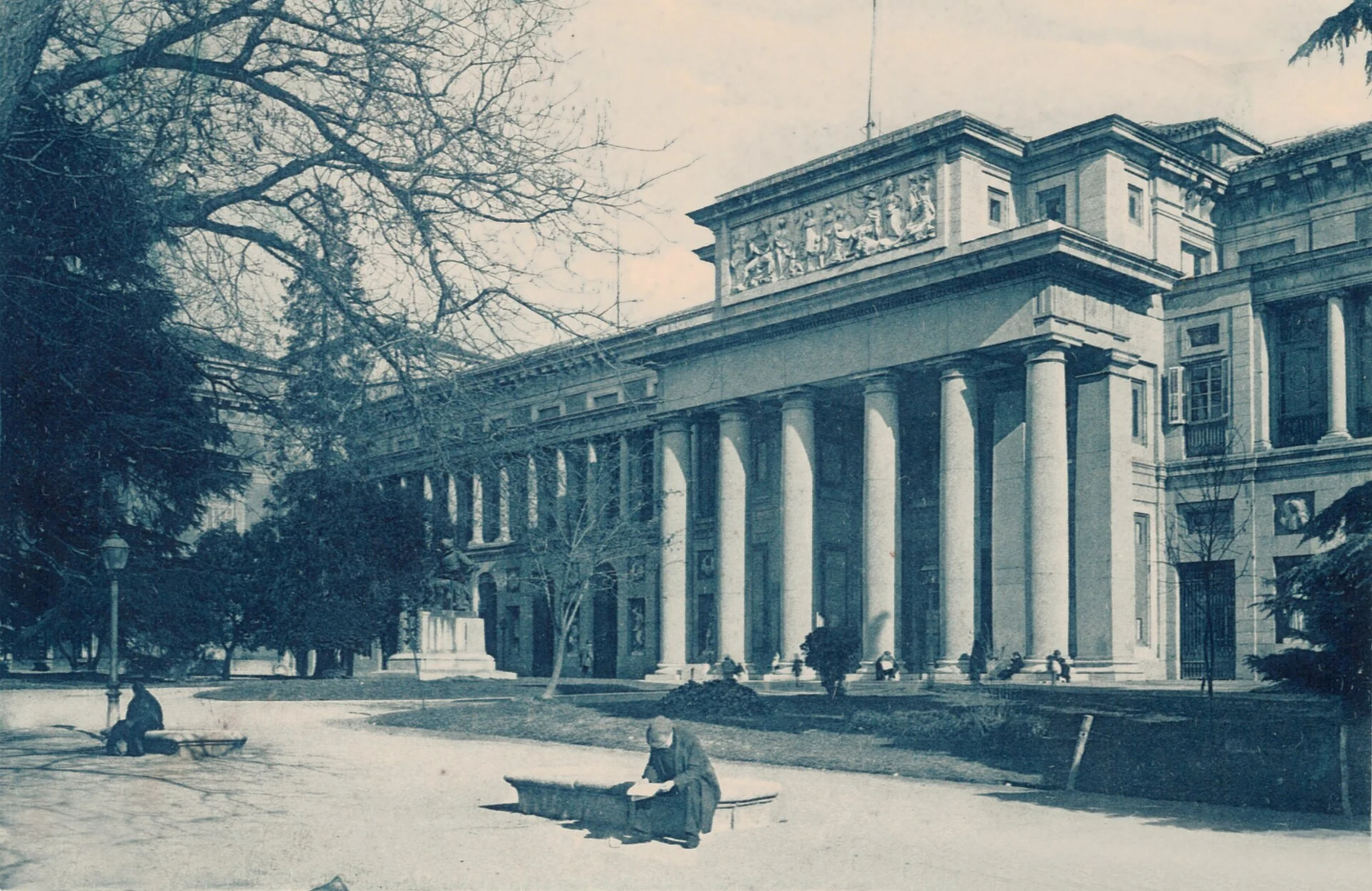
Facade in tree shadow

Madrid, Spain

Museo del PradoThe building was not built for paintings

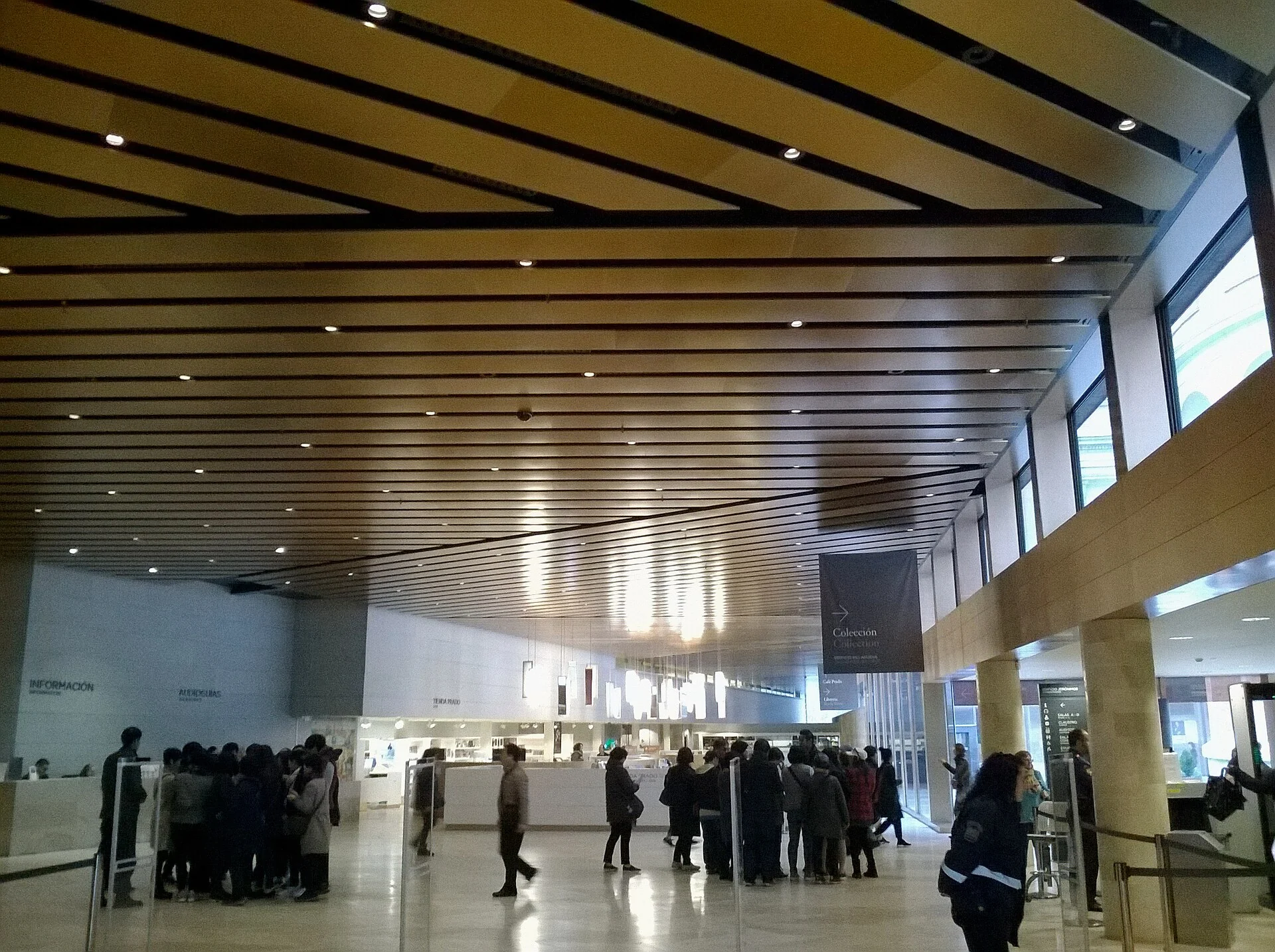
In front of the facade is tree shadow; inside, a long hall of white arcades, leading to a round hall, then a wood-roofed gallery under a skylight. Paintings hang densely, with space left between walls to stop and look, and in places someone sits at an easel copying the original. The building was first meant for natural-history specimens; what it holds now is the painting amassed by the court over centuries.

On a stretch of the Paseo del Prado in Madrid, with grass and trees in front, and two other museums not far off.

PlaceMadrid, Spain
TypePainting museum
SuitsEuropean painting
PlanHalf a day

Paintings, building, and the people looking

Madrid, Spain — Painting museum.

Look at the building first: it was meant for something else, and was extended again and again after being turned to showing paintings.

The royal collection is the base; only on one route do Goya, Velázquez and Bosch appear together.

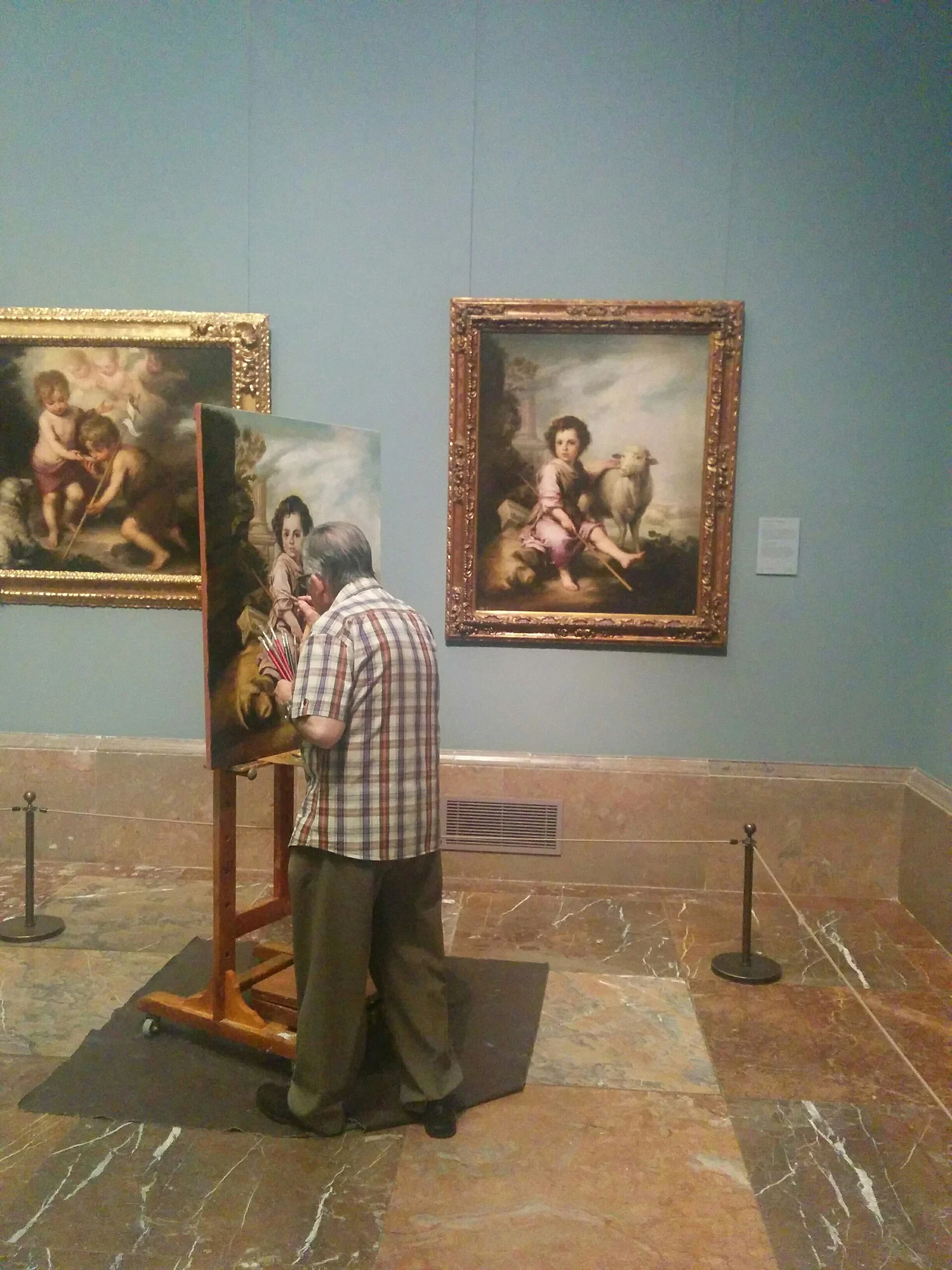
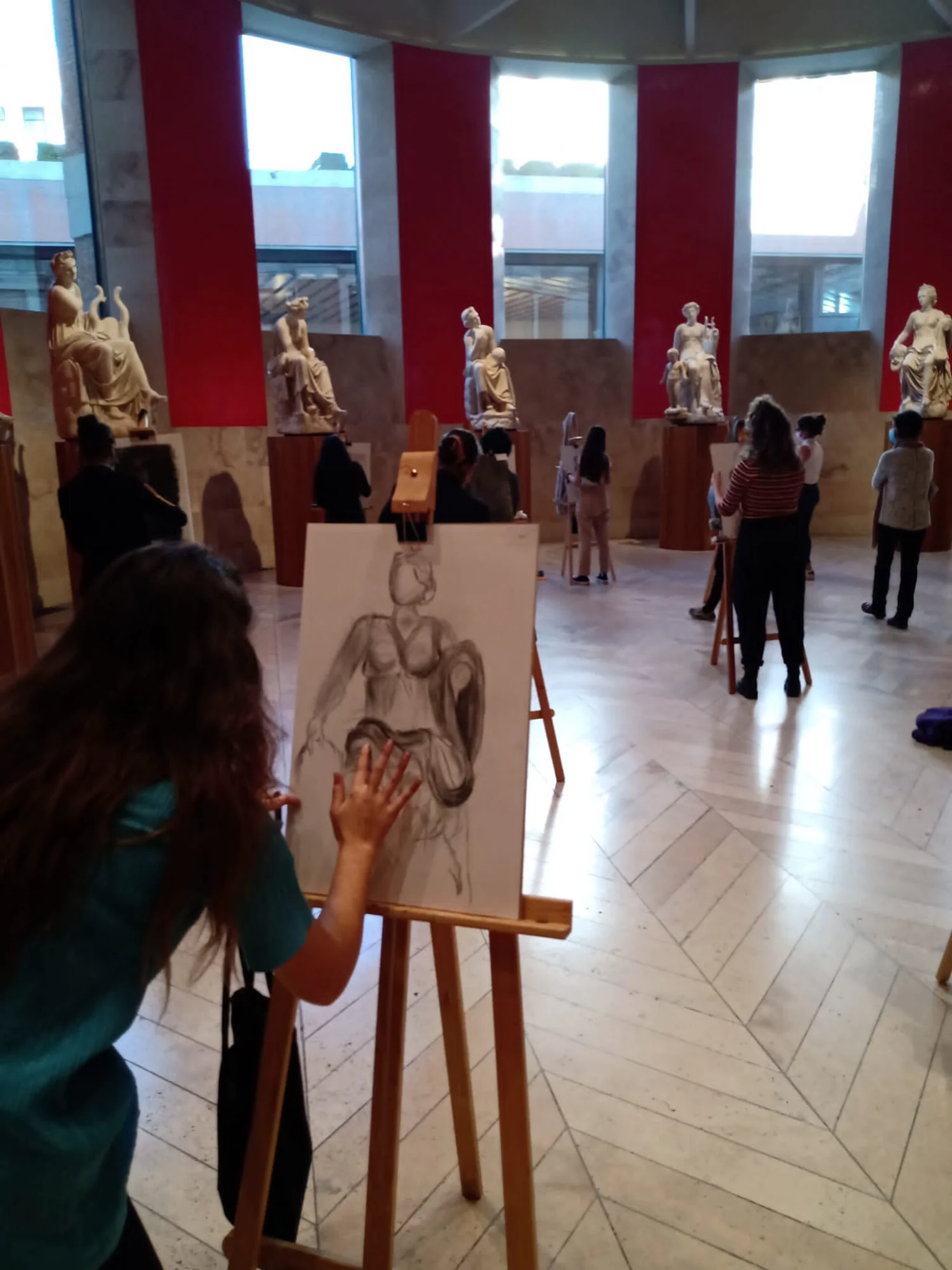
Visitors set up easels to copy year-round; watching people look is itself a sight.
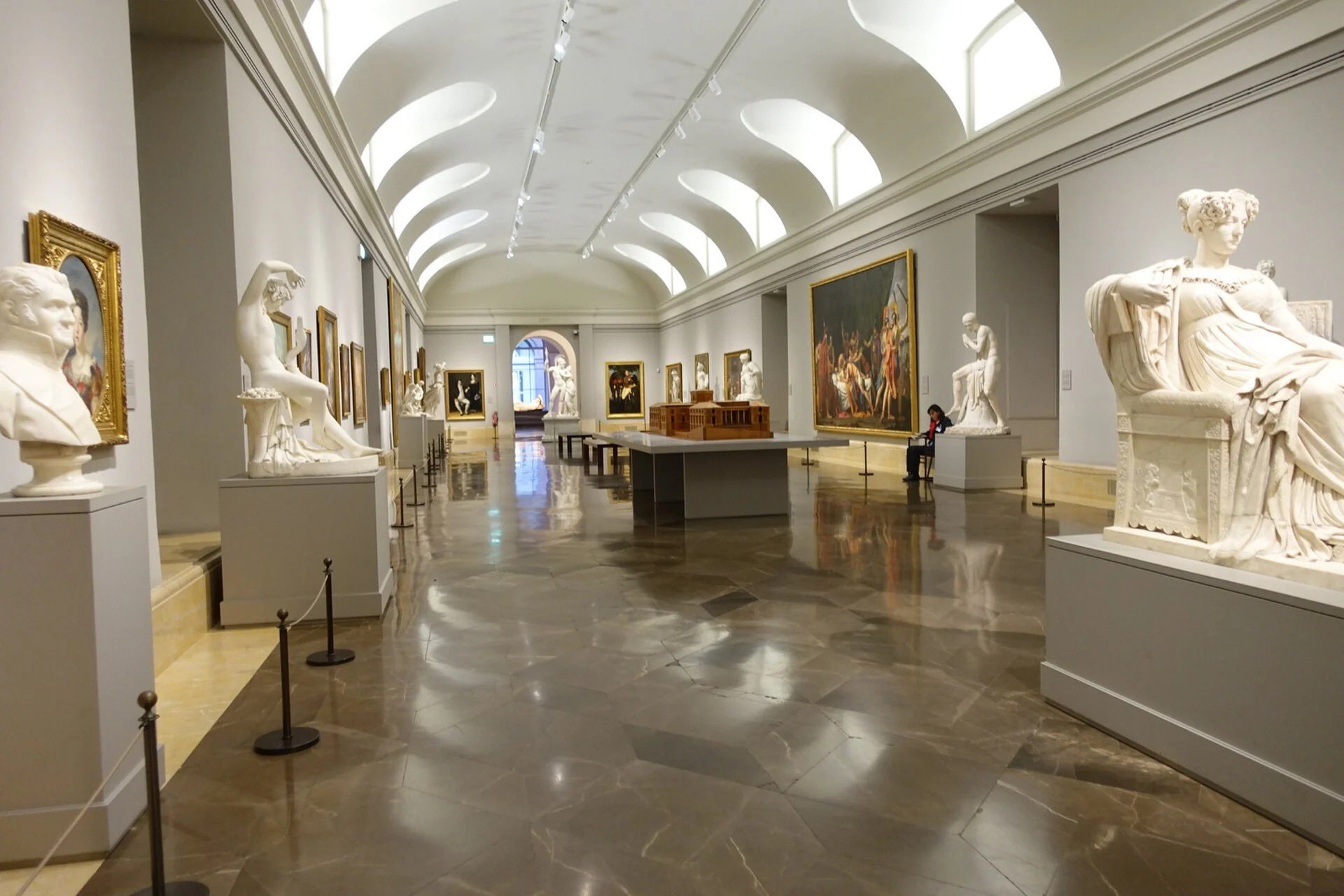
Hall of white arcades
A hall of white arcades
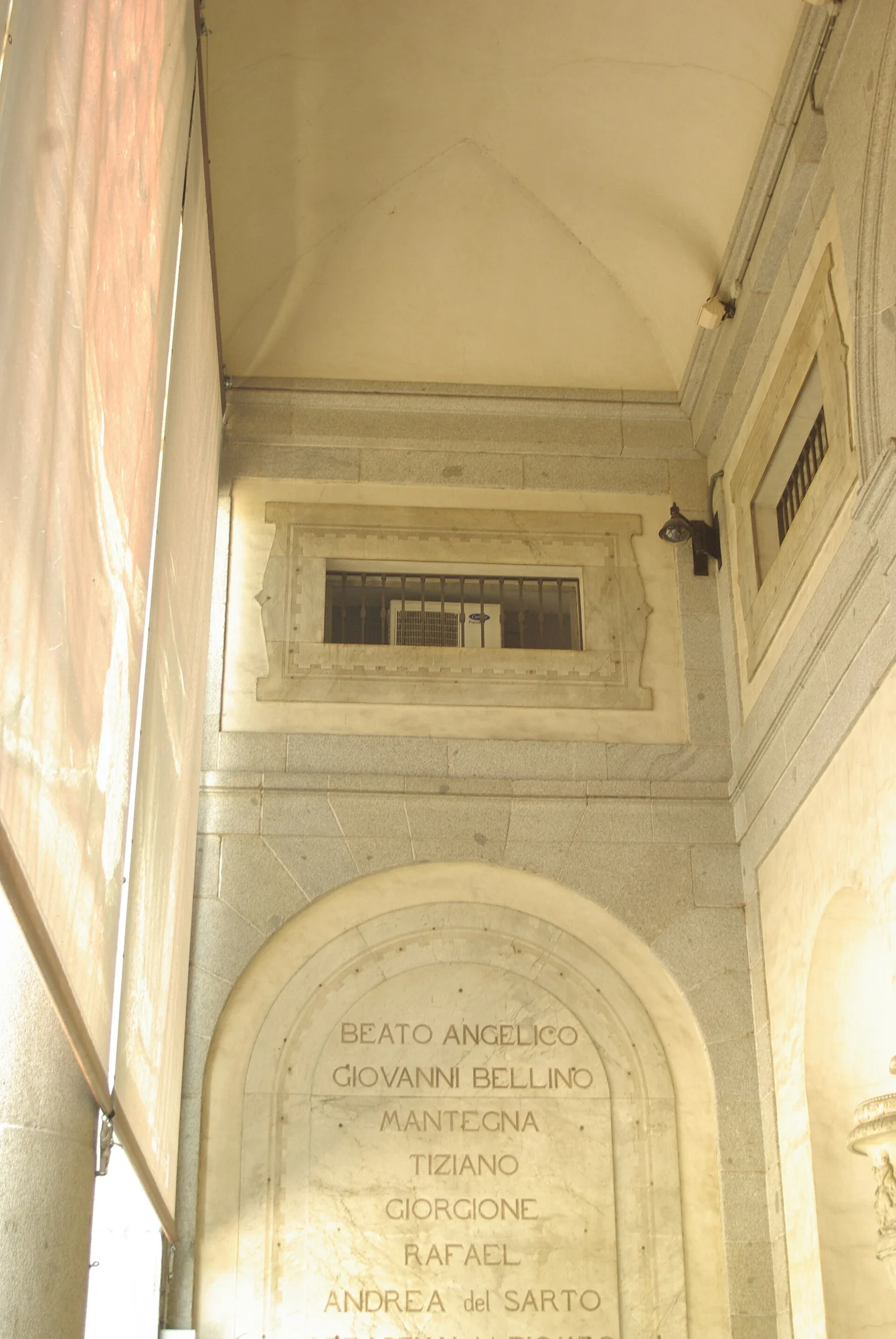
Lettering on round hall
Lettering on the round hall wall
Green in front of door

The 1785 drawings

Carlos III had Juan de Villanueva design a building on the Paseo del Prado, intended for natural-history cabinets. During the Peninsular War it served as cavalry barracks and a powder store, and the work stopped for a long time. Later, persuaded by Queen María Isabel, Fernando VII changed course and opened it in November 1819 as the Royal Museum of Painting and Sculpture.

Visitor at easel

The first catalogue listed only Spanish painting

The first catalogue the year it opened listed only Spanish painting, yet the building already held works gathered from royal residences everywhere, including other schools. The catalogue's compiler wanted first to show Europe that Spanish painting held its own; the collection's actual origins were far wider than the catalogue.

Easel between red columns

Paintings moved out during war

During the Civil War, on the League of Nations' advice, the museum sent a batch of paintings, drawings and the Prince's treasures to Valencia, then Girona, finally Geneva. When the Second World War broke out, those crates came back to Madrid by night train through France. The order they hang in today was interrupted by that journey.

Wood-roofed gallery
Route

Soon after opening

Do not set it on a transfer day. In the morning you can stand before the big paintings; leave enough strength for the long hall, and only a short stretch more in the afternoon.

Seeing the long hall without rushing

The Prado rewards a few rooms well chosen over the whole building.

Before you go

Goya, Velázquez and Bosch are the anchors; plan around them.

Morning

The large halls are calmer early.

After

The Paseo del Arte continues next door.

Plan this into a Madrid stay

Tell us the days in Madrid and we can talk through how a day at the Prado fits with the rest of the city.

[email protected]

Read this page in Chinese

Discuss this journey