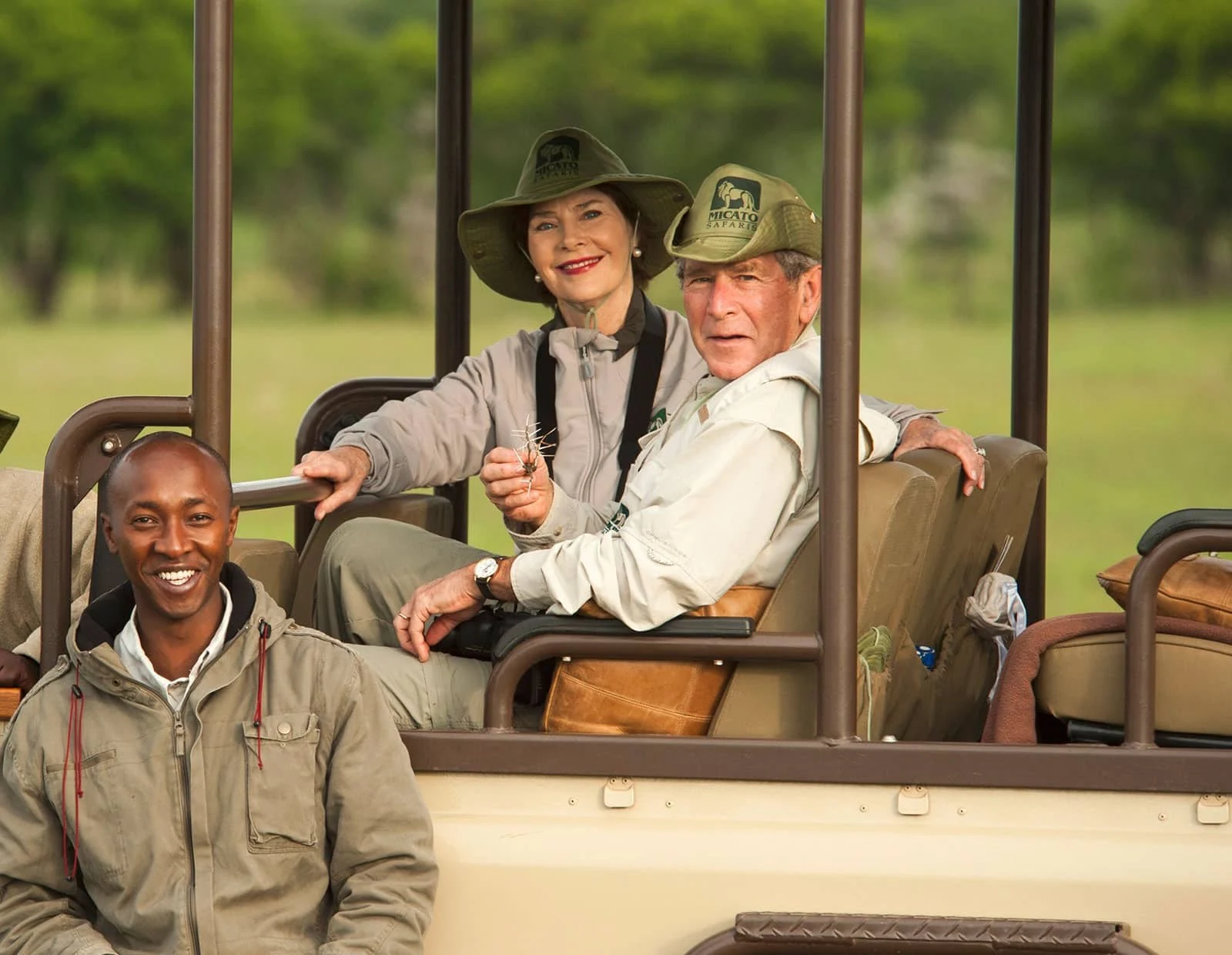
A guide and two travellers seated in an open-sided safari vehicle, all looking right, binoculars raised against dry bush

Kenya, Tanzania, Southern Africa, India

Micato SafarisA named Safari Director across camps and flights

Kenya and Tanzania are the core, with routes reaching Southern Africa and India. Groups are small and fixed, or private and built around a family. A named Safari Director holds the transport and the game drives together, so arrival in a city, a camp and a morning out do not feel like three separate arrangements.

The company works from Kenya and Tanzania outward, extending to Southern Africa and India. Nairobi and other gateway cities have long-standing operations on the ground.

PlaceEast and Southern Africa
TypeGuided safari
SuitsFirst safari, families
Stay10-14 nights

City arrival, camp and daily drives held together

Kenya, Tanzania, Southern Africa, India — Family-run safari operator.

A family business with its own ground teams runs East Africa, Southern Africa and part of India. A Safari Director stays with the itinerary, which is what keeps the city arrival, the camp and the time spent watching animals on one continuous line rather than a series of handovers between strangers.

Set departures make routes easy to compare against each other: the classic migration, Botswana, South Africa. Private departures suit multi-generational groups, photographers or anyone who needs more rest days. Say which animal matters most and how much activity you want, then choose between the two.

It fits a first safari, a family with children, a group spanning three generations, or anyone who wants care throughout rather than only at the camp. Read the fixed rhythm of a set departure honestly: if the pace is wrong, a private date is the better answer.
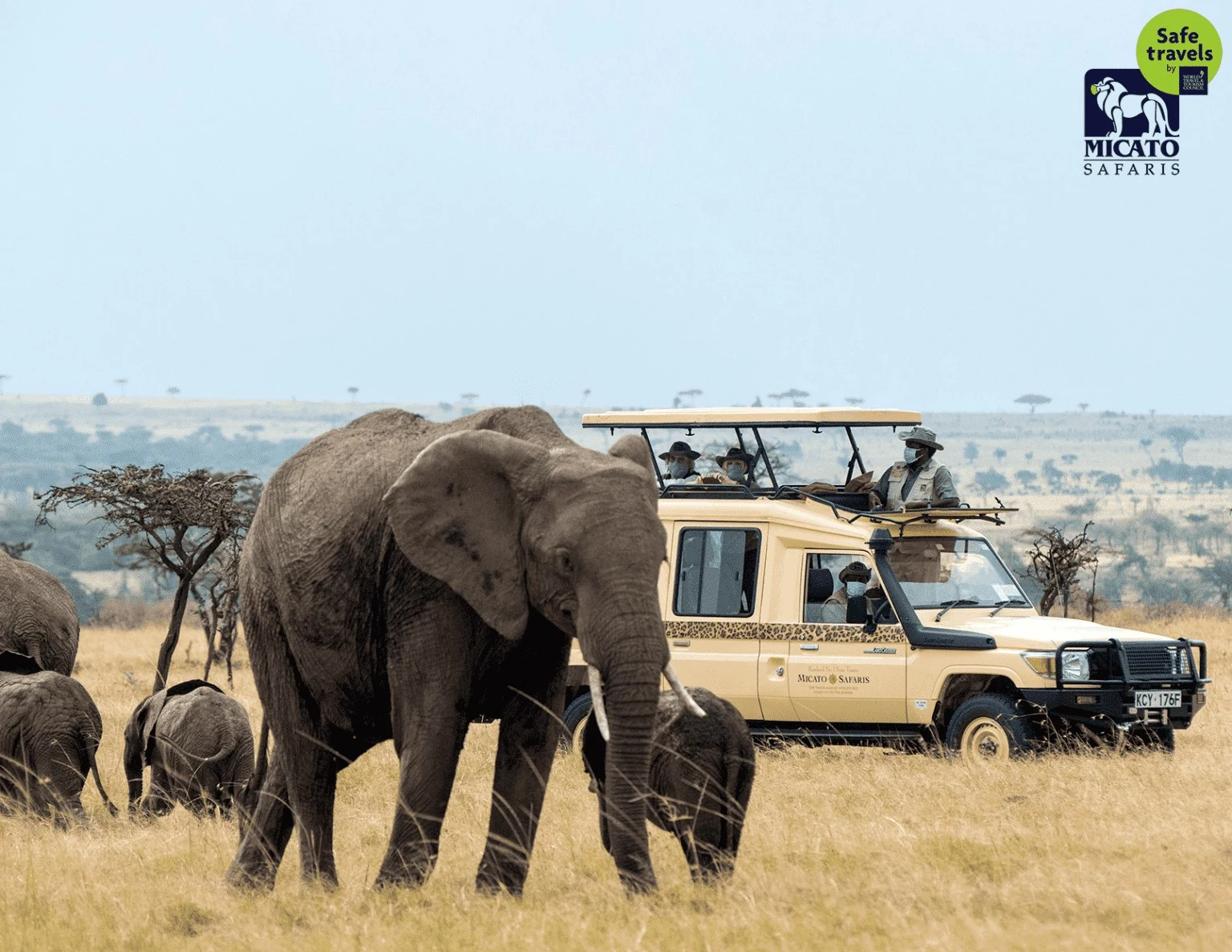
Three elephants standing close to a stopped safari vehicle, one lifting its trunk toward the bonnet
Elephants closing in on a stationary vehicle
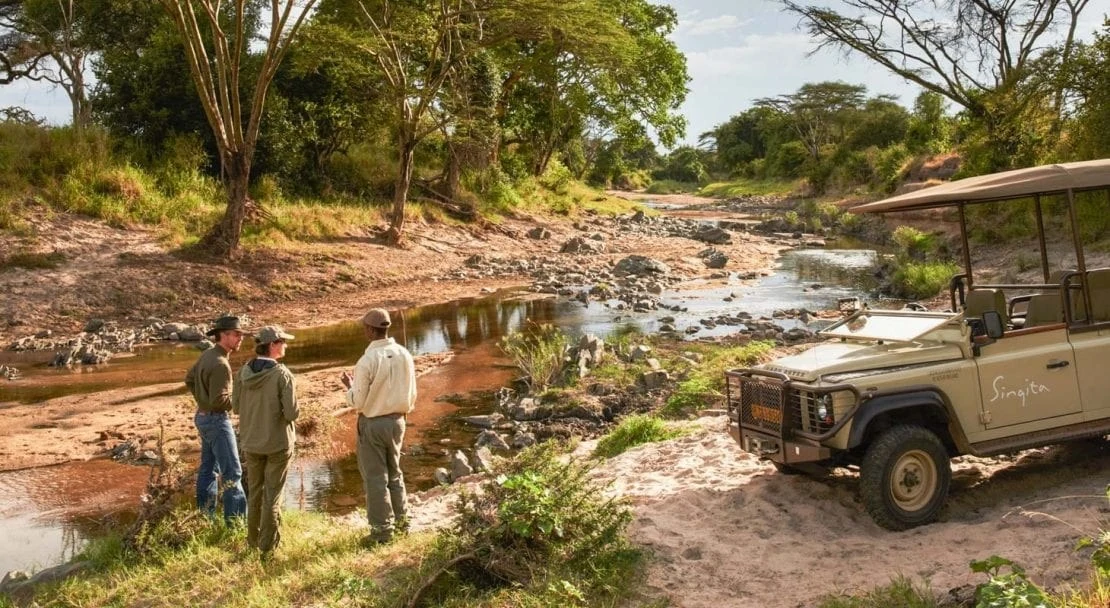
Two travellers crouched at the edge of a forest stream, looking down into clear water between rocks
Two travellers watching the water from a stream bank
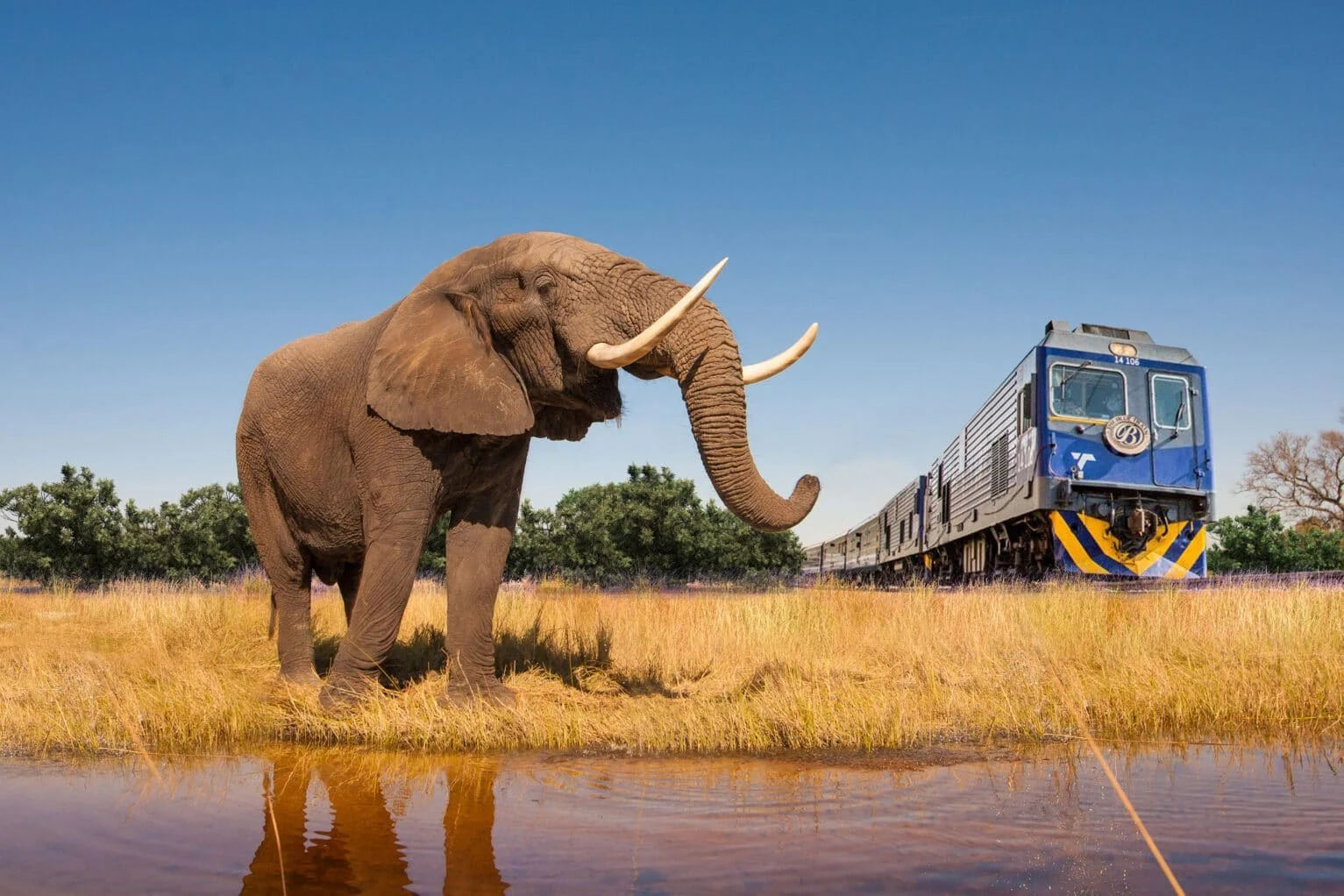
Elephants drinking at a waterhole in the foreground, a passenger train crossing a bridge behind them

A Safari Director through the whole route

One named person coordinates camps, transport and the daily drives, so a new region does not mean explaining the plan again from the beginning. Each segment still runs to its own timetable. What changes is that somebody already holds the full picture when a flight slips or a sighting runs long.

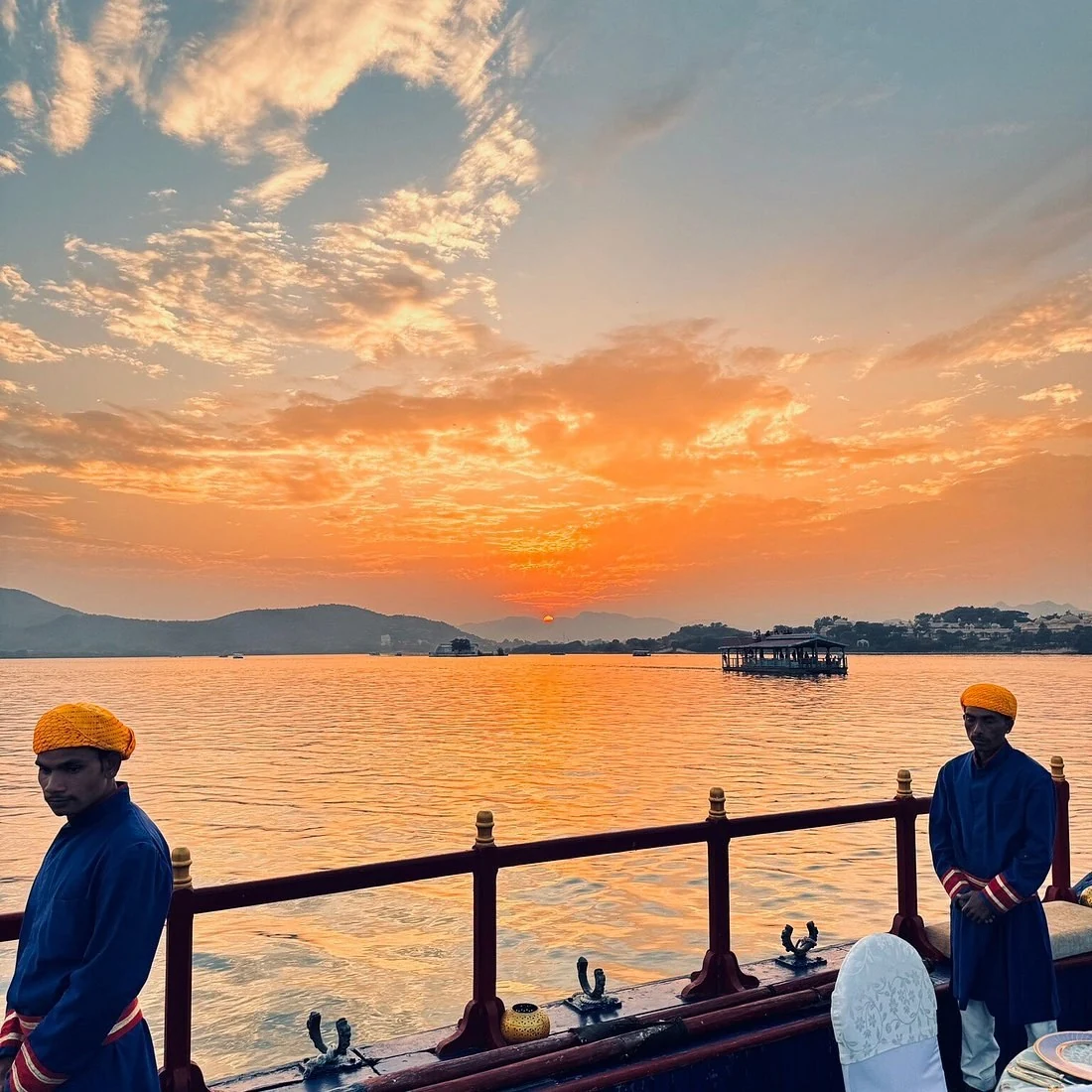
Two people standing on a lake shore in silhouette, orange cloud filling the sky above the water

Established East and Southern Africa routes

The classic migration, Botswana and South Africa appear as routes you can weigh against one another directly. That comparison is useful because the skeleton is proven; the real variables are the month and where the reserve sits, and those are what should decide between them.

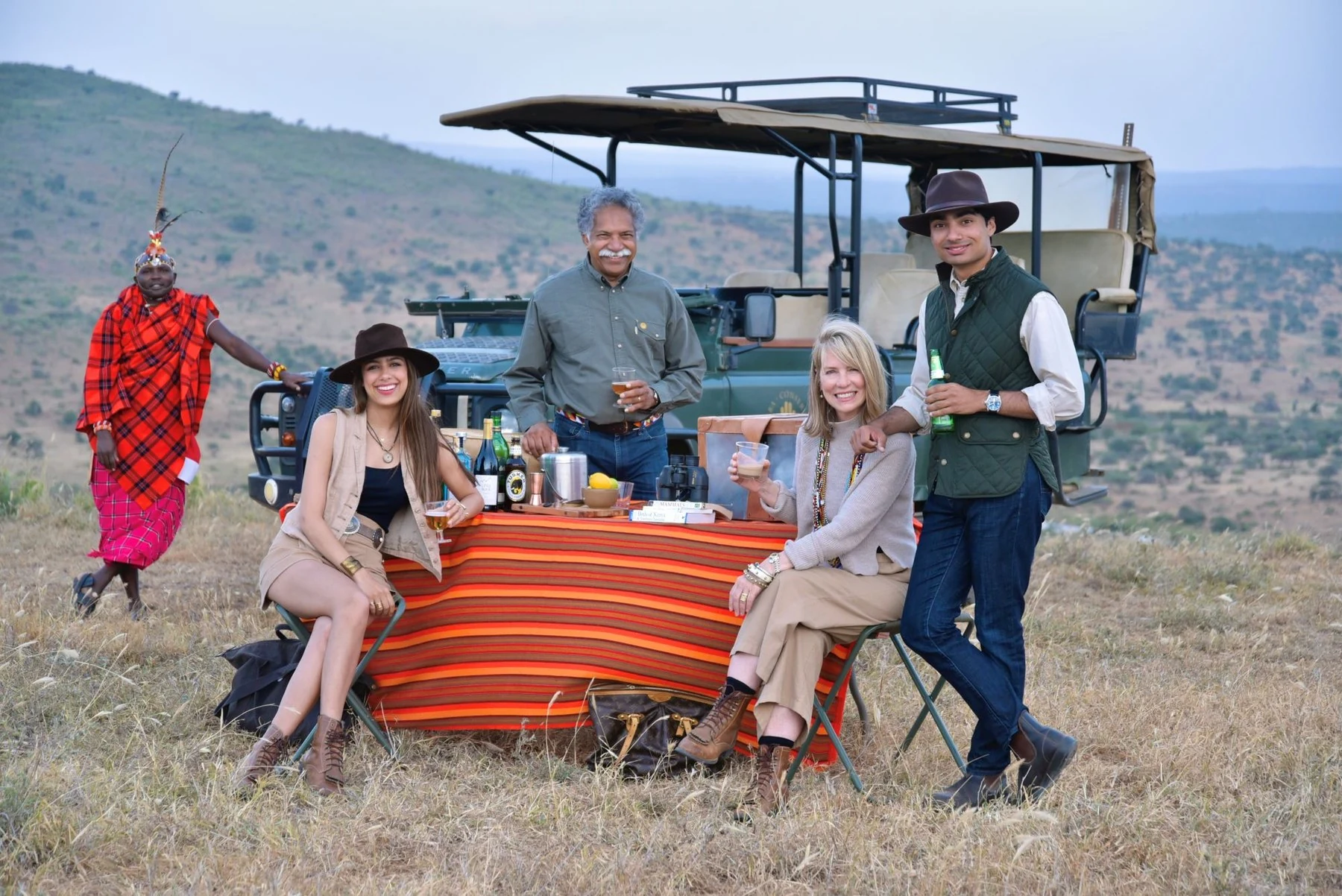
A guide and four travellers sitting on the ground beside a parked vehicle, talking, grass around them

Ground operations in the gateway cities

Nairobi and the other gateway cities have long-standing operational bases, with drivers, guides and vehicles that are not assembled for a single season. On arrival, the first transfer and the first night are handled by people the camps already know. That continuity is worth more on the first night than on any other.

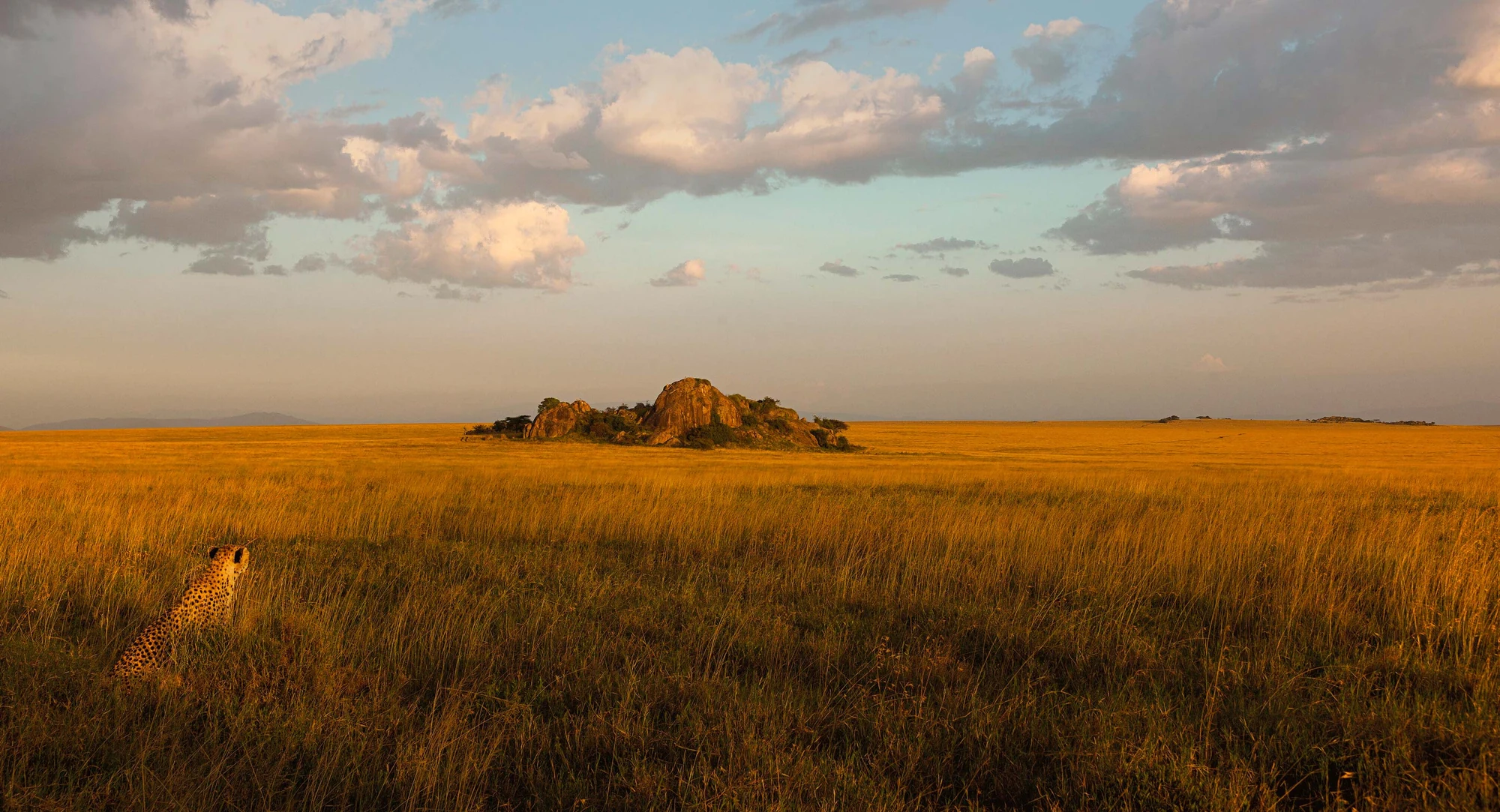
Pale gold grassland stretching to a dark line of trees, low sun grazing the tops of the grass
Route

Ten to fourteen nights on a first safari

This suits a first trip to Africa, or a family or celebration trip where one service handles camps, guides, charters and the city stays. Ten to fourteen nights is the classic East African length. Adding Southern Africa or India means splitting the trip into longer, separate blocks.

Choosing between a set departure and a private date

Fixed rhythm or flexible pace. The hotels can look identical while the days work quite differently.

Stay

Classic East African routes usually run ten to fourteen nights. Add Southern Africa or India as separate, longer blocks rather than as extra days.

Getting there

Groups meet in Nairobi, Kilimanjaro, Cape Town or Johannesburg, then continue into the reserves by road and light aircraft, usually on the same day but not always.

Season

The East African migration, the Southern African dry season and the Indian climate each keep their own timing. Dates follow the primary animal target.

Watch out

Set departures keep a fixed rhythm and activity level. Private dates suit multi-generational families, photographers, or anyone who needs extra rest days.

Plan this into a journey

Decide the pace before the camps. A set departure and a private date ask different things of the same family.

[email protected]

Read this page in Chinese

Discuss this journey