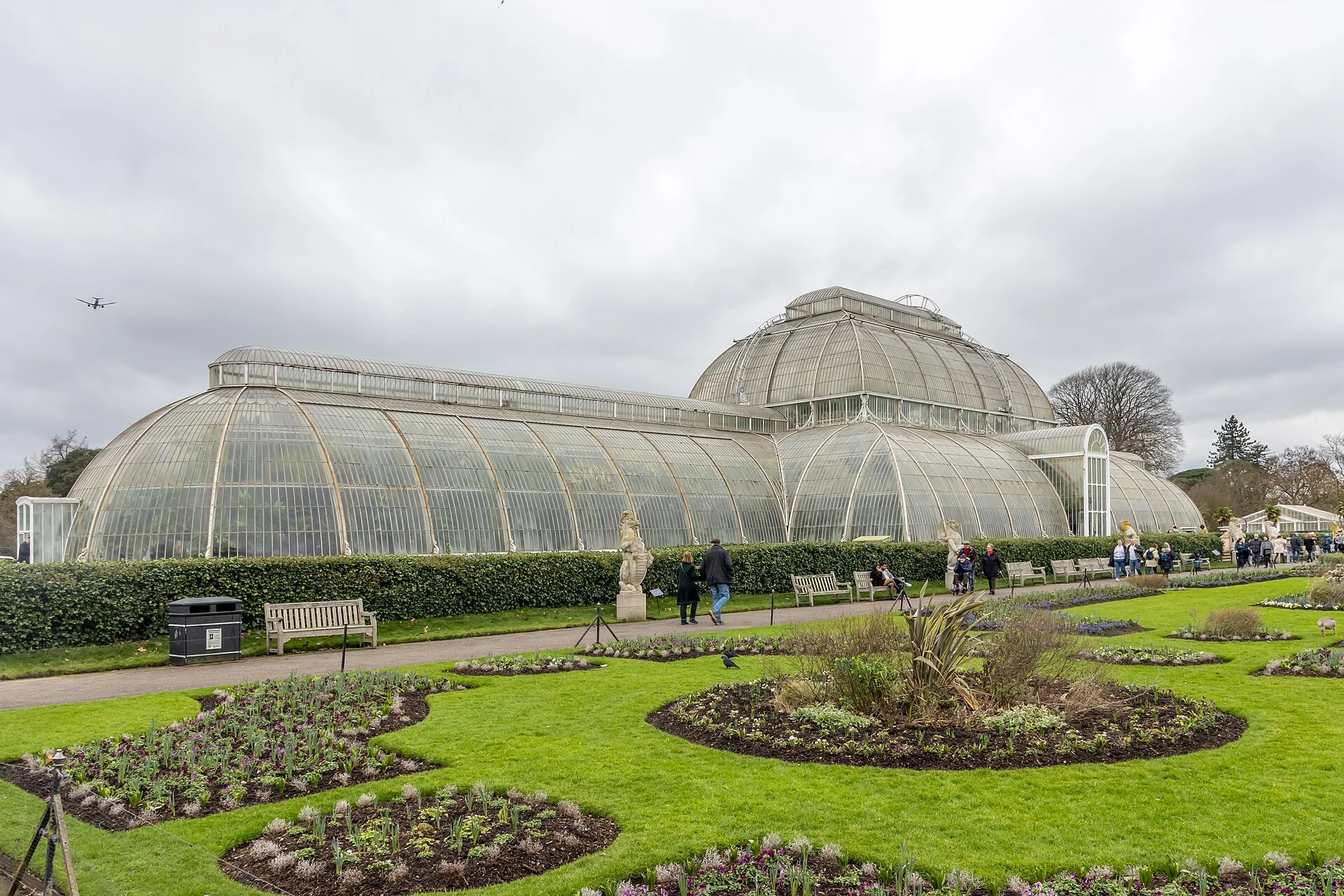
Curved glasshouse dome with a round flowerbed laid out before it

Richmond, London, United Kingdom

Royal Botanic Gardens, KewGlasshouses full of whole forests

Inside the gate you meet a glass dome, iron ribs slicing the sky into squares, palm leaves brushing the glass. Walk west a few steps and the red-brick Kew Palace stands behind trimmed hedges, like somewhere else entirely.

The grounds lie flat, trees and glasshouses each in their own block; you won't notice any slope as you walk.

PlaceRichmond, London, United Kingdom
TypeBotanic garden and research institute
SuitsThose who want to see how a botanic garden is also a research institution, not just a flower photo
Best seasonThe glasshouses stay warm year-round; outdoor beds change with the seasons

One garden, two ways of seeing

Richmond, London, United Kingdom — Botanic garden and research institute.

Walk the tropical glasshouses first, then step out to the trees.

The garden holds some forty historic buildings; that brick house is the easiest to miss.

Behind the glasshouses there is also work on specimens and seeds — the garden is more than a place to stroll.

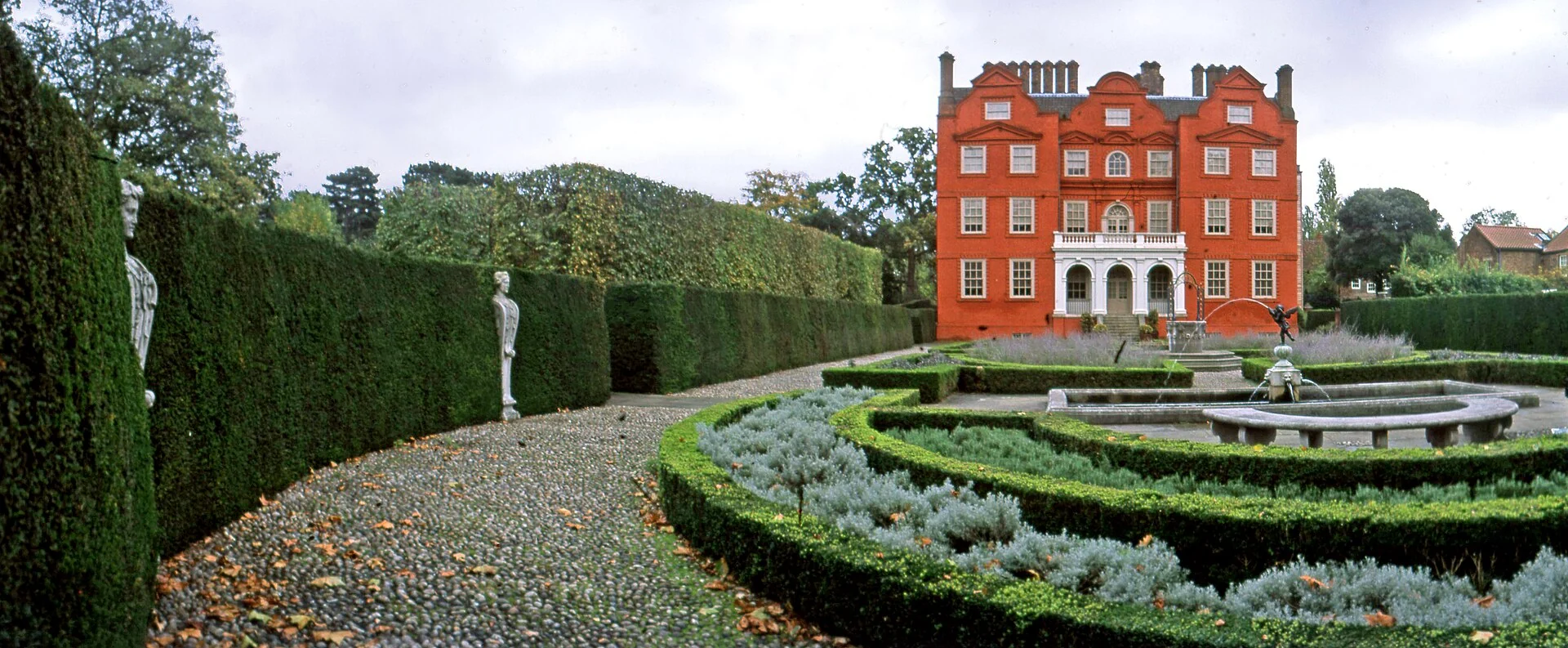
Low hedges forming a symmetric pattern, a red-brick house standing behind
The pattern outlined by hedges
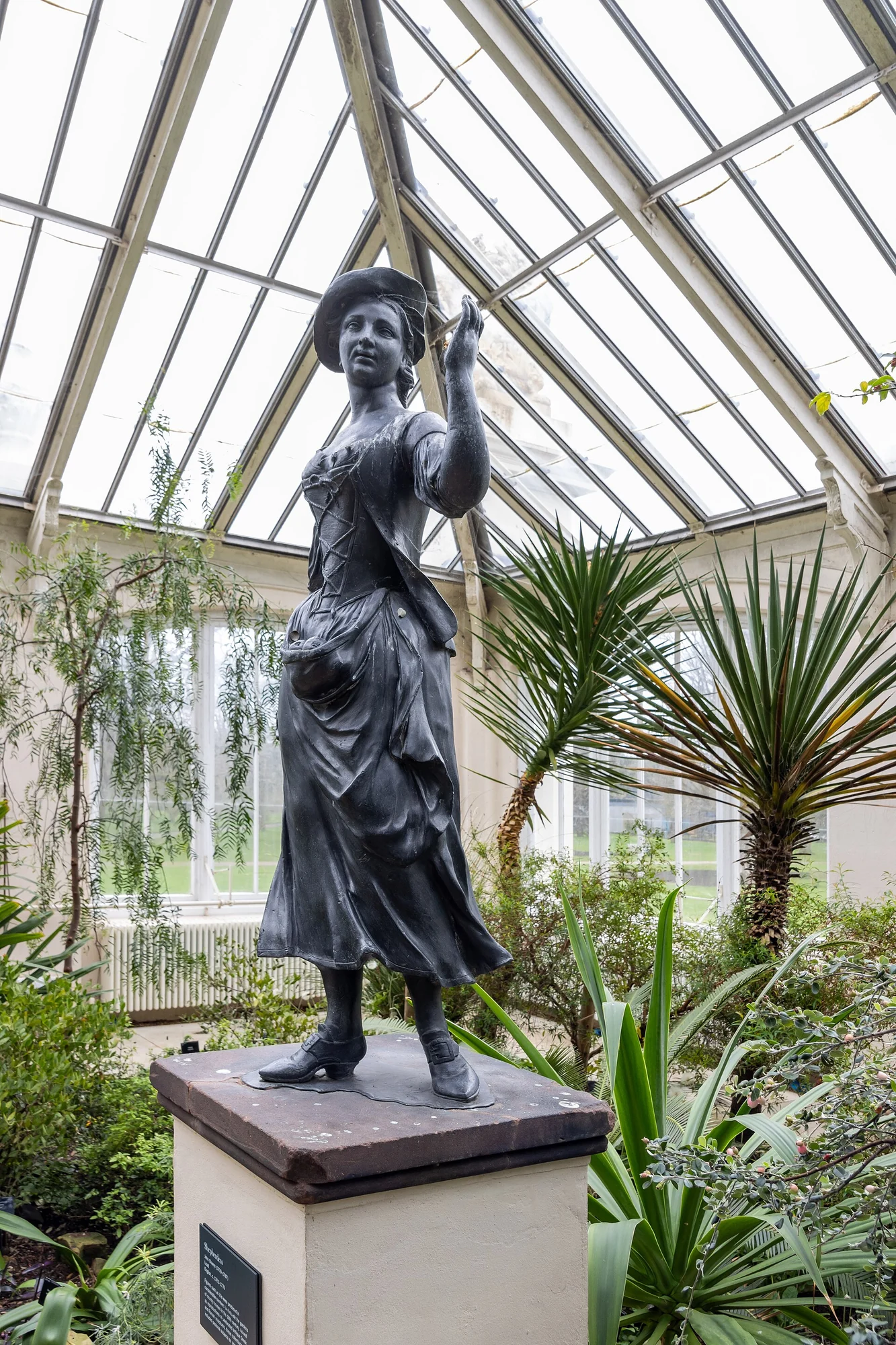
A dark statue inside the glasshouse, palms and glass ribs all around
The statue among the palms
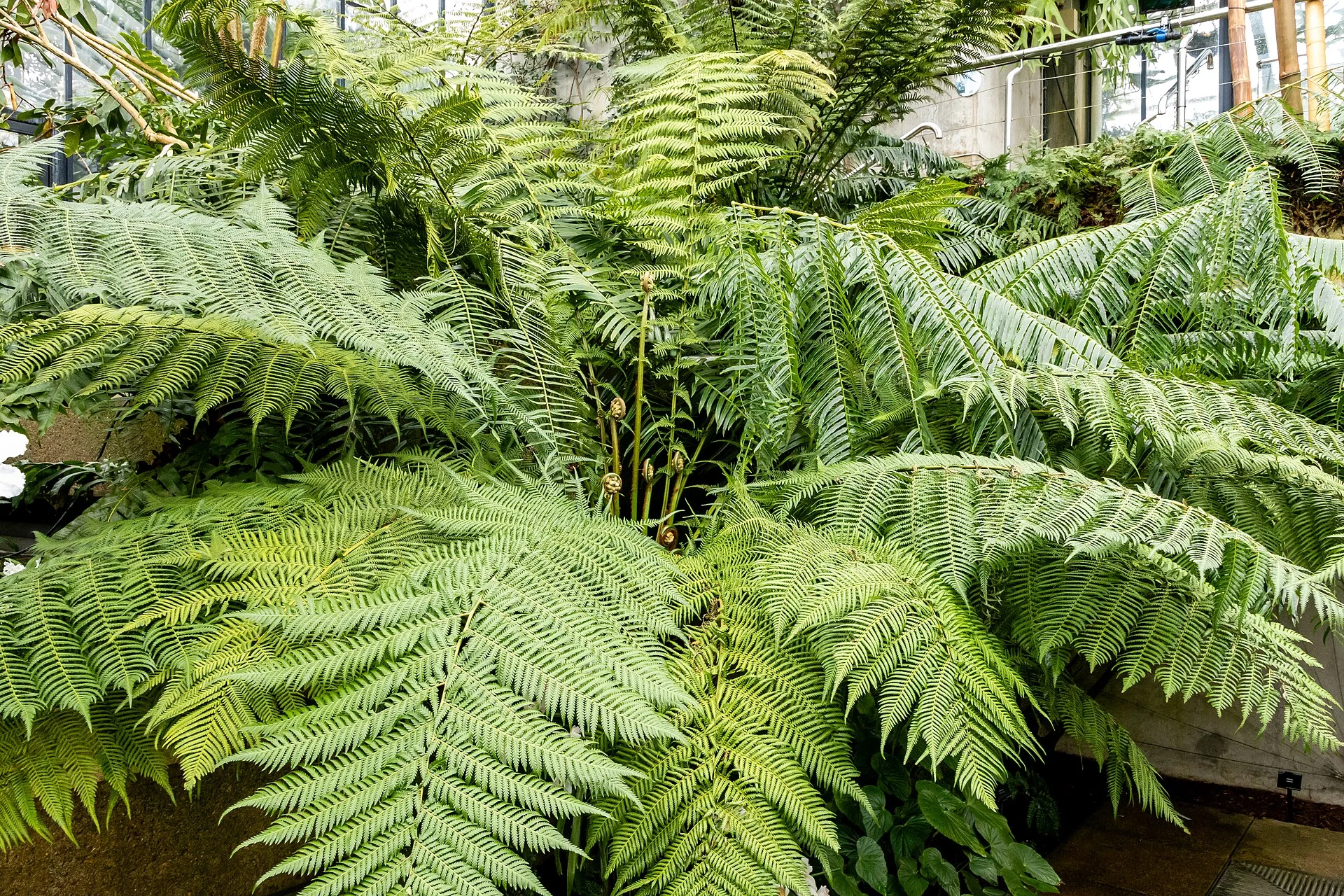
Fern fronds laid thick, veins glowing in the side light

Beneath the glass dome

The Palm House is one whole curved sheet of glass, iron ribs arching from the ground to the top, light falling through the grid into the room. Palms reach right up to the frame, the walkway loops among the trees, and the air is heavy, with moisture often clinging to the glass. Looking up at where the ribs meet is an easier way to remember the room than naming the trees.

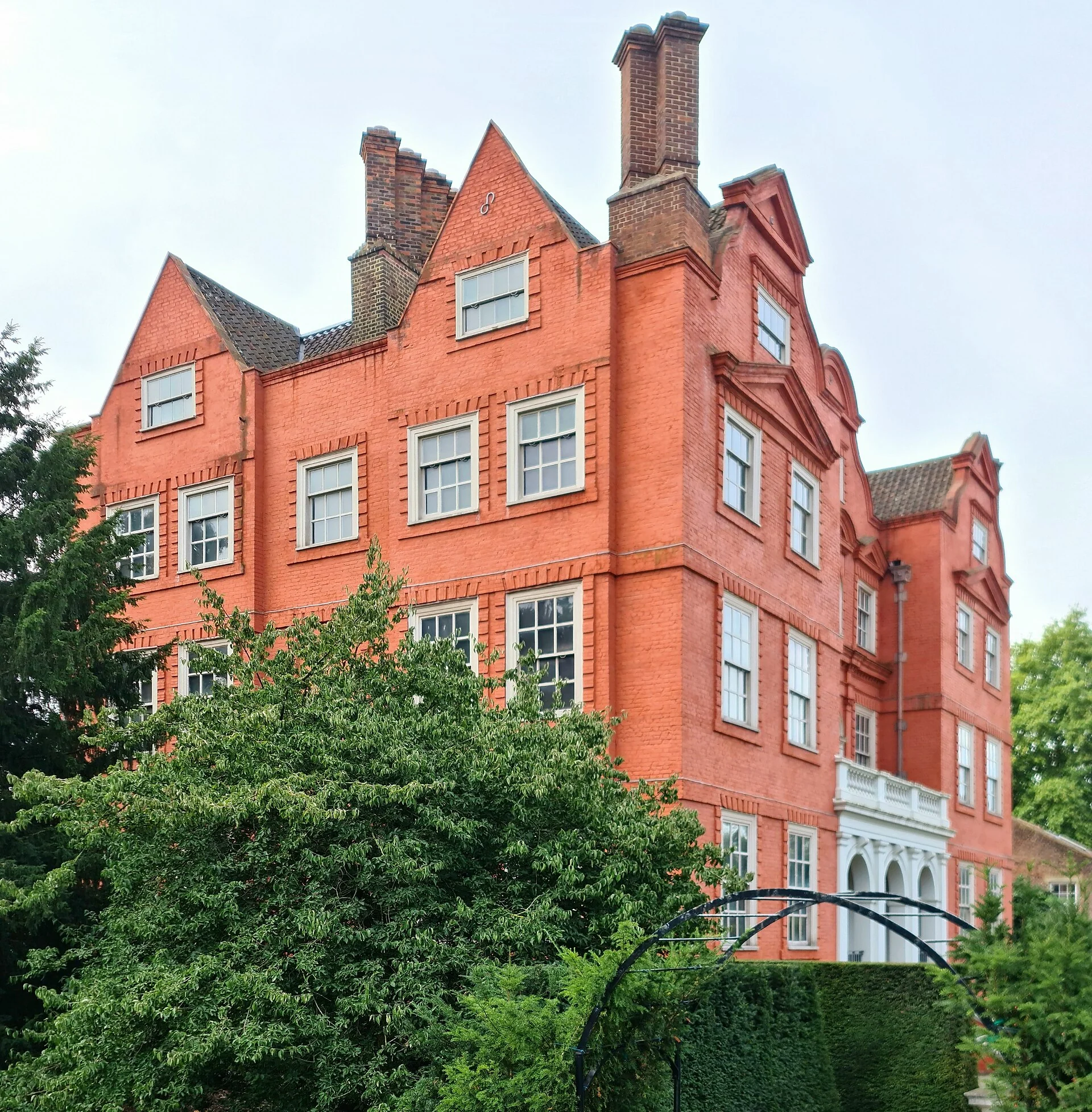
Red-brick palace gable and white window frames, tree canopy pressing on the eaves

The red-brick house behind the hedges

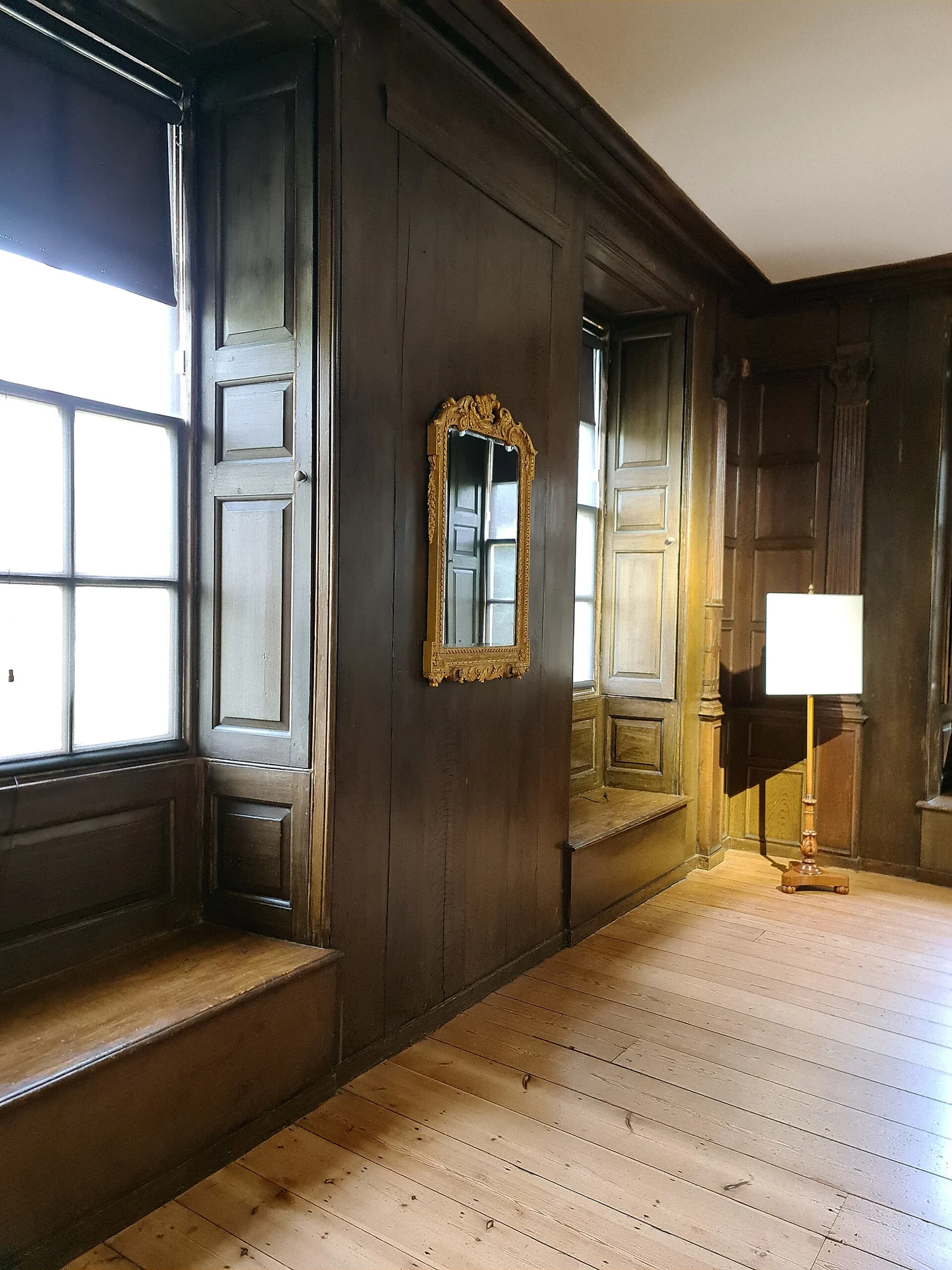
Kew Palace's walls are dark red brick, the window frames painted white, and the gables rise into peaks — nothing like the glass buildings of the same garden. Before it, low hedges trace a symmetric pattern, readable only from a few steps back. Inside remain dark wood panelling and narrow windows.

Interior with dark wood panelling, a narrow window letting light into the corridor

Leaves can be the subject too

In the fern rooms the light is kept low and the fronds spread leaf against leaf; at the other end the succulents arrange their thick leaves in a rosette, the edges glowing. Neither relies on flowers, carrying the picture with shape and texture — a good place to rest when tired.

Succulent thick leaves arranged in a rosette, leaf edges showing pale green
Route

A full day southwest of London

Don't put it on your flight day. Stay in London the night before, head out to the southwest the next day, and you'll still have energy for a riverside walk on the way back.

The garden is also a research institute

Kew lies in the Richmond area southwest of London, covering 132 hectares, and was inscribed as a World Heritage Site in 2003. The grounds also hold forty buildings of historic value, with glasshouses, a red-brick palace and stands of trees each in its own block.

It is at the same time a place for research on plants and fungi, funded by the UK's Department for Environment, Food and Rural Affairs. Its living collections exceed 27,000 taxa, alongside a set of specimens not on public display; the Millennium Seed Bank in Sussex, which holds seeds from nearly 40,000 plant species, also falls under it.

In 1976 a meeting at the garden led to a coordinating body tasked with tracking which threatened plants were already in cultivation and where. This work happens away from the glasshouses, yet it is one face of why the place is valued.
Glass and red brick

The Palm House arches a whole curved surface out of iron and glass, its skeleton following the curve. Inside it keeps the humidity and lets light in from all sides; the walkway loops beneath the trees, and overhead is a mesh of crossing lines.

Kew Palace is another matter. Dark red brick walls, white window frames, gabled peaks — its scale suits just one family, and the symmetric pattern in front is traced by low hedges. It is far quieter than the glass and easily walked past by those focused only on plants.

The garden also connects elsewhere: in 1923 Kew and the Forestry Commission built a conifer garden in Kent, and in 1994 it helped found the Yorkshire Arboretum trust. Kew Palace is just the most visible building in a much larger set of relationships.

From the glasshouse to the flowerbed

Enter the Palm House first. The skeleton overhead grids the sky; palms reach the frame and moisture clings to the glass; loop the walkway and, stepping out, your eyes take a moment to adjust to the brightness.

Then walk toward Kew Palace. The hedge pattern needs a few steps back to read, and the red brick jumps against the green. Inside, the panelling and small windows keep the old divisions, a different scale from the beds outside.

Finally find a place dense with leaves and sit a while. Ferns spread into deep green, while the thick leaves elsewhere form rosettes — neither relying on flowers. The ribs you looked up at in the glasshouse are now just a thin line beyond the window.

A full day for Richmond

Spend the morning in a few glasshouses, step out around midday for Kew Palace and the flowerbeds, then settle into a tree collection or a specialist garden in the afternoon; doing it all in a day isn't realistic, so pick two or three threads.

Time needed

A full day for two glasshouses, Kew Palace and a specialist garden; less if you pick only a few

On the day

A few glasshouses and interior rooms rotate closures; check notices for what's open

Getting around

Paths are level; the glasshouses have some steps and narrow walkways — split the route and rest

Season

Glasshouses are hot and humid year-round; outdoor beds shift with the season — check the light you want

Talk through my trip idea

If you're planning your London days, tell me whether you want half a day or a full day here, and whether anyone in your group moves slowly.

[email protected]

Read this page in Chinese

Discuss this journey