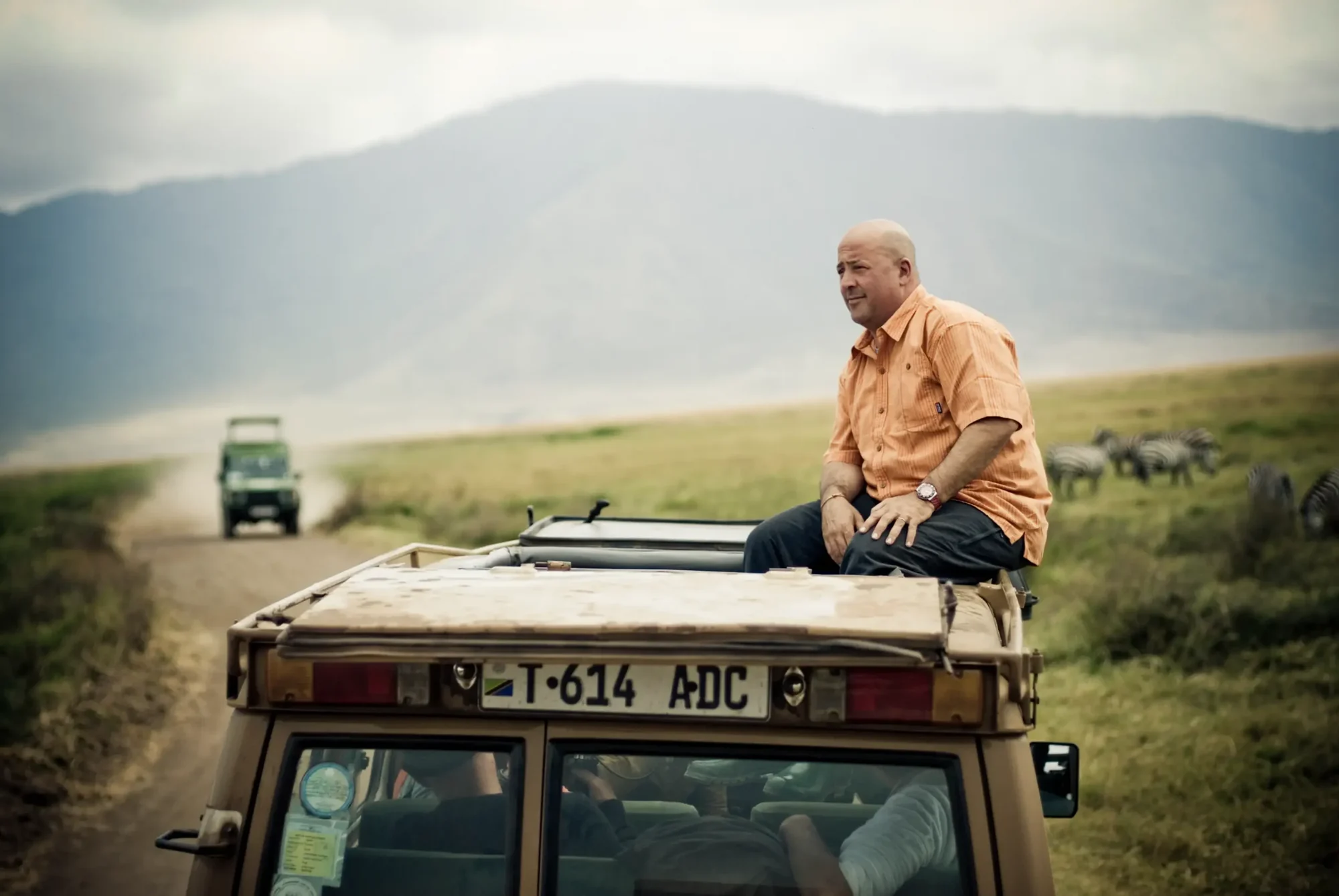
A traveller seated on the roof hatch of a safari vehicle, scanning flat grassland that runs to a pale horizon

Botswana, South Africa, Indian Ocean

Ker & Downey AfricaElephants from a boat, then a mokoro through the delta

A boat on the Chobe, watching elephants come down to drink. A mokoro pushed by a poler through the shallow channels of the Okavango. Then the white floor of the Makgadikgadi. The ten-day Botswana itinerary puts a river safari, a wetland camp and a salt pan in the same run of days.

The office is in Cape Town, and itineraries reach wildlife reserves, the city itself, Victoria Falls and the Indian Ocean islands. Dates, group and preferred activities decide which of those make the cut.

PlaceBotswana and Southern Africa
TypeSafari design
SuitsWildlife watchers, families
Stay10-16 nights

Ten days through Botswana, camp to camp

Botswana, South Africa, Indian Ocean — Africa tailor-made safari planner.

Best of Botswana Safari begins at Kasane, with the first three nights on the edge of Chobe National Park and days spent either in a four-wheel drive or on the water. It then flies to the Okavango Delta for three nights at Stanley's Camp, with mokoro trips and game drives, before moving to the Makgadikgadi pans and out through Maun airport on day ten.

For a longer route, the fourteen-day Southern Africa's Finest starts in Cape Town, continues through the Kapama private reserve in South Africa and Victoria Falls in Zimbabwe, then enters Botswana for Chobe and the Okavango. It is the same logic at a larger scale: one animal region handed off to the next.

It suits travellers with a clear target who will give a dozen or more nights to an animal-focused trip. It does not suit someone who wants to sit still in a single camp for a week: the multi-country machinery here exists precisely to move between regions, and it would be wasted.
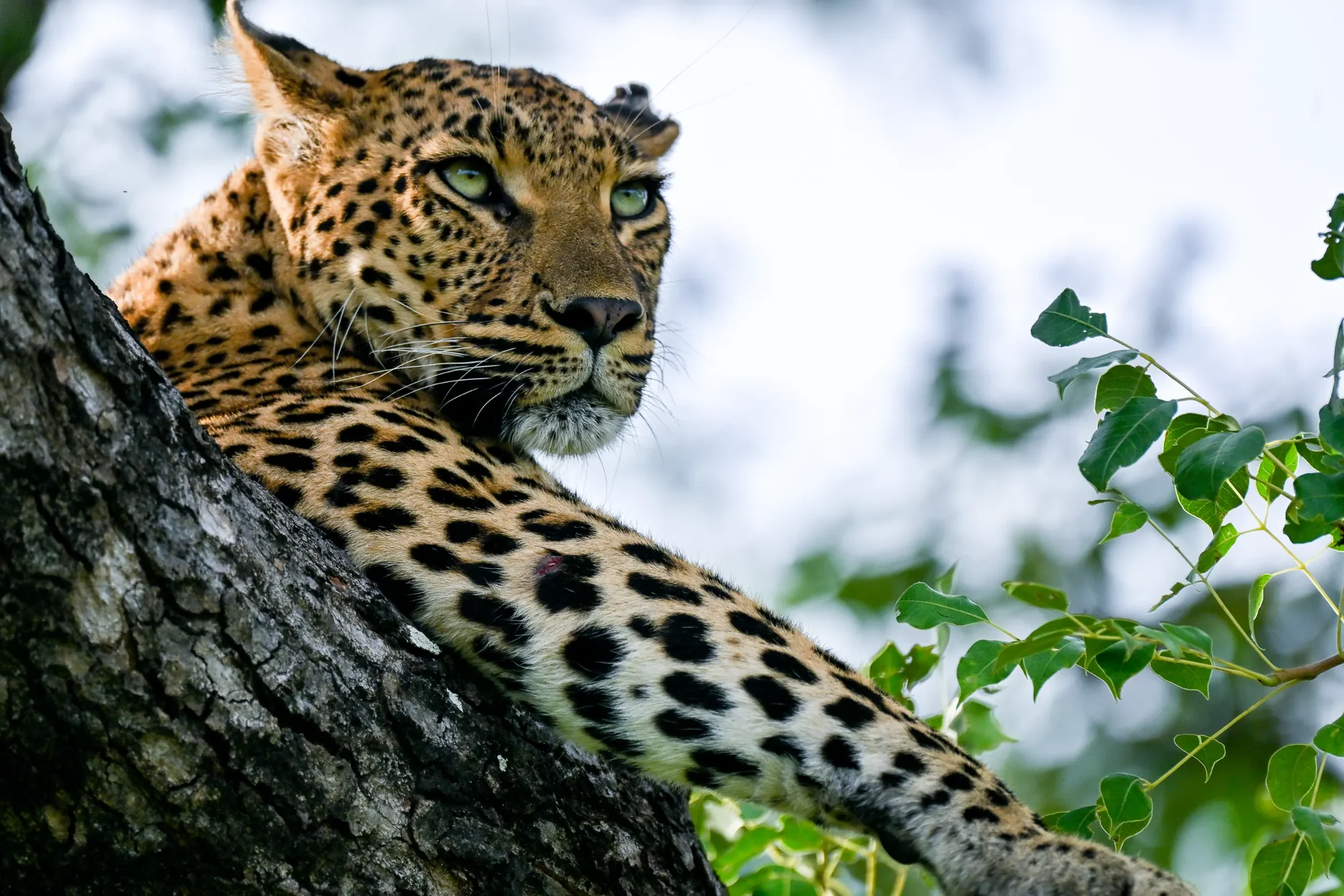
A leopard lying along a thick horizontal branch, head lowered, looking straight down at the camera
A leopard on a branch, looking down
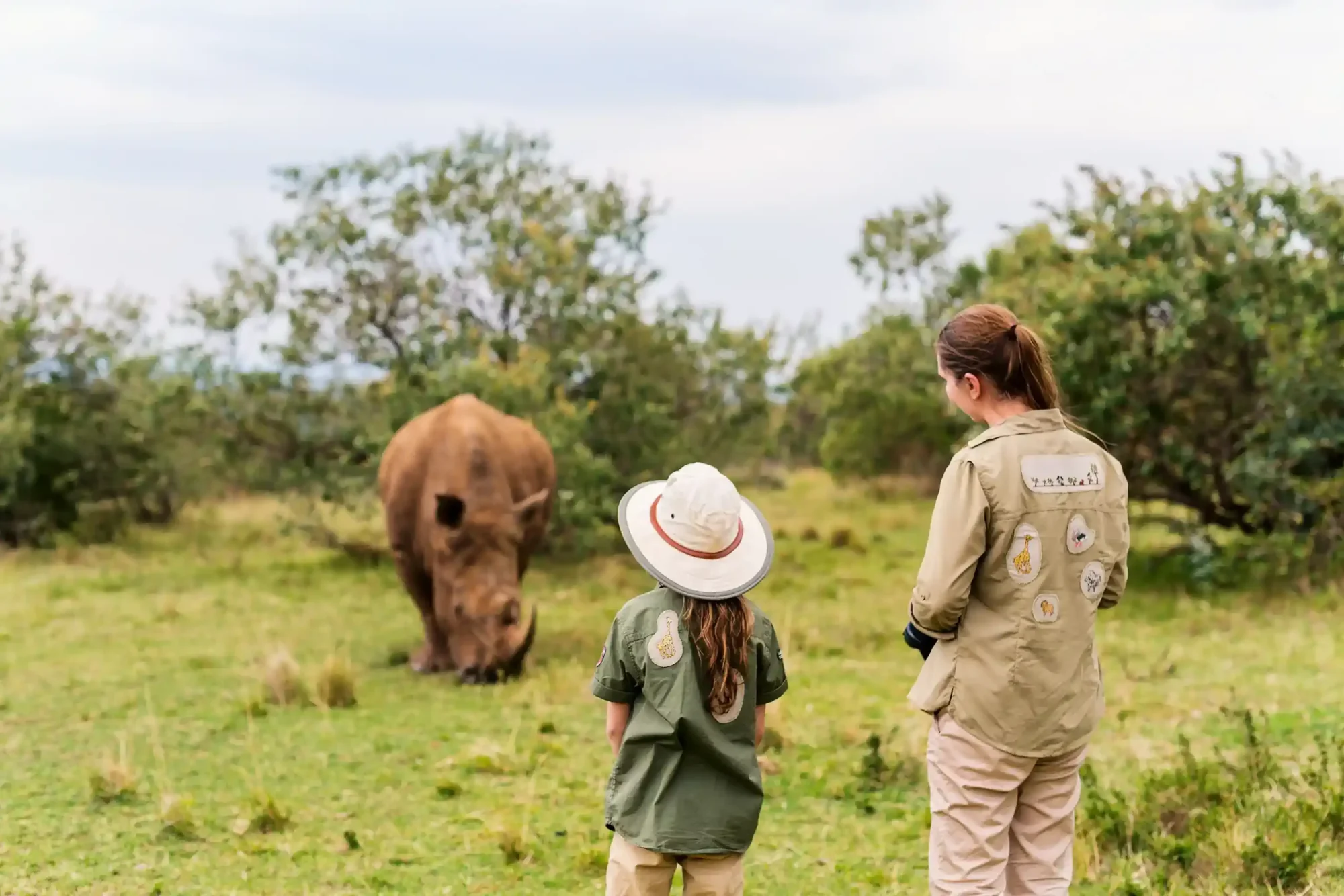
Two people standing on open grass a short distance from a grazing white rhino, vehicle behind them
Two travellers standing close to a rhino
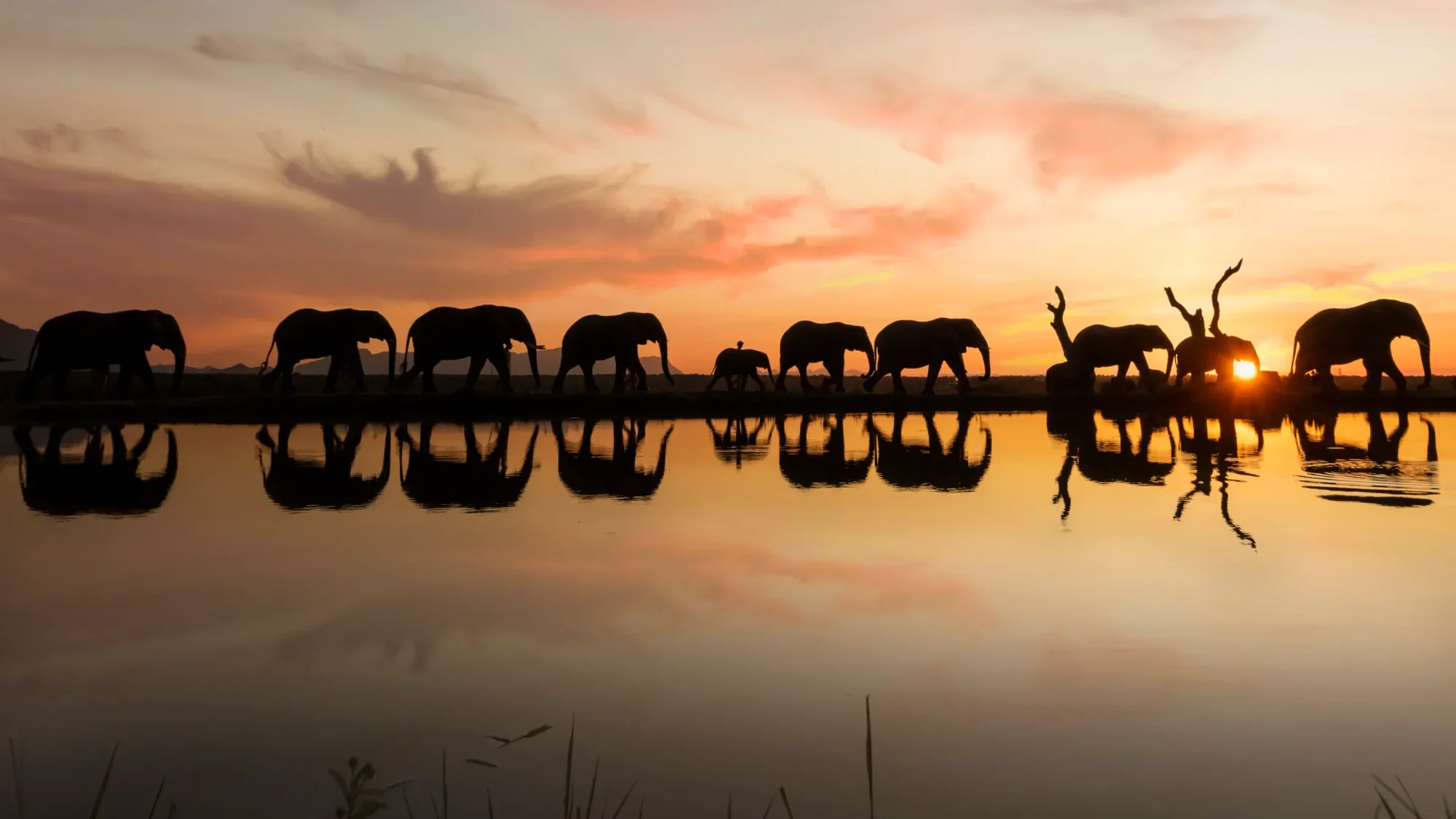
A line of elephants wading through shallow water, backlit by an orange sun low on the horizon

Choose the region by animal season

The migration, mountain gorillas, whales and the green season each keep their own window, and those windows sit in different countries. Fix the animal first, then the region, then the camps. Doing it the other way round is how people end up in the right country at the wrong month.

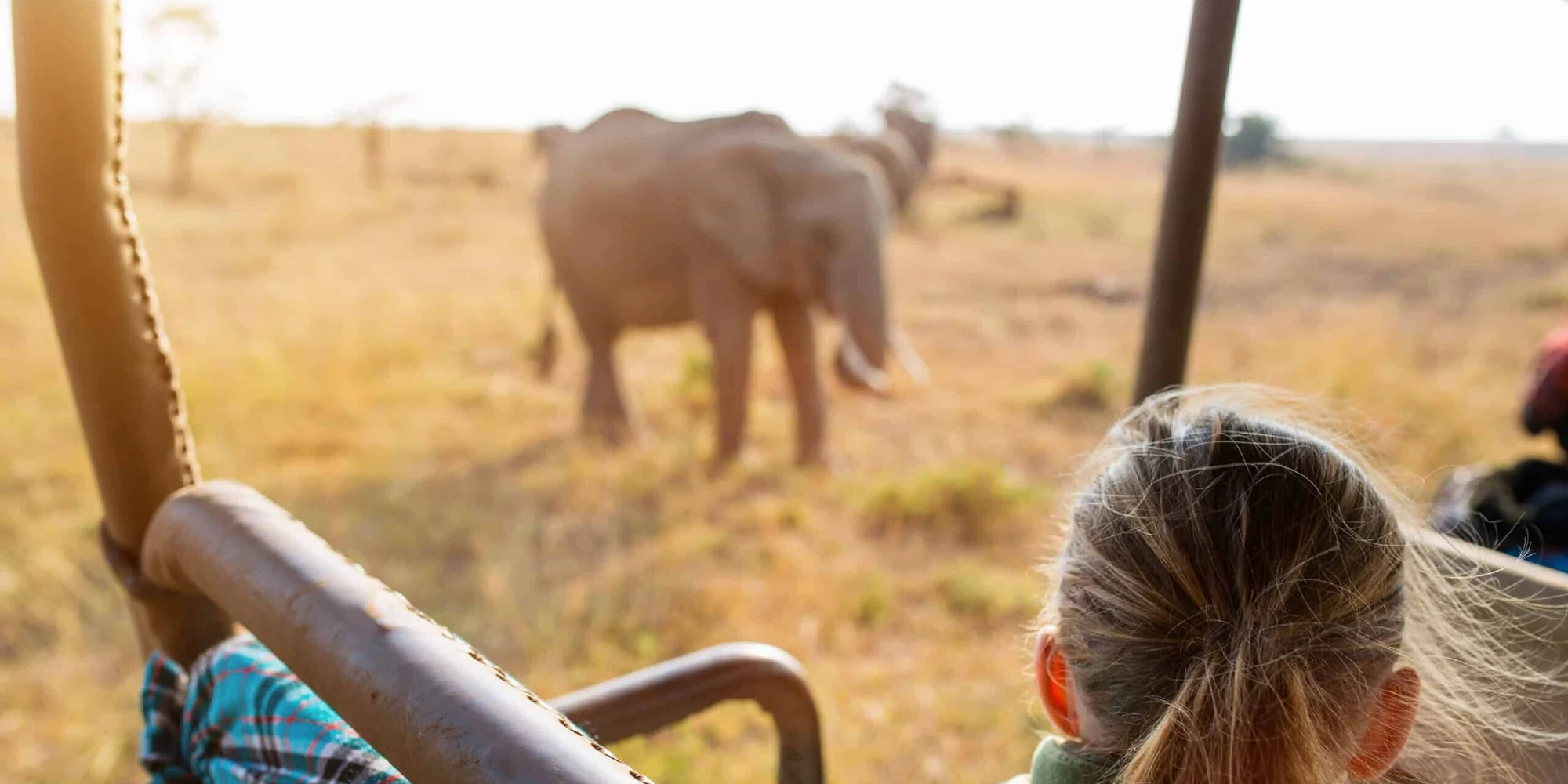
A group inside an open-sided vehicle watching elephants standing just beyond a wire fence

Light aircraft instead of long road days

Reserves sit far apart and the roads between them change with the rain. A charter turns a full day of driving into tens of minutes in the air, and it is often the only way to reach the deeper camps at all. Soft bags are the usual price of a small cabin.

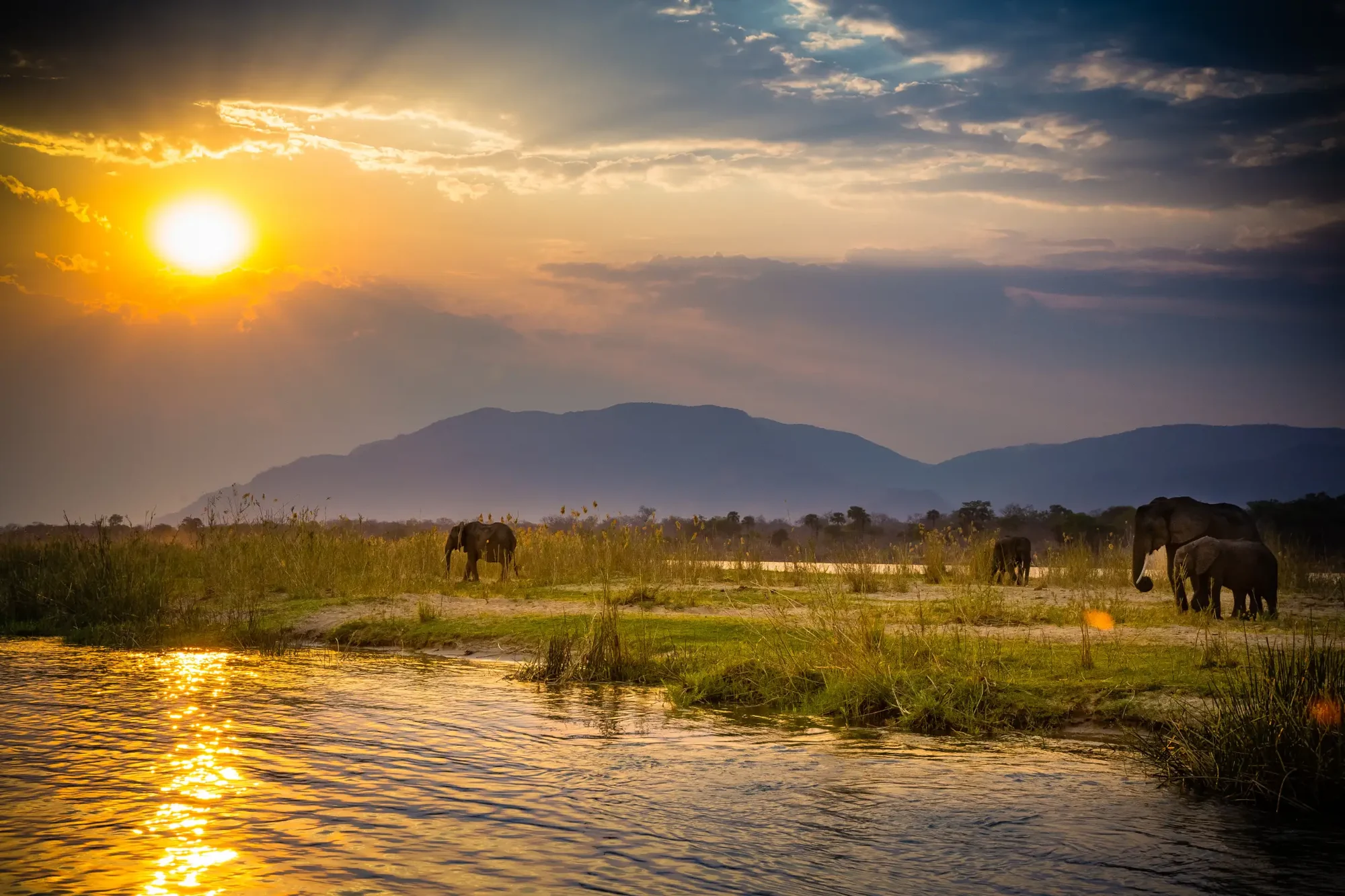
A still lake catching gold evening light, reed beds in front and open grassland stretching behind

Safari with an island on the end

After the last game drive, a flight to the Indian Ocean puts rest at the end of the trip instead of the beginning. It also builds in a buffer before the long-haul home, which matters when the international connection leaves from a different city than the one you flew into.

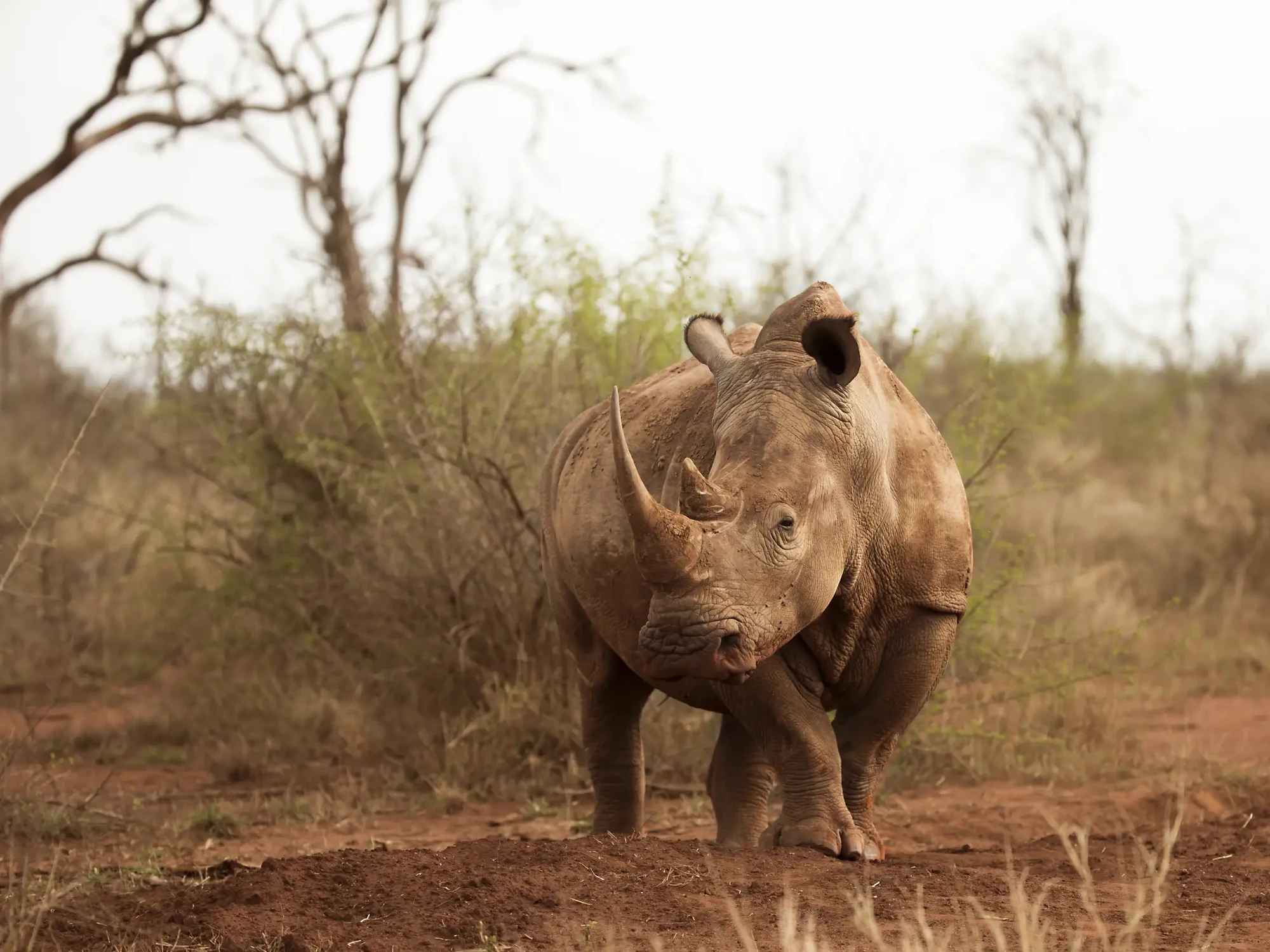
A grey rhino walking left to right through dry thorn scrub, head low, dust around its feet
Route

Ten to sixteen nights, animals first

Trips here usually start from one target: a migration, a primate, a desert or an island. From that, ten to sixteen nights get built as a run of safari and rest. Three nights minimum in each safari area is the working rule, and two reserves plus an island usually wants twelve to sixteen in total.

Laying out a ten-to-sixteen-night safari

Every region wants three nights. Count the flights before you count the camps.

Stay

At least three nights in each safari area. Joining two reserves with an island usually needs twelve to sixteen nights in total.

Getting there

Entry is through Nairobi, Kilimanjaro, Johannesburg or Cape Town, then light aircraft and four-wheel drives connect to the camps according to where they sit.

Season

The month changes where the migration is, how the grass stands, which roads hold and what the sea is doing. Pick the region to follow the animal you came for.

Watch out

Light aircraft often restrict soft luggage. Multi-country routes also need visas, vaccinations and, for minors, paperwork checked country by country.

Plan this into a journey

Name the animal and the month. The camps, the charters and the island slot in behind that.

[email protected]

Read this page in Chinese

Discuss this journey