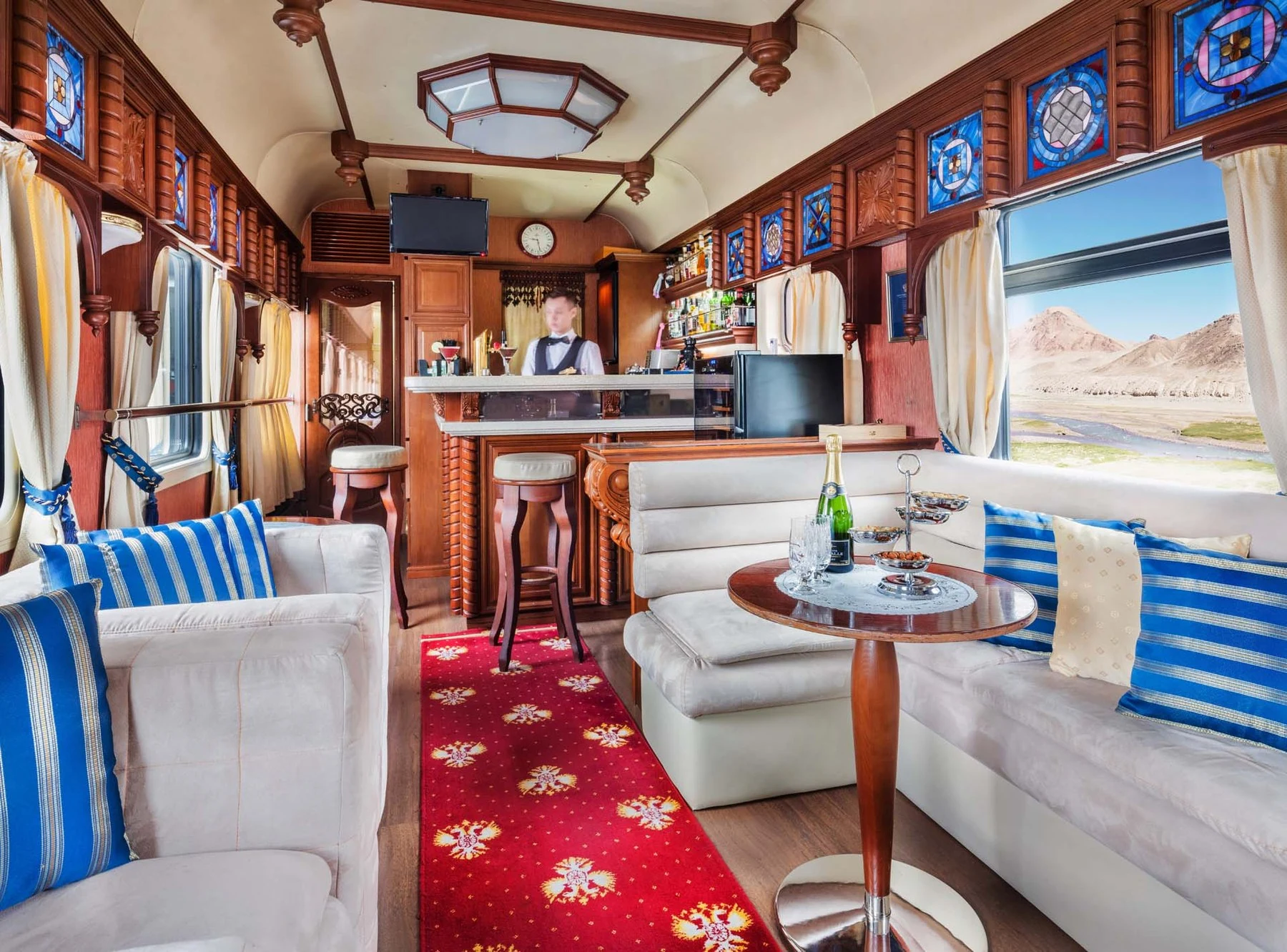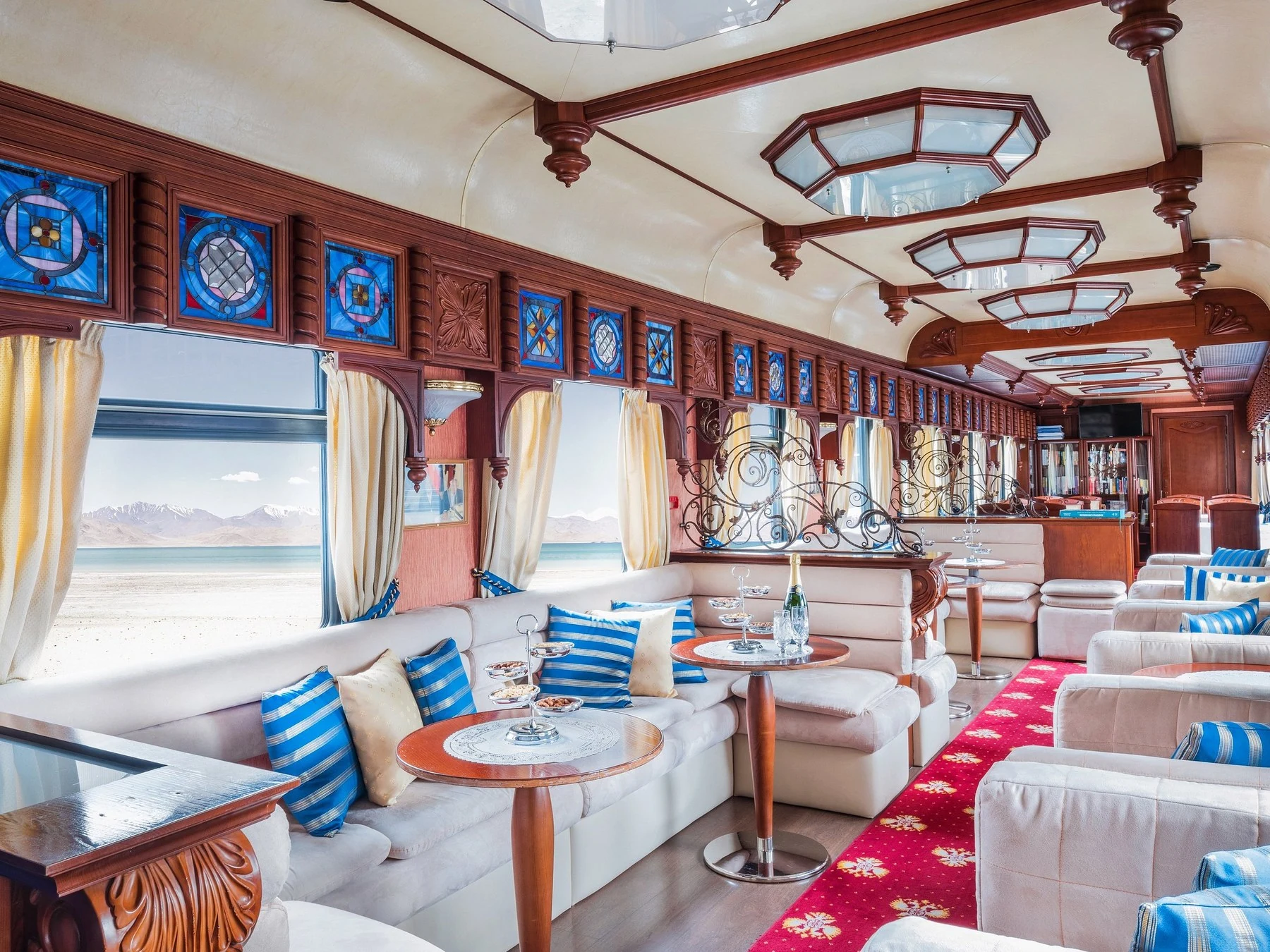
A lounge car with warm wood panelling, deep armchairs and small side tables, lamps lit against the window light

Europe and Central Asia

Golden Eagle Luxury TrainsDays in old cities, nights moving between them

Golden Eagle runs private sleeper trains on long routes through Europe, Central Asia and the Caucasus, with journeys lasting from a few days to several weeks. Your cabin travels with you. You leave it in the morning for a city, come back to the same compartment, and never change hotels.

Routes cover the Silk Road, Central Asia, the Caucasus and Europe. Start and end points move with the itinerary and with the year's schedule, so any route you read about belongs to one specific departure.

PlaceEurope and Central Asia
TypePrivate sleeper train
SuitsTwo-week rail journeys
Stay12–16 nights

One cabin, several countries, no repacking

Europe and Central Asia — Private sleeper train.

Journeys here run from a few days to several weeks. The cabin moves with you, so a day ends in the same bed it started from. Meals, sleeping space and city visits sit inside one booking, and the hotel changes that normally eat into a long trip drop away.

Pick the route by region and by time, not by the name. Central Asian cities, mountain crossings and European lines differ in distance and in what the borders demand. Two journeys with similar titles can cover different ground, so read the itinerary for the year you travel.

It suits people with about two weeks to give and a taste for rail and cross-border history. Visas and border conditions need starting early, before flights or anything else is locked in. Those requirements decide which departures are open to you. Treat the paperwork as the first booking.
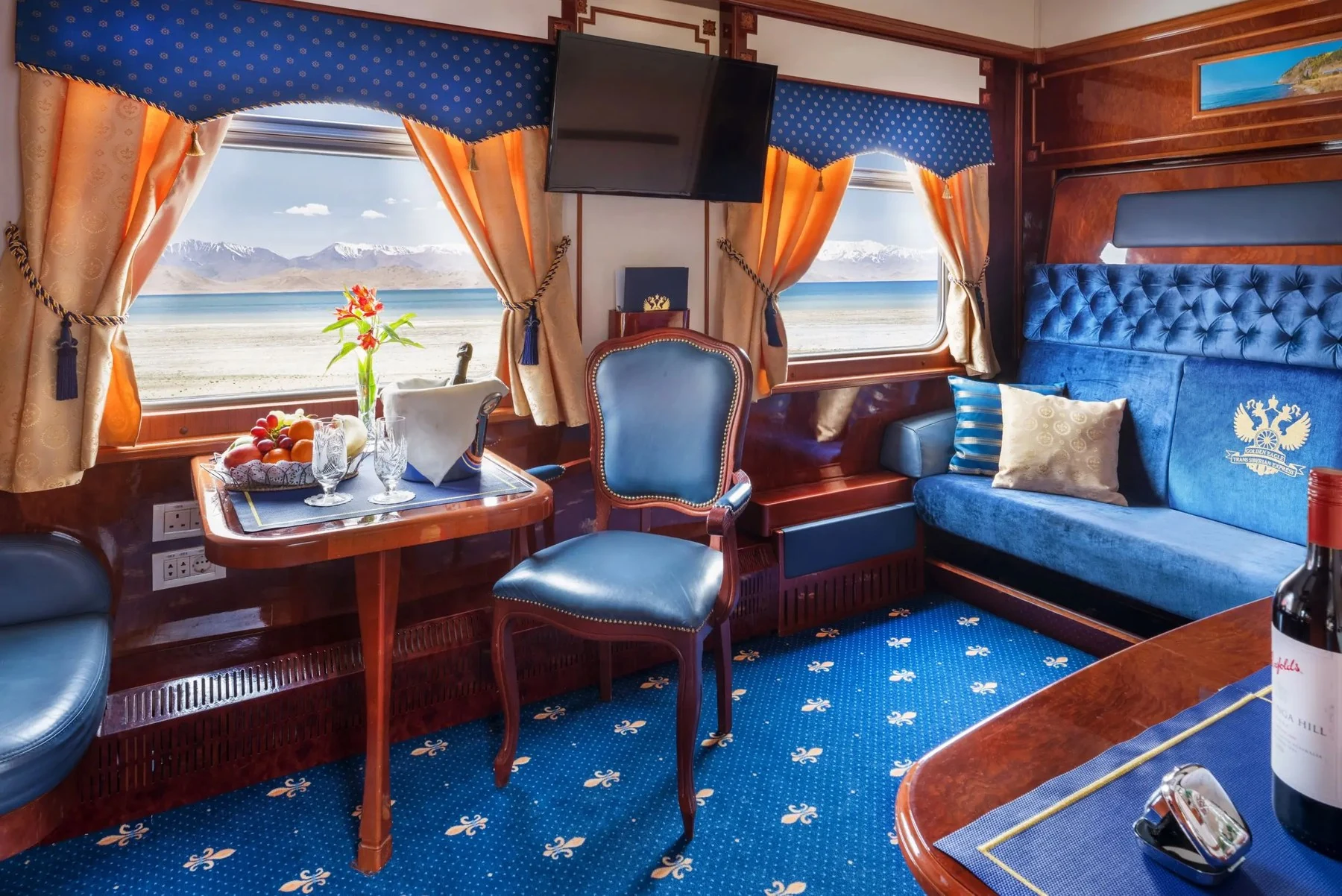
A sleeper compartment with two blue upholstered seats, a wide window and a folded table fixed beneath it
Blue seats in a compartment with a wide window
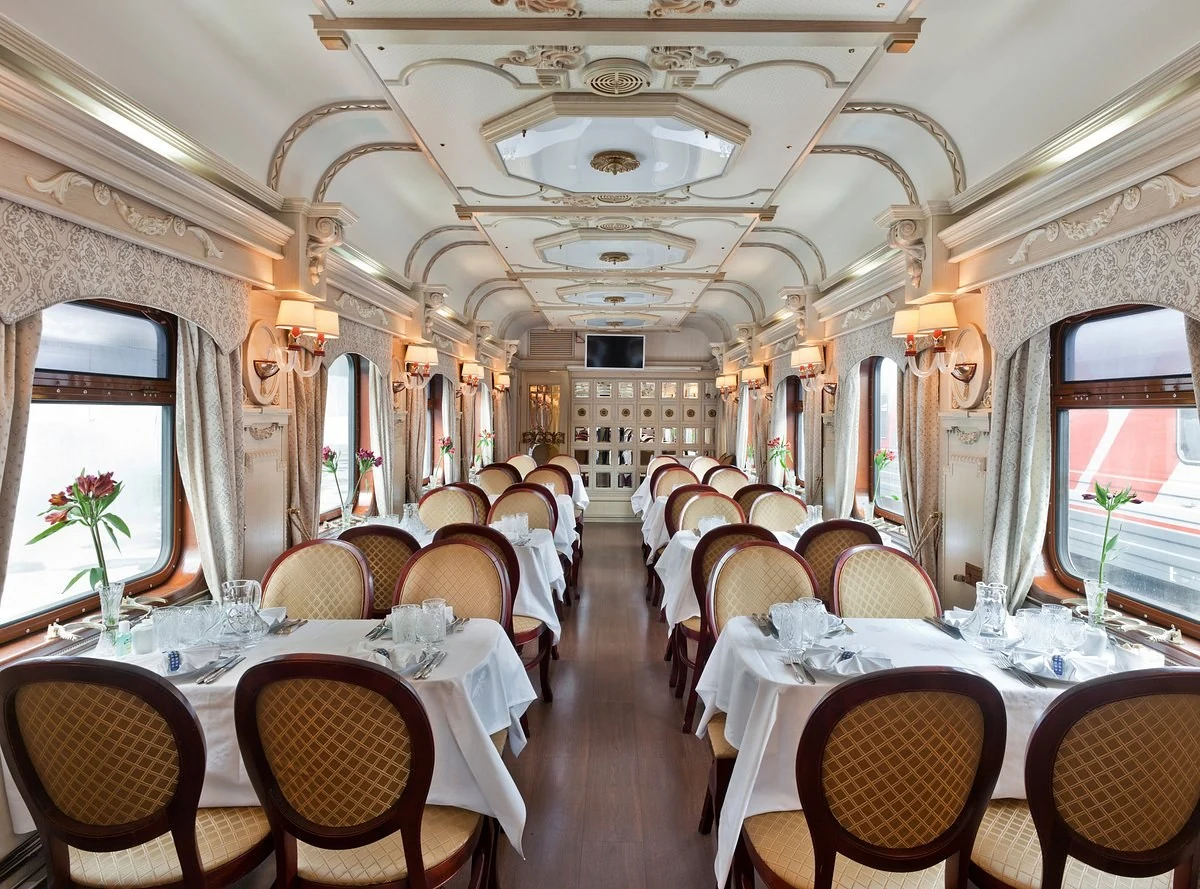
A dining car with a single long table running its length, chairs on both sides and white linen laid out
One long table down the middle of the diner
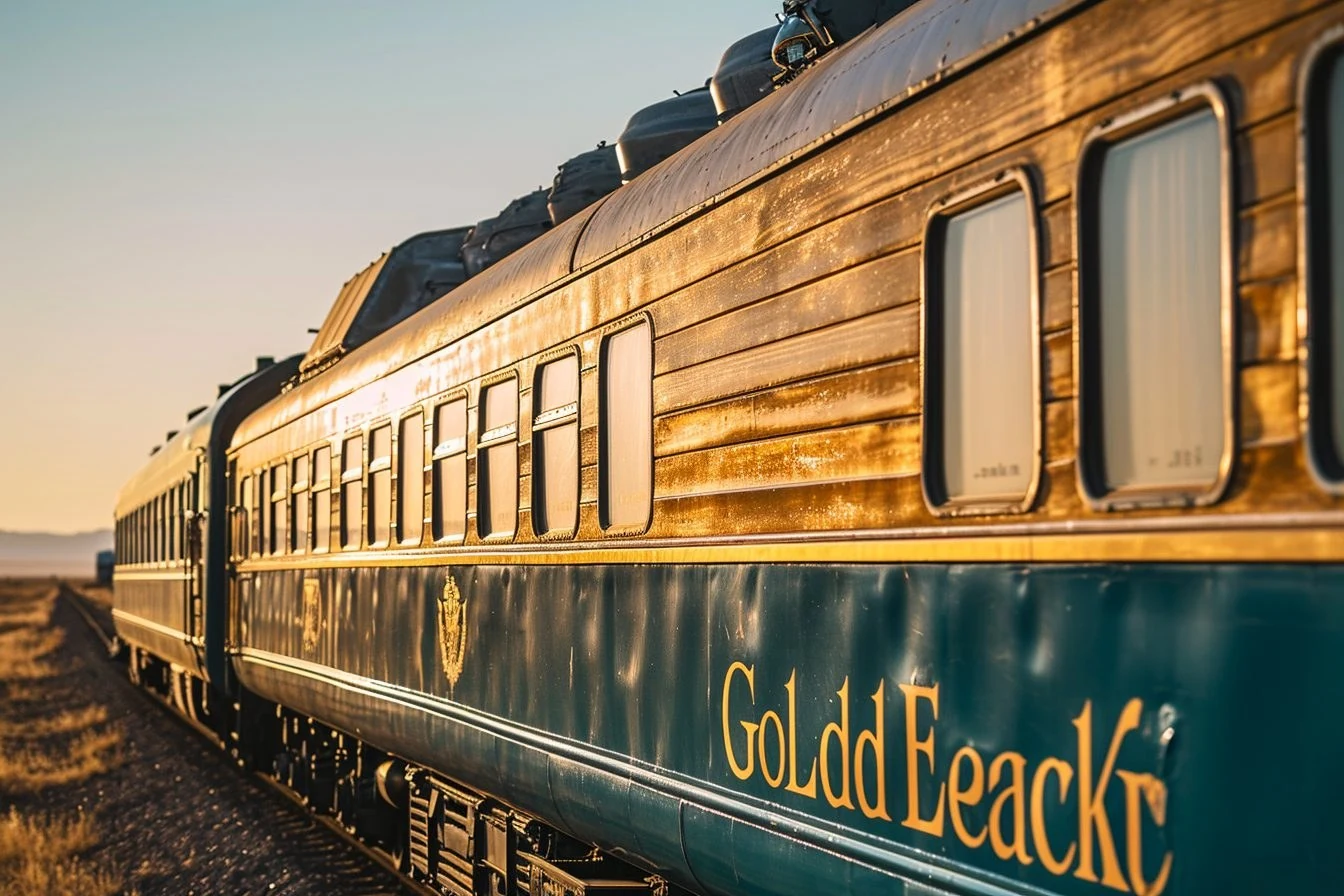
A gold-coloured train on open track at dusk, the last light on its side and a darkening plain behind

One cabin across several countries

The train is the accommodation. You sleep in the same compartment for the length of the journey, wake up somewhere new, and leave the unpacking behind after the first evening. Fewer lobby check-ins means more of the trip goes to places rather than to logistics.

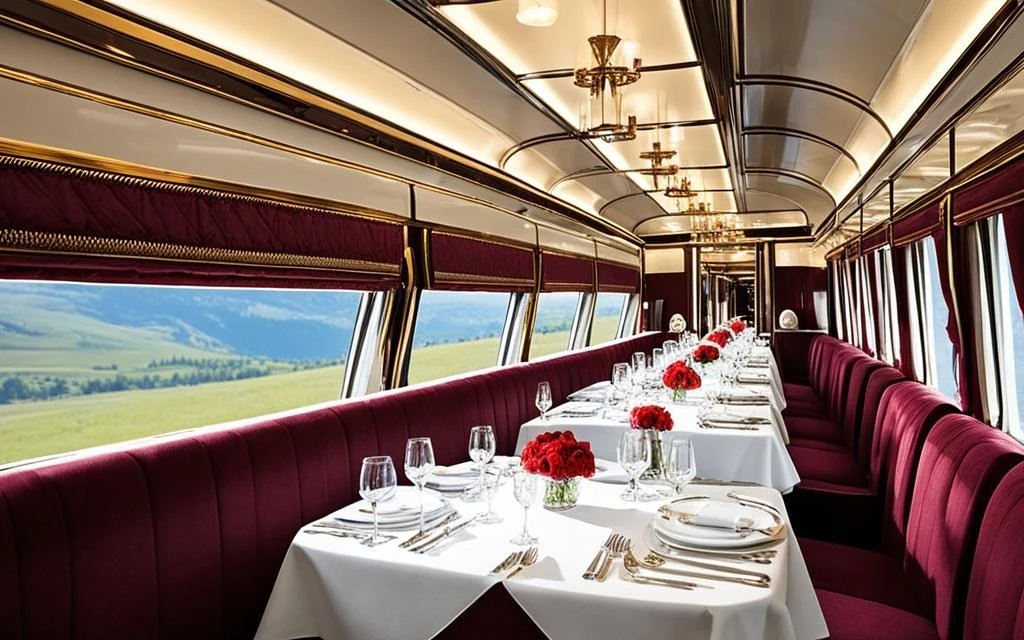
A table set with a white cloth, glasses and cutlery beside a carriage window, landscape blurred beyond the glass

Samarkand, Bukhara, or a Caucasus town

Depending on the route, the train stops for Samarkand, Bukhara or one of the old cities of the Caucasus. The walking is guided and the days are long, but the aim is to connect what passed the window to the buildings and streets in front of you.

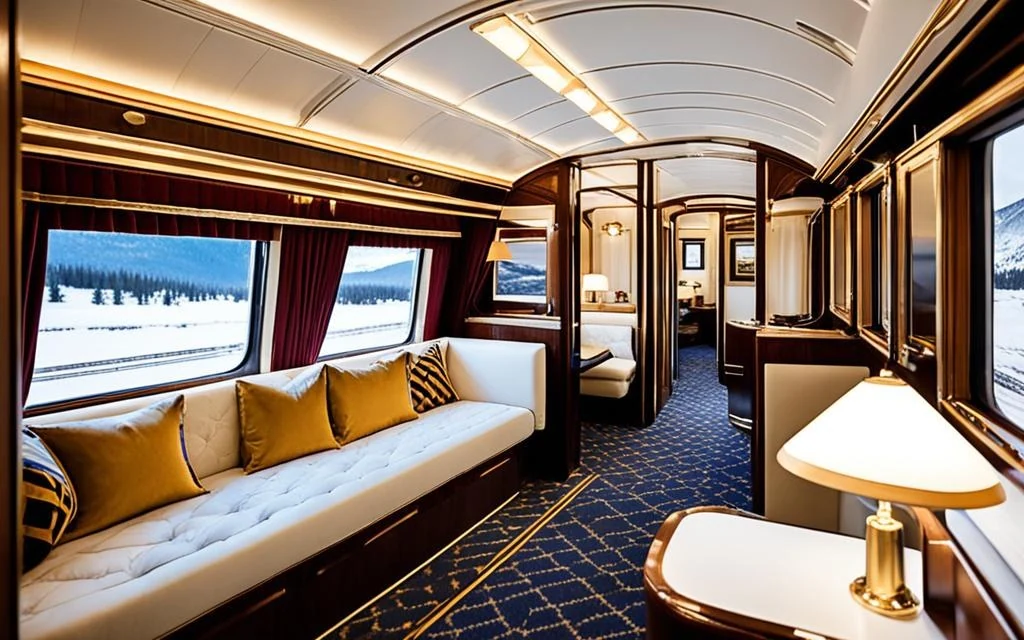
A suite with a small sofa, a low table in front of it and a lamp on a side cabinet, wood panels behind

Watching the ground change for hours

Steppe turns to desert, desert to mountain, and the change takes hours rather than one announcement. That distance is what flying erases. It also means long stretches in your seat, which is why the right route is one you would genuinely enjoy watching. Choose the route accordingly.

An observation car lined with blue and white cushions along the windows, passengers seated facing the view
Route

The long line is the trip, not a segment

Twelve to sixteen days is the main event, not a leg of something larger. Add two nights in the city where you join and two where you finish, so a delayed flight cannot cost you the boarding morning. The buffer also gives you a day to recover.

Giving a two-week rail journey its edges

Most classic routes run twelve to sixteen nights. Settle the departure first, then add the flight buffers at both ends of the trip.

Stay

Most classic routes run about twelve to sixteen nights, with international flight buffers on top. Treat the rail journey as the trip and the flights as transport.

Getting there

You gather at a hotel in the named start city and board from there. Visas, luggage rules and cross-border paperwork are confirmed item by item for your route.

Season

Departures are fixed for each Silk Road, Central Asia, Caucasus or Europe route. Border conditions can shift the annual schedule, so check the year you travel.

Watch out

Visas, border policy and route changes are governed by the notice you get before departure. Do not assume this year's running matches an older route report.

Plan this into a journey

The rail journey sets its own dates. The two nights at each end, and the border paperwork in between, are what a workable plan actually solves.

[email protected]

Read this page in Chinese

Discuss this journey