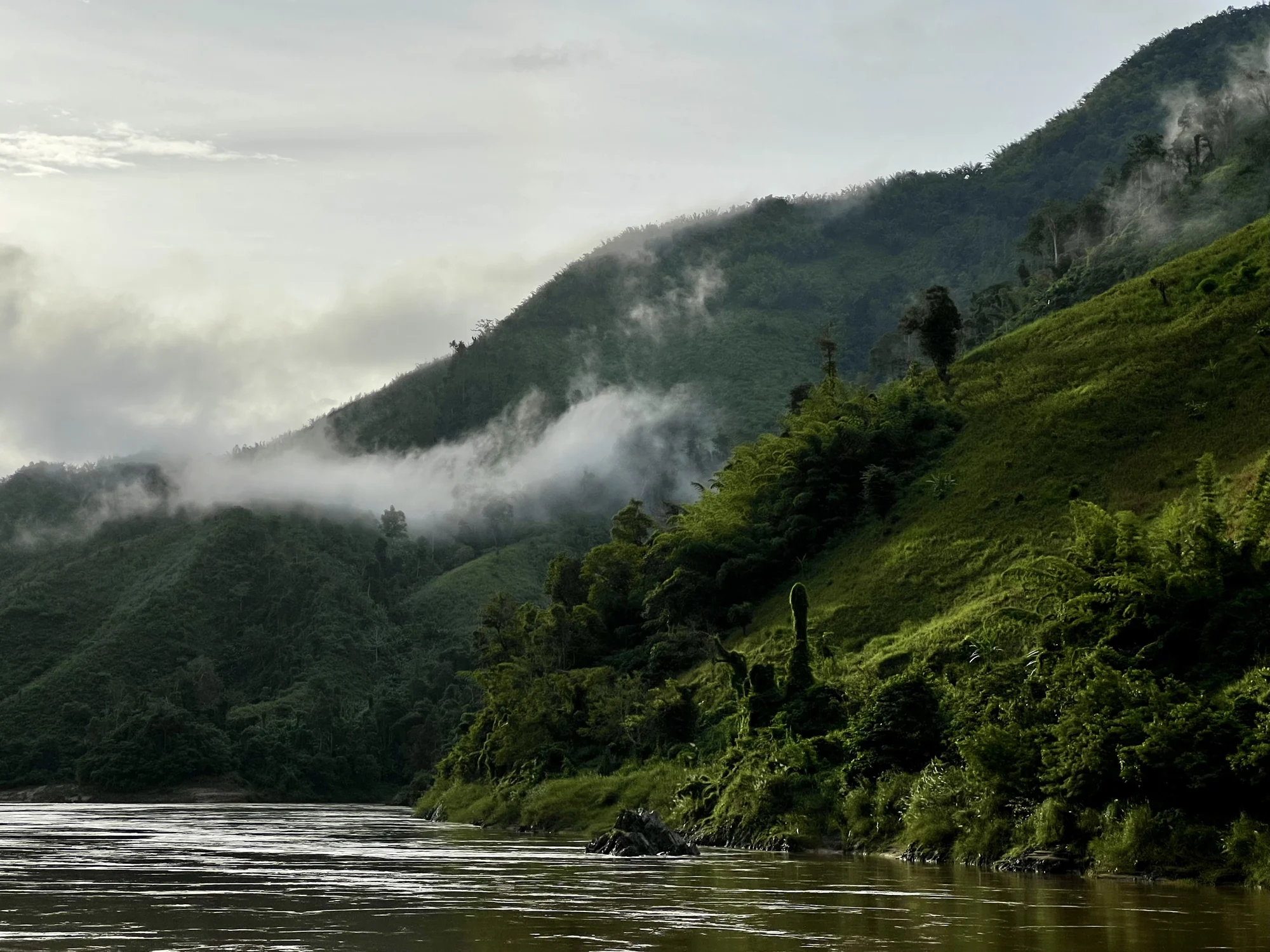
A pale river curving between dark forested banks, low cloud sitting on the slopes and hiding the ridgeline

Central Asia, the Himalaya, Africa

GeoExLong land routes into regions few itineraries reach

GeoEx has run cultural and natural trips through Central Asia, the Himalaya and Africa for decades, in places where the road is long and the tourism thin. Its Uzbekistan private route links Khiva, Bukhara and Samarkand, then steps off the monuments into workshops, markets and a family kitchen.

Coverage centres on Central Asia, the Himalaya, Africa and cultural regions that mainstream travel rarely enters. Routes usually mean long days overland, nights in camps, or walking at altitude.

PlaceCentral Asia and Himalaya
TypeCultural expeditions
SuitsCulture, archaeology, trekking
Stay10-16 nights

Monuments in the morning, a family kitchen by afternoon

Central Asia, the Himalaya, Africa — Remote cultural expedition operator.

The Ancient Cities of Uzbekistan private route makes the case. Khiva's walls, the old city of Bukhara and Samarkand show three different kinds of Silk Road urban space, each built to a different logic and each asking for a different way of walking through it. Put together, they read as a sequence rather than three stops on a list.

The public itinerary opens in Tashkent at the Khast-Imam complex, Independence Square and the Museum of Applied Arts, then flies west to Nukus for the Karakalpakstan art collections. Those early stops supply context the older cities cannot: a working capital, a Soviet-era grid, a collection assembled far from any court.

Workshops, bazaars and lunch with a family of suzani embroiderers keep the buildings attached to people still living around them. The route also introduces plov and shivit oshi, the dill noodle dish. On private departures, which visits actually happen is confirmed against your dates, so ask rather than assume.
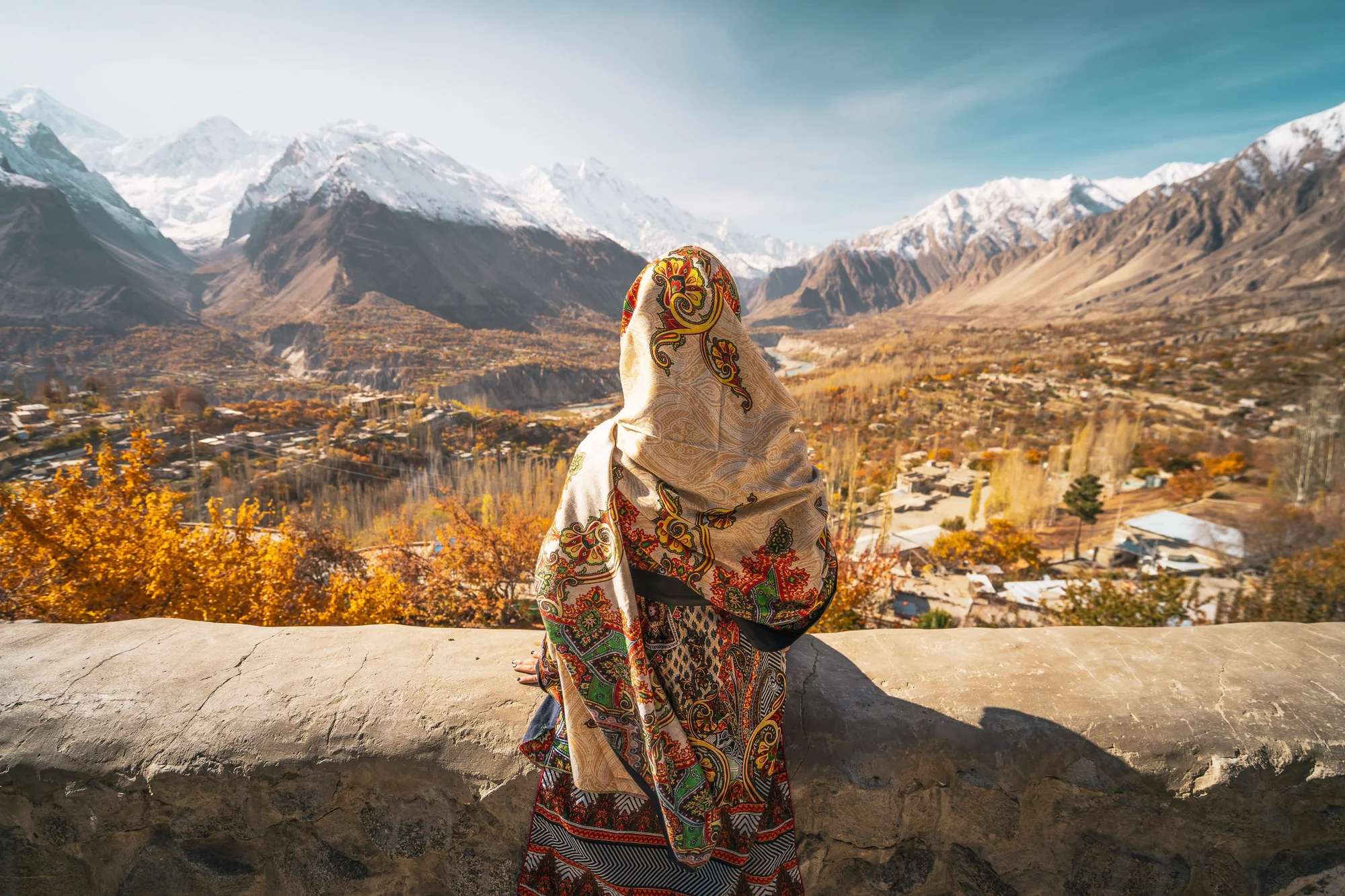
Three travellers with daypacks standing on a grassy shoulder, looking down into a valley of yellow and orange larch
Travellers stopped above a valley in autumn colour
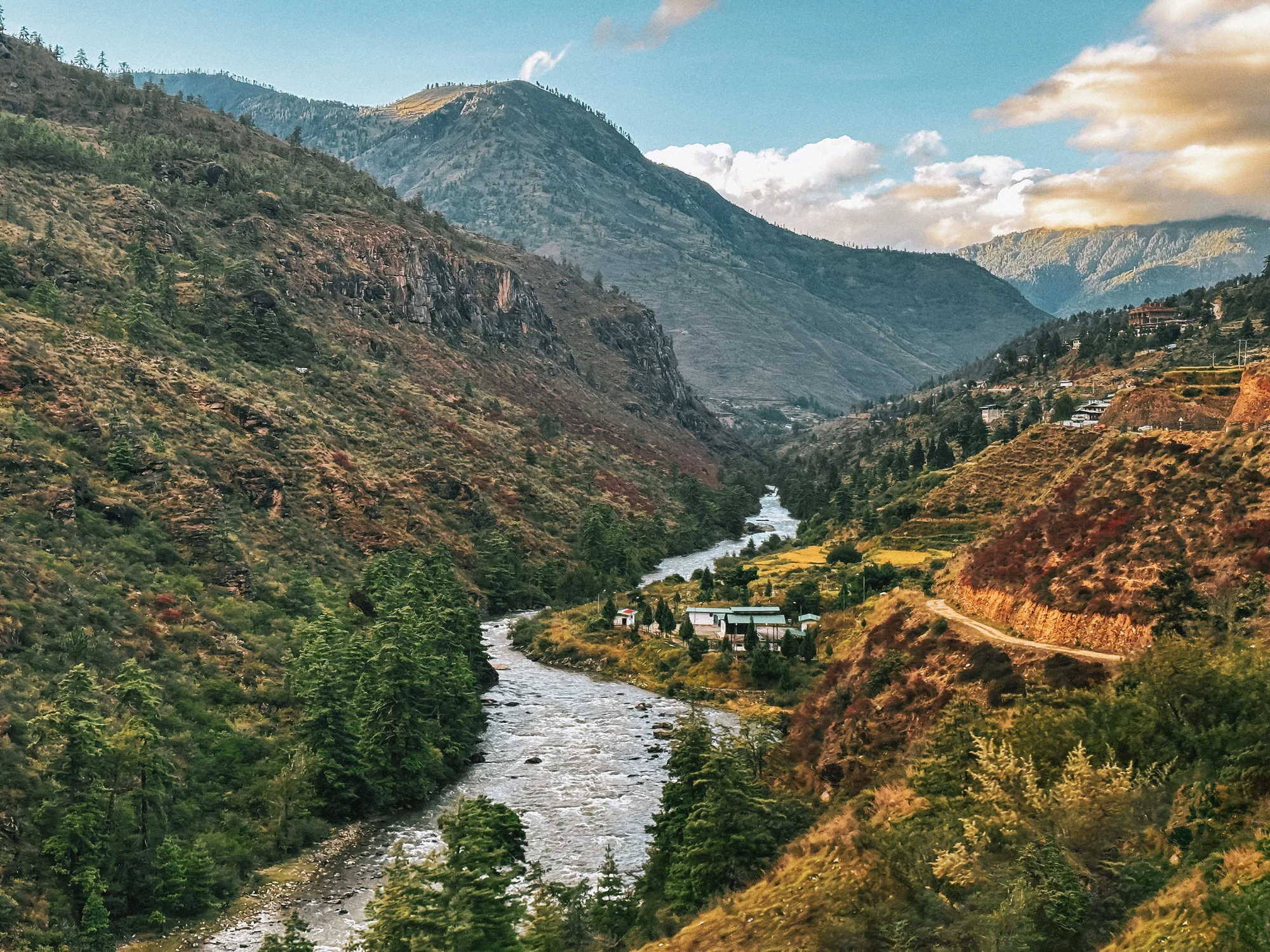
A shallow stream splitting into several channels across a broad gravel valley floor, hills rising on both sides
A stream braiding across a wide valley floor
A steep coastal hillside with a flight of painted red steps cut into it, sea visible at the lower left

Regions off the standard circuit

Central Asia, the Caucasus and remote mountain ranges have been the long-standing focus, and the itineraries show it. These are places where a single road may be the only way in, where a border can open or close a route, and where the reward is a valley or a town that has not been arranged for visitors.

A man in a heavy coat holding a small lamb against his chest, stone wall and open hillside behind him

Pace set by people who know the ground

Cultural visits, walking and transport are combined according to conditions on the day. A regional specialist reads the situation: whether a pass is clear, whether a market is worth an extra hour, whether the group needs a slow morning after a long drive. The schedule has slack built into it for exactly that.

A dense city along a shoreline at sunset, low sun catching the facades and the water between buildings

Permits, charters and border crossings

Visas, special permits, internal charters and the joins between one country and the next get handled by a team that does this repeatedly. On a route crossing several borders, the difficult part is rarely any single leg. It is the handover between them, and whether the vehicle is waiting on the far side.

Narrow terraced fields stacked in steps up a hillside, a cluster of flat-roofed houses at the base
Route

One hard destination as the spine of the whole trip

This works best when a difficult destination becomes the main axis of the trip and everything else is arranged around it. Accept the transit hours and the changes on the ground, and give the cultural visits and the walking enough days to breathe. Ten to sixteen nights is the usual shape.

Building ten to sixteen nights around one region

Altitude and distance set the schedule here, not the number of sights. Add days before you add stops.

Stay

Most remote-region routes run ten to sixteen nights. Where altitude is involved, add acclimatisation days; do not compress the trip to fit in more sights.

Getting there

Meet the leader in the regional gateway city, then continue by domestic flight, four-wheel drive or on foot. Keep at least one buffer night before the meeting point.

Season

Dates avoid high passes closed by snow, extreme temperatures and the main rainy seasons, and are set around border openings and local festivals.

Watch out

Visas, permits, medical preparation and evacuation options matter as much as the itinerary. Read the kit and health requirements for the actual route before booking.

Plan this into a journey

Pick the region first and the route follows. Dates then decide which valleys, markets and borders are actually open.

[email protected]

Read this page in Chinese

Discuss this journey