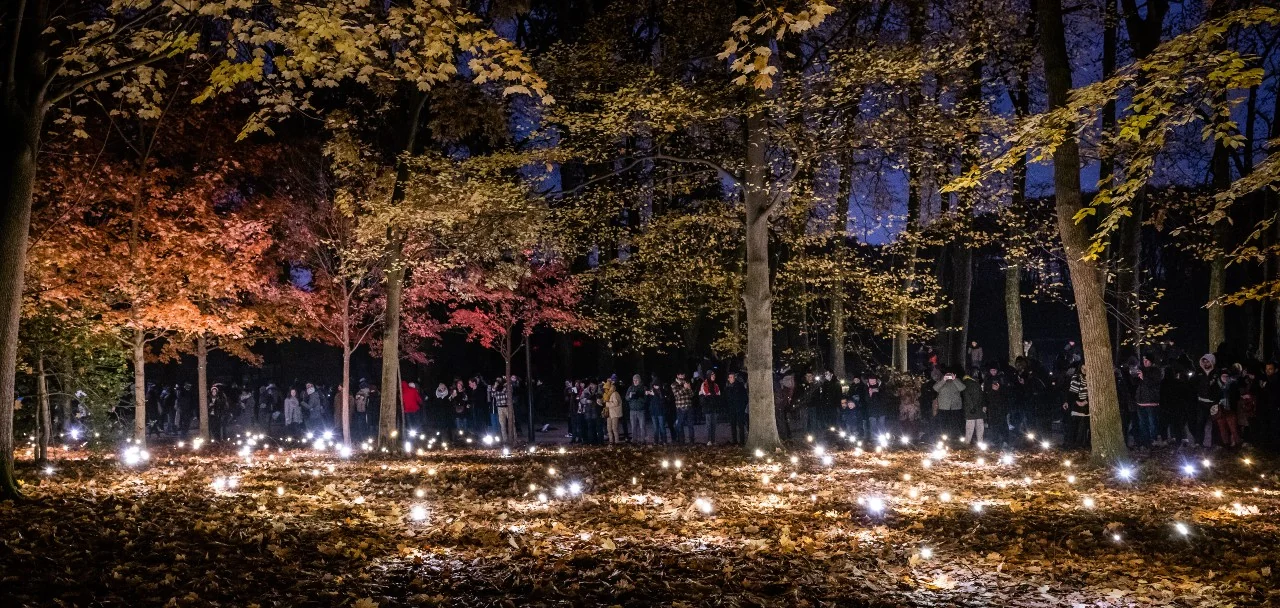
A row of trees lit gold at night

Lyon, France

Fête des LumièresFour December nights, the city alight

A row of trees dyed gold in the night, with people standing beneath them.

The installations scatter across Lyon's old town, the peninsula and the Fourviere hill; squares, bridges and both riverbanks count as venues.

PlaceLyon, France
TypeCity light festival
SuitsThose willing to walk a night route in December and wait in crowds

Four nights of one city

Lyon, France — City light festival.

Four nights.

The official history page places the origin in 1852. A Virgin statue on Fourviere was due to be unveiled on 9 September, but the Saone flooded sculptor Fabisch's workshop and the date moved to 8 December; that day brought a storm too, the official ceremony was cancelled, and at nightfall the sky cleared — Lyonnais set lit candles on their windowsills and balconies, and kept doing so year after year.

In 1989 Lyon set its first Plan Lumiere; the official site calls it the first European city to do so, bringing bridges, squares, banks and both rivers into a lighting plan. Only in 1999 did today's four-night festival, with installations laid along a route, begin.
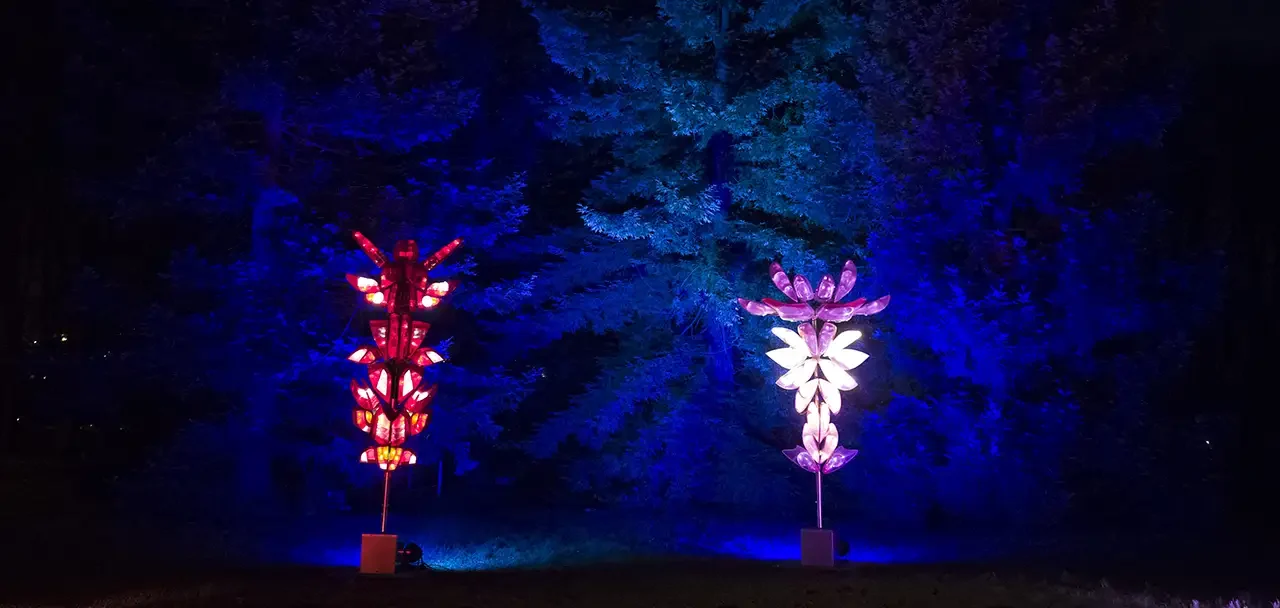
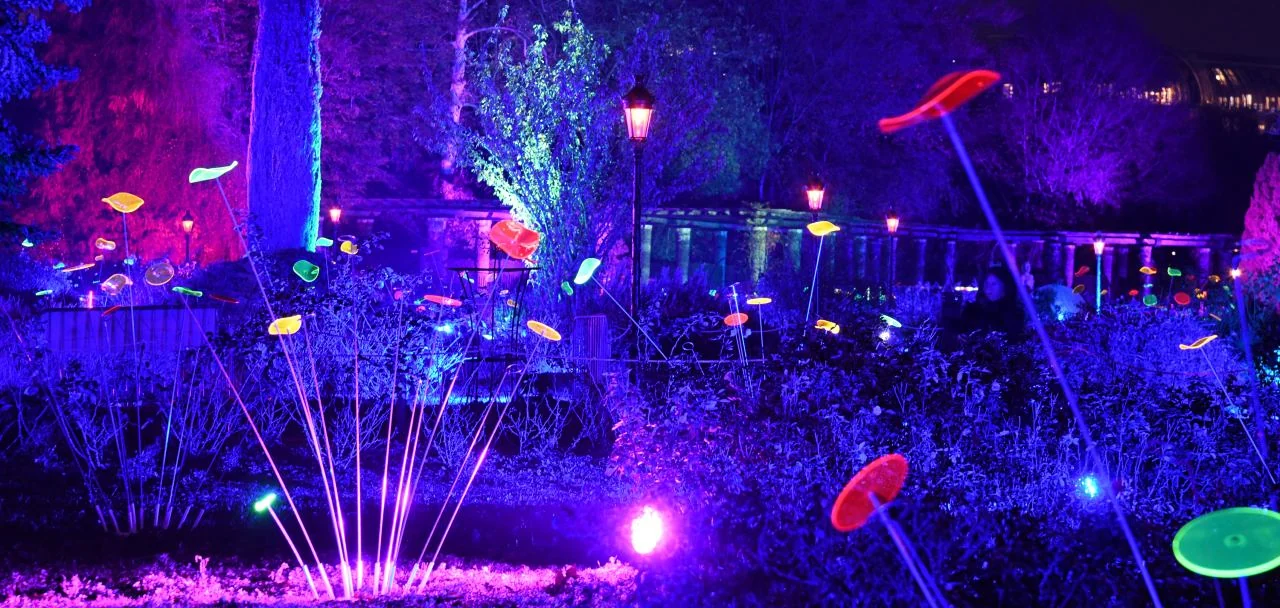
Two red light clusters in the blue glow
Two red points in the blue glow
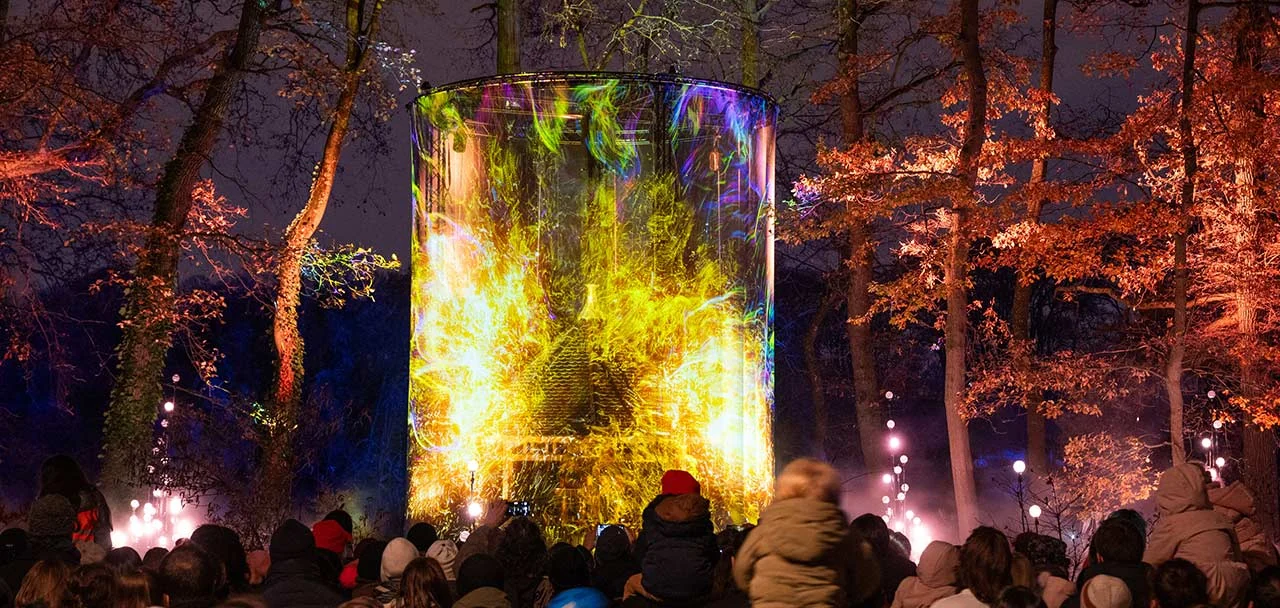
A golden light installation in the square with onlookers
The golden installation in the square
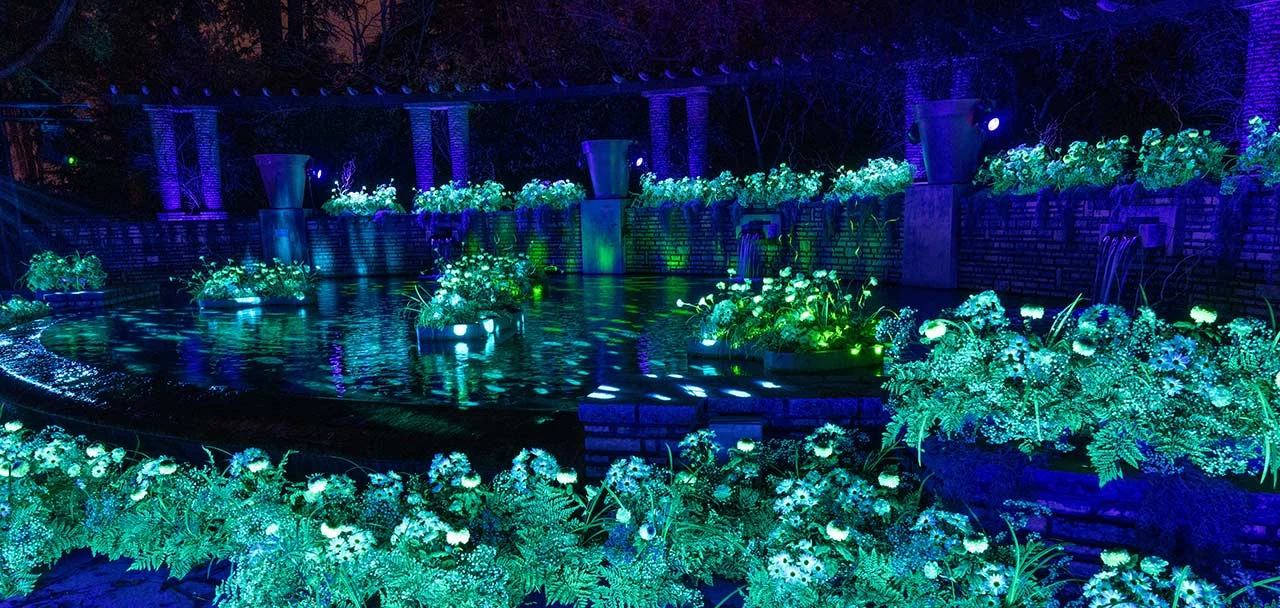
A building courtyard reflected in blue-green light

That row on the windowsill

Locals call the stubby candles lumignons, set in coloured glasses and placed on the sill on 8 December. Lyon tourism writes that these glasses are on sale in shops from late November.

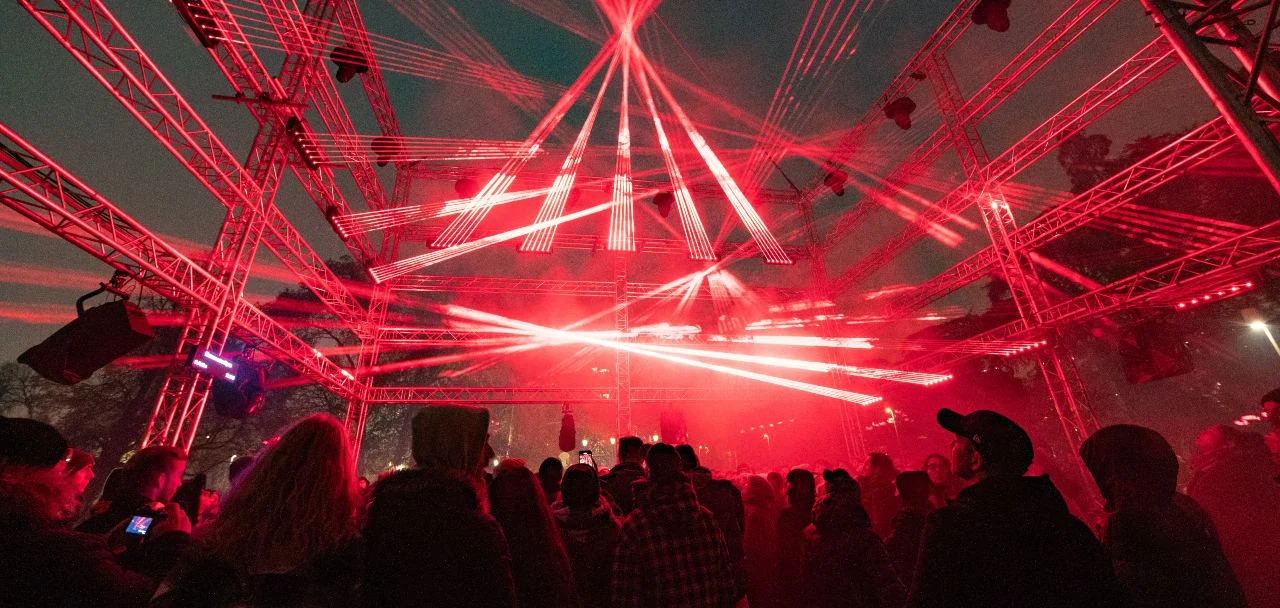
A ceiling woven from red light rays

A whole wall comes alive

Place des Terreaux sits between the city hall and the art museum, and each year gets a new projection across both facades. The Renaissance facades of the peninsula and old town also serve as screens — light hits them, and the buildings are sometimes clear, sometimes not.

Park tree shadows under purple-blue light

The city before the lights

The Plan Lumiere monument lighting runs year-round; the festival's four nights add temporary installations on top of that base. By day it's still winter Lyon — you have to wait for dark to tell the difference.

A woodland square opened up in warm light
Route

That half-day kept for the night

Keep the day for the old town and museums, then pick two or three installations from the programme after dark; don't pack the whole city into one night.

It starts with a statue

In 1852 Lyon planned to raise a Virgin statue on Fourviere; the unveiling was set for 9 September. The Saone flooded and submerged sculptor Fabisch's workshop, pushing the date to 8 December.

That morning brought another storm, and the masters cancelled the celebration and fireworks. The official history page says that at nightfall the weather suddenly turned, and Lyonnais placed lit candles in coloured glasses on their windowsills and balconies, and took to the streets singing.

Every year since, that row of light has appeared on the windowsill. Earlier, in 1643, city councillors had climbed the hill to vow away the plague, and the 9 September procession dated from then — two origins meeting on 8 December.

The lighting plan of 1989

In the 1960s Lyon shops still competed on window lights, food stores most keenly — an old tradition in new form. In 1989 the city set its first Plan Lumiere; the official site calls it the first European city to do so.

The plan first lit the monuments — squares, streets, bridges, riverbanks, even the surfaces of the Rhone and Saone together. Light stopped being only for seeing the way; buildings gained another face at night.

In 1999 the four nights joined into one programme. Artists took the squares and facades, arranging installations into a walkable route; the Renaissance facades of the peninsula and old town became screens, with Fourviere watching from across the river.

How to walk these four nights

Place des Terreaux sits between the city hall and the art museum; the two facades get a new projection each year. Place Bellecour's large square, the old town's narrow streets, the bridges and the riverbanks all carry installations.

After dark several blocks are pedestrians-only; the squares crowd, and to see one wall clearly you wait for the next round. Which spots stay lit until when is posted each edition as a timetable.

The residents' windowsill candles and the big square installations run at once — one in the lanes, one in the squares. The Lyonnais keep the former for themselves and set out the latter for visitors.

Fit these four nights into Lyon

The old town, the peninsula and Fourviere hill each have a route; walking and the metro link them — see the city by day, the installations after dark.

Dates

Every year around 8 December, four nights running; exact start and end and the programme follow the official notice

Duration

Installations light up after dark; times vary by location — check the programme for square and district lighting times

Tickets

Lyon tourism describes it as free and open to all; street and square installations are directly viewable; check with the provider for any sessions needing separate arrangement

Suitability

The four nights draw big crowds; several districts are pedestrians-only at night, mostly outdoor walking. With children, strollers or limited standing, pick the earlier, less crowded spots; check current restrictions

Talk through my trip idea

If you're planning a few days in Lyon, tell me who's coming and where you'd like to go.

[email protected]

Read this page in Chinese

Discuss this journey