A yacht under way toward a bay filled with icebergs, grey water and low cloud

Arctic and North Atlantic

Arksen AdventuresLandings, kayaks and cold water from a small ship

A small expedition vessel works the coast rather than crossing an ocean. Each day you leave it by tender or kayak, or walk ashore, and the plan is redrawn for wind and swell. Greenland, Norway and Scotland each have their own season, and their own kit.

Voyages run to Greenland, Norway, Scotland and other remote coastlines, using expedition vessels, expert teams and small groups. Boarding happens at the port named for each departure.

PlaceArctic and North Atlantic
TypeExpedition voyages
SuitsOcean and science travellers
Stay7–12 nights

A base that moves with the coast

Arctic and North Atlantic — Small-ship expedition voyages.

These trips are built around small expedition vessels. A smaller hull reaches coasts and anchorages a large ship passes by, and it puts fewer people ashore at once. The point is not the ship itself but what happens after you leave it: what you see on a landing, and how far you are allowed to walk.

Naturalists, photographers or science partners join some voyages, and that changes what you notice. A marine biologist reads a bird flock differently from a photographer. Ask what theme a departure carries before you pick it, because the same coastline becomes a different trip depending on who is on board.

This suits travellers who enjoy being at sea and who accept that plans move. Wind and swell decide whether you kayak, hike or cruise by tender, and a good landing can be cancelled an hour before it starts. If you need a fixed schedule and a guaranteed shore visit, look at a different kind of trip.
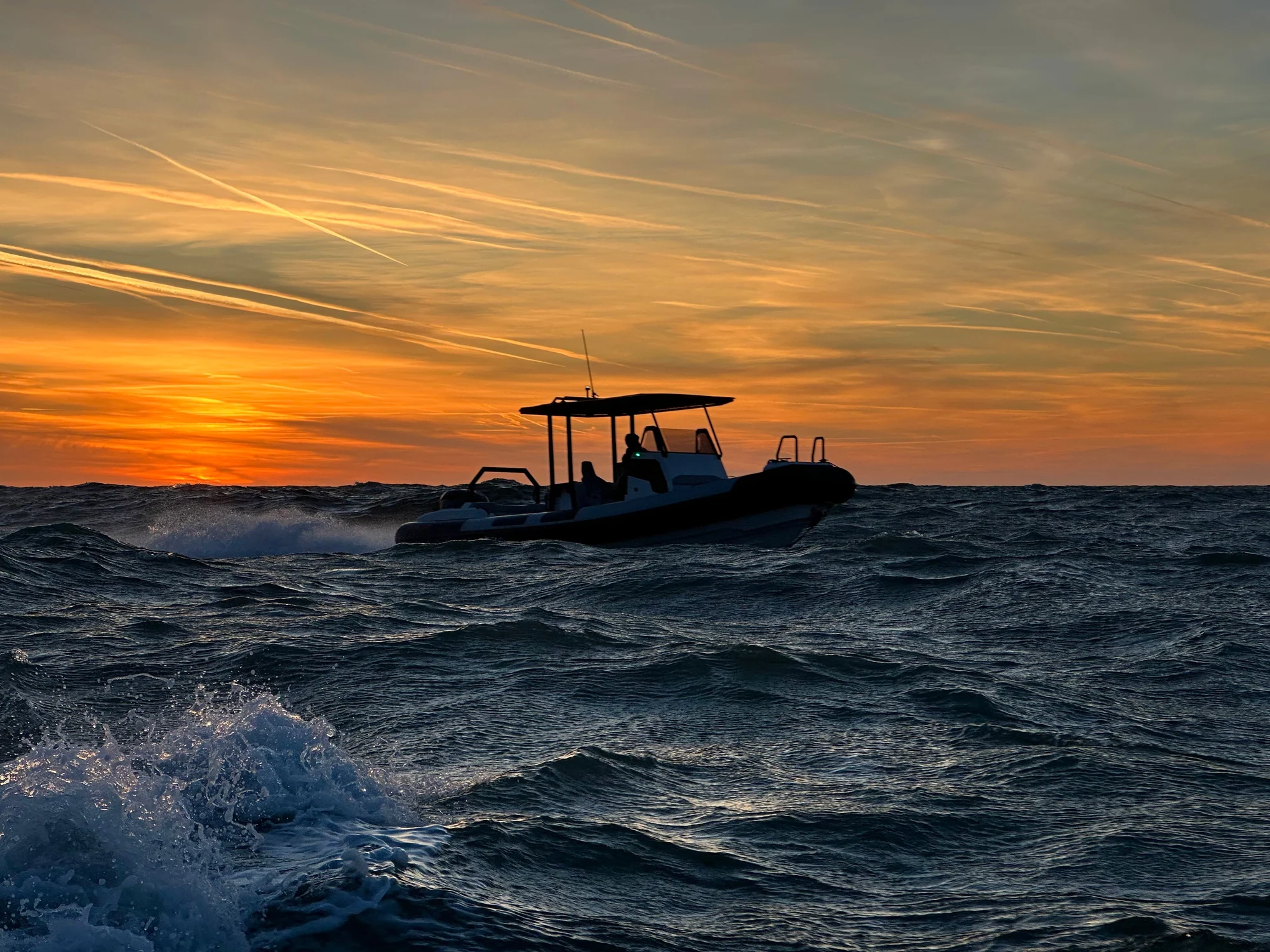
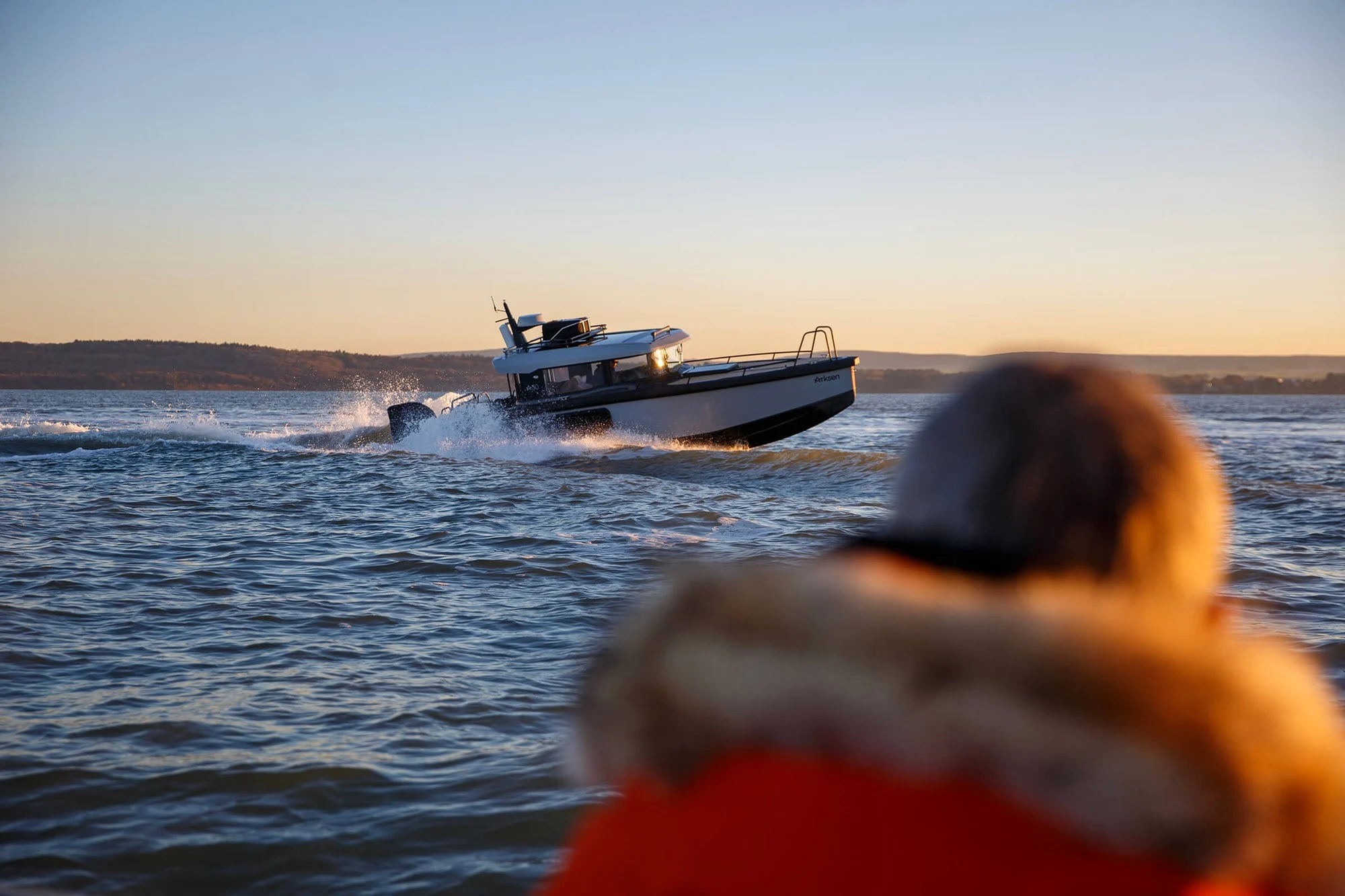
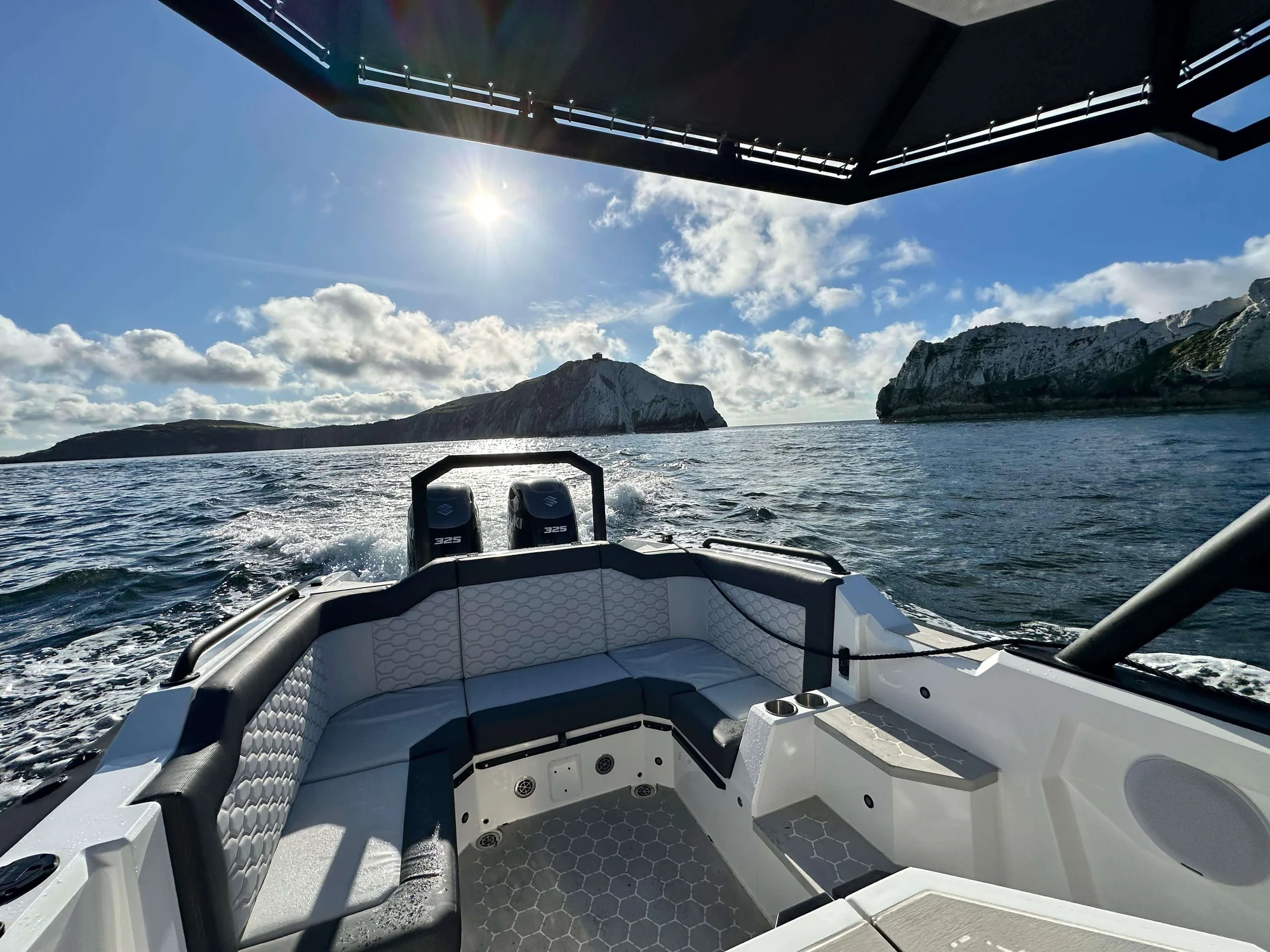
The dark silhouette of a boat on open water at sunset, sky lit orange behind it
A hull in silhouette against low sun
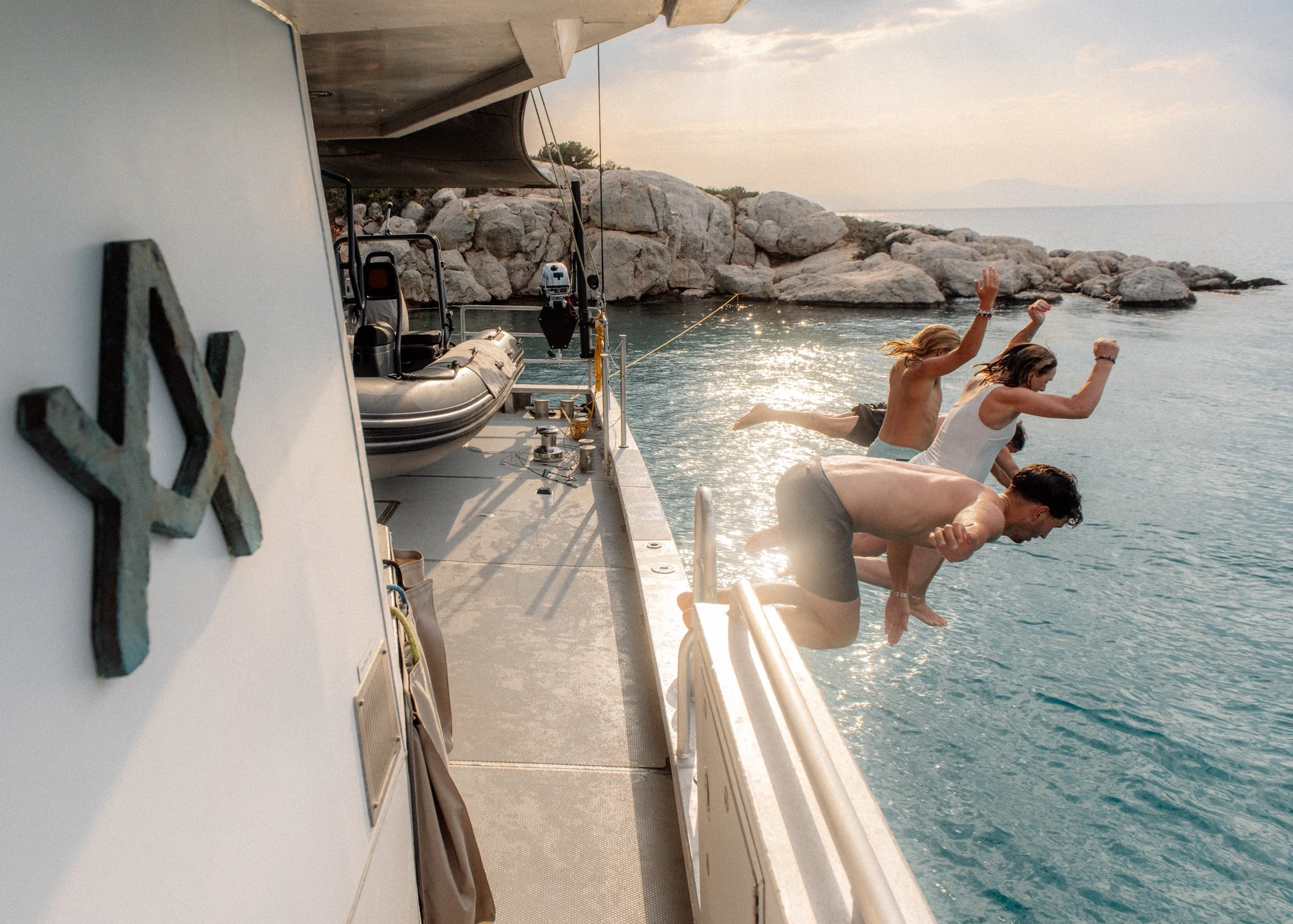
Travellers on a yacht's stern platform above clear turquoise water, fins laid out nearby
Guests on the stern platform, clear water below
A diver surrounded by a group of sharks in clear blue water, arms extended

Landing from a small ship

Vessel size decides how much of the coast you actually touch. With a smaller ship the tenders go out quickly, the group ashore stays small, and a landing can shift to another bay when the swell picks up. You spend more of the day on land and less of it waiting for a turn.

Passengers leaning on a ship's rail watching a small tender approach across the water

Experts on board, for part of the route

On some departures a naturalist, photographer or science partner travels with the group, and their presence shapes the day: a longer stop at a colony, a session on reading ice, a night on deck with cameras. Themes differ, so say what interests you when you choose the route.

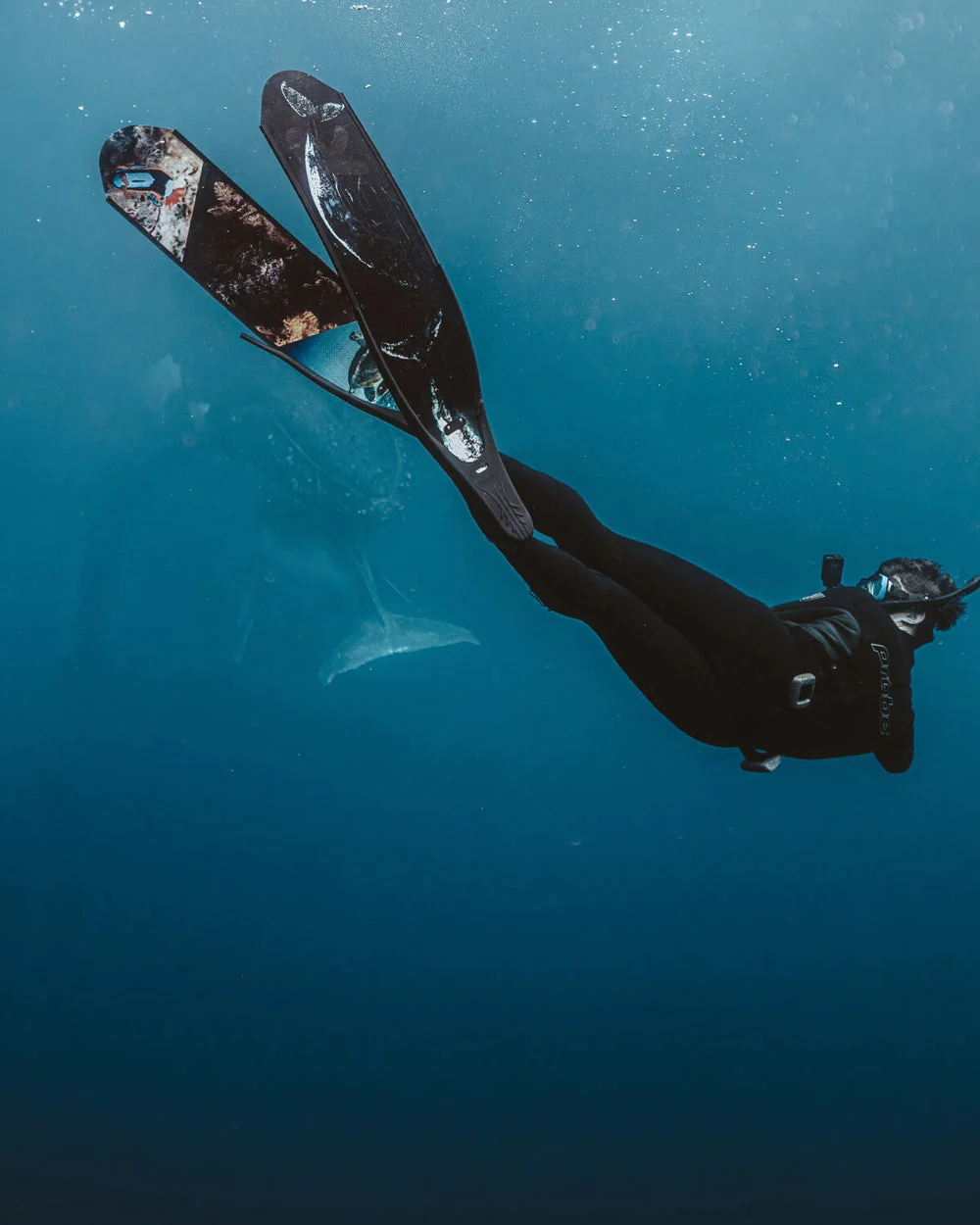
A single diver descending through deep blue water, bubbles rising toward the surface

A day decided by the weather

Kayaks, walking and tender cruises get chosen on the morning, not six months earlier. That is not improvisation for its own sake; it is how a coast with fast-moving conditions works. The reward is being in the right place when the light or the animals arrive, instead of following a printed schedule.

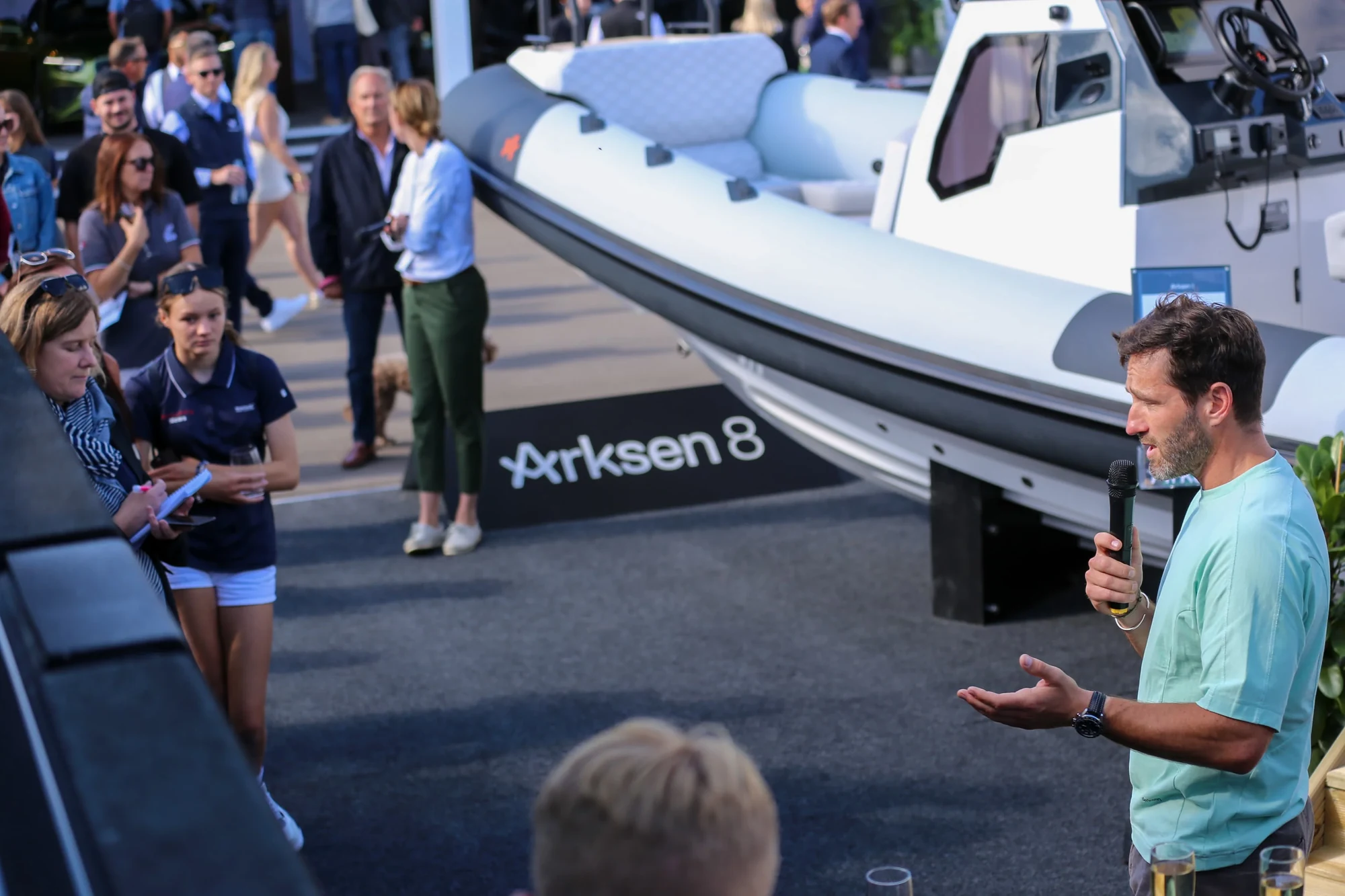
A crowd standing around a boat displayed indoors at a show, listening to a speaker
Route

A week or more on the water

Seven to twelve nights makes a voyage in its own right, and a week is the floor; polar routes should carry extra days for weather. Voyages also combine with land travel in the Nordic countries or the UK, with transfers planned around the port and the sailing dates rather than around convenience.

Boarding a small ship at the right port

A week is the minimum useful length. Polar itineraries also need spare days before and after, held clear for weather.

Stay

At least seven nights is suggested. Polar routes need additional days held back for weather, so the voyage is not the only fixed item in the plan.

Getting there

You board at the port named for each voyage. International flights, local transfers and the kit list should all be confirmed from the departure documents.

Season

The vessel and the sea area set the operating window. Greenland, Norway and Scotland are shaped by sea state, daylight and wildlife seasons.

Watch out

Ships and expedition places are limited, so availability and inclusions have to be confirmed case by case, and early rather than late.

Plan this into a journey

Tell us which coast interests you and we will match it to the voyages that sail there in season.

[email protected]

Read this page in Chinese

Discuss this journey