A place still in use
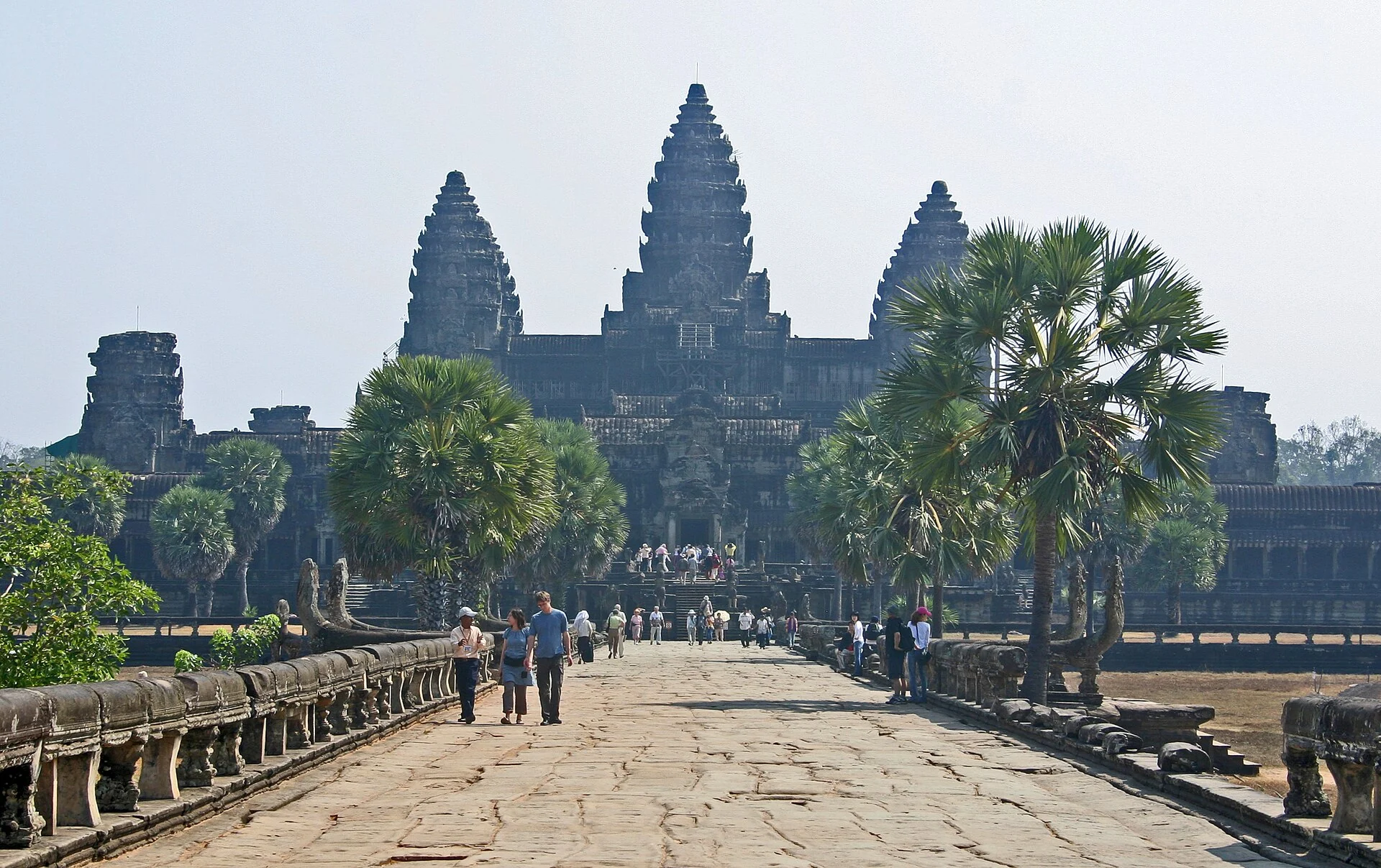
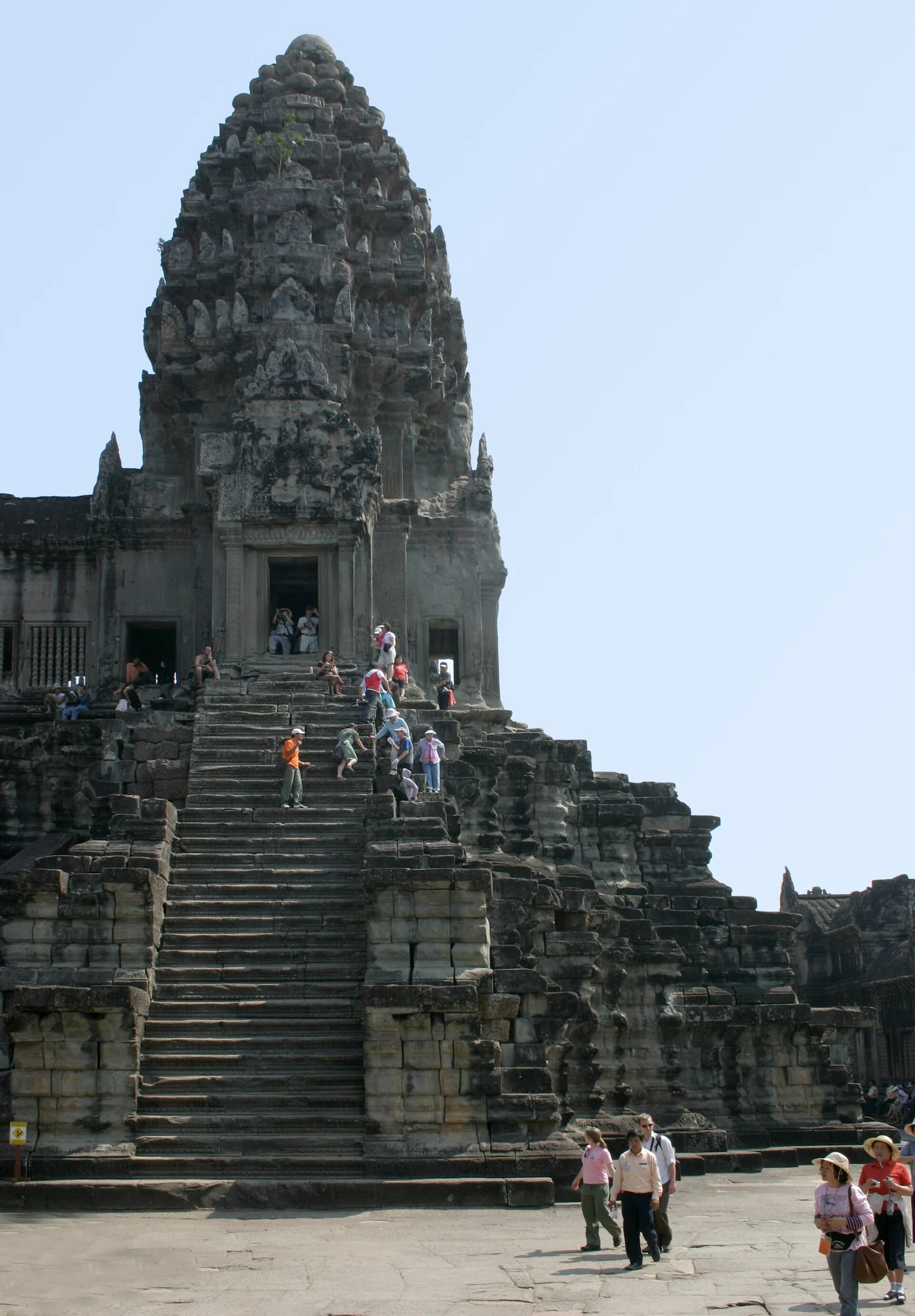
Of the inscriptions left by Japanese Buddhist pilgrims in the 17th century, more than ten record them living alongside the Khmer; one notes a Cambodian New Year celebrated here in 1632. By then some of the central towers had been altered, showing the temple was not sealed and frozen.
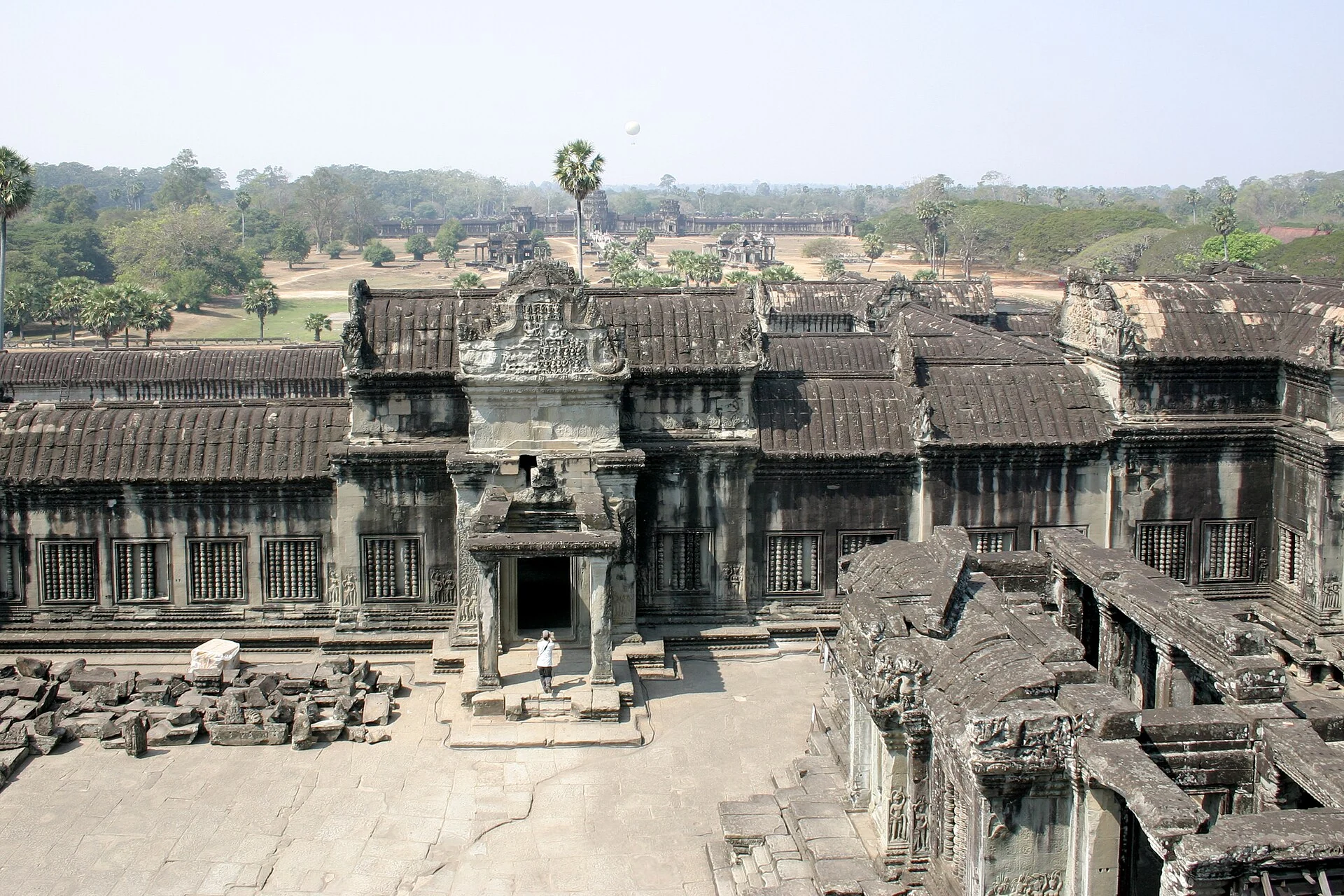
In 1992 Angkor as a whole was inscribed as a World Heritage Site; the following year an international coordinating body gathered the restoration teams of various countries. French, Japanese, Indian, German, American, Chinese and other teams each took a section; in 2002 the upper west facade was propped with scaffolding, and in 2005 the Japanese team finished the library on the outer north side.
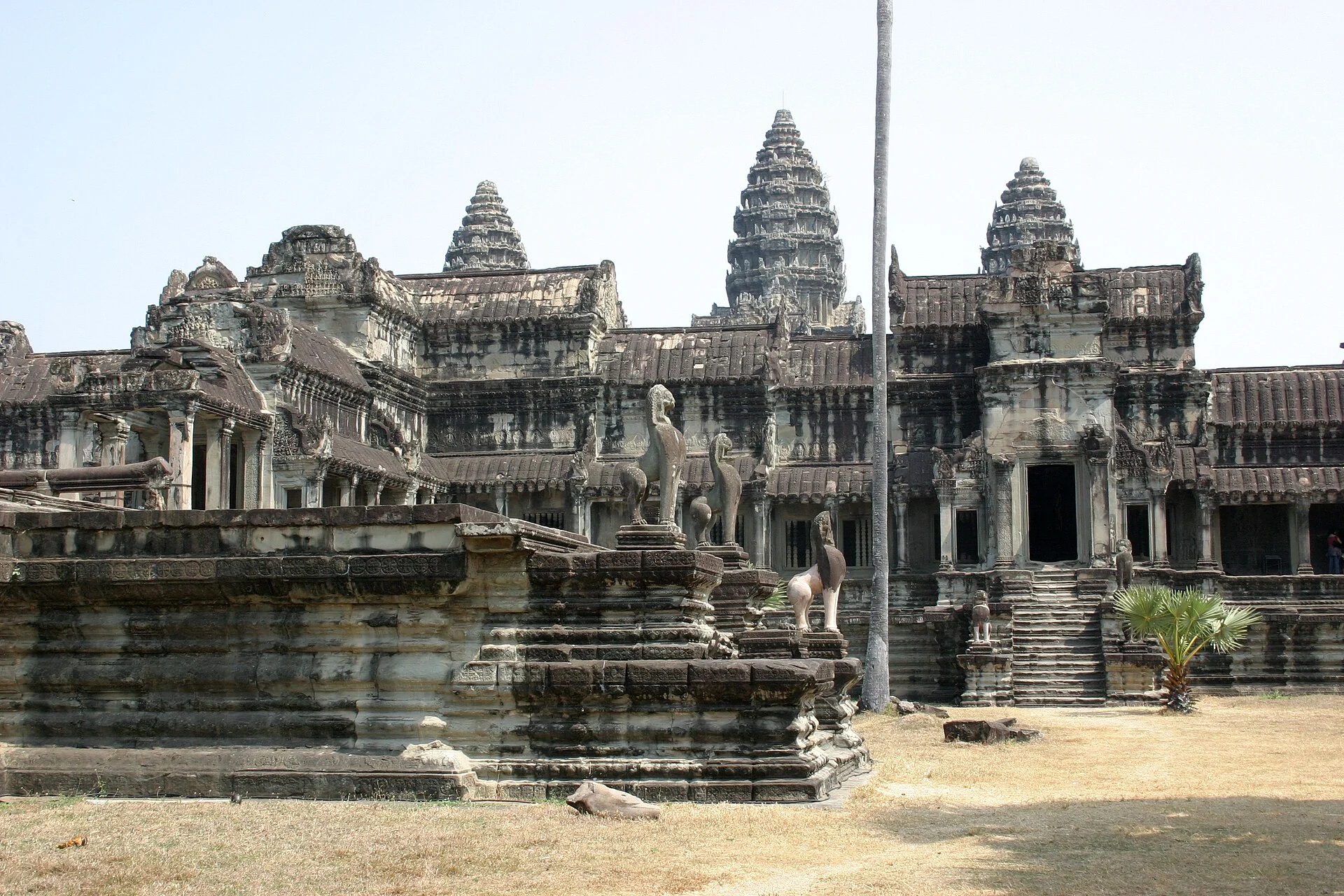
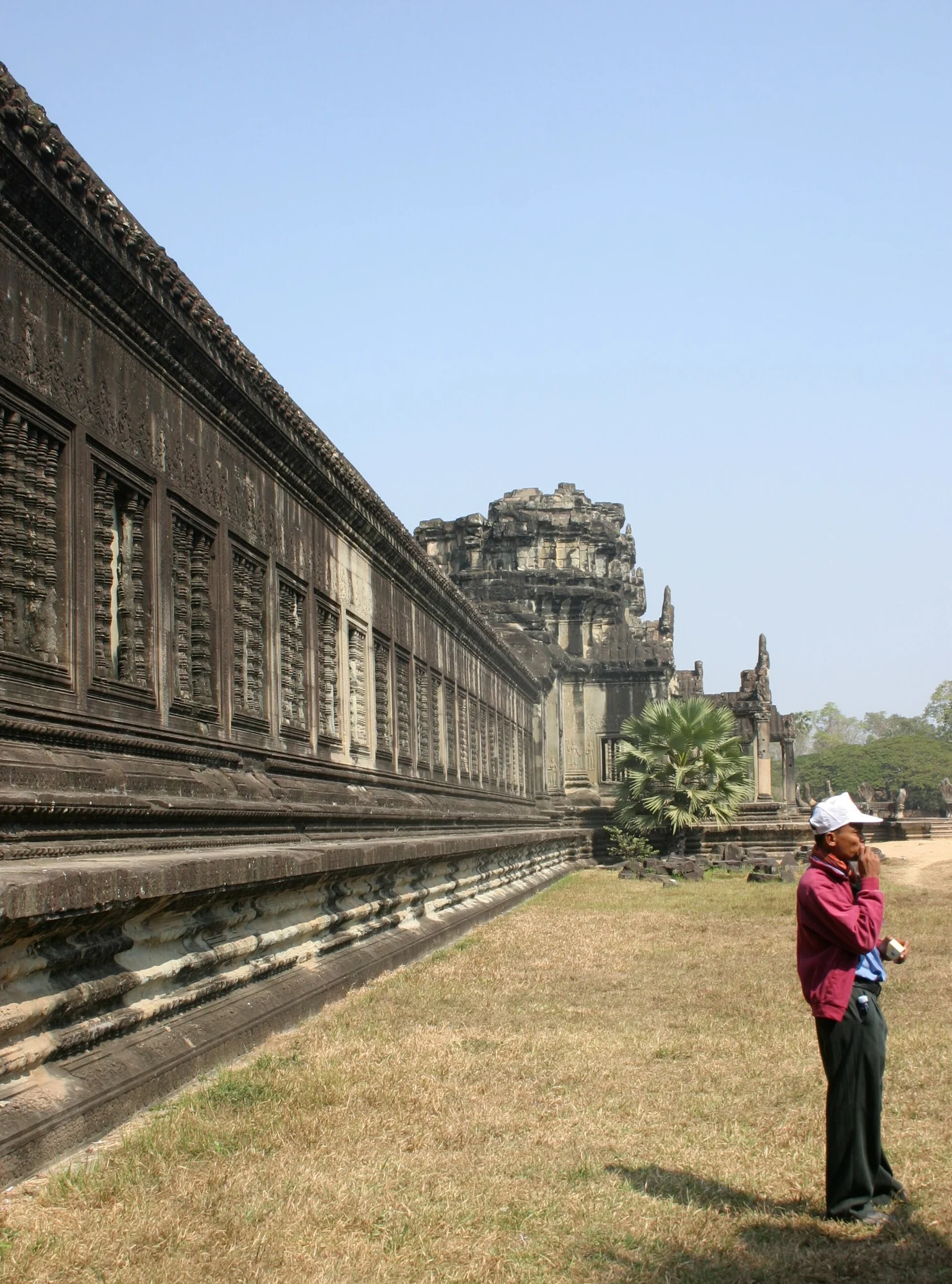
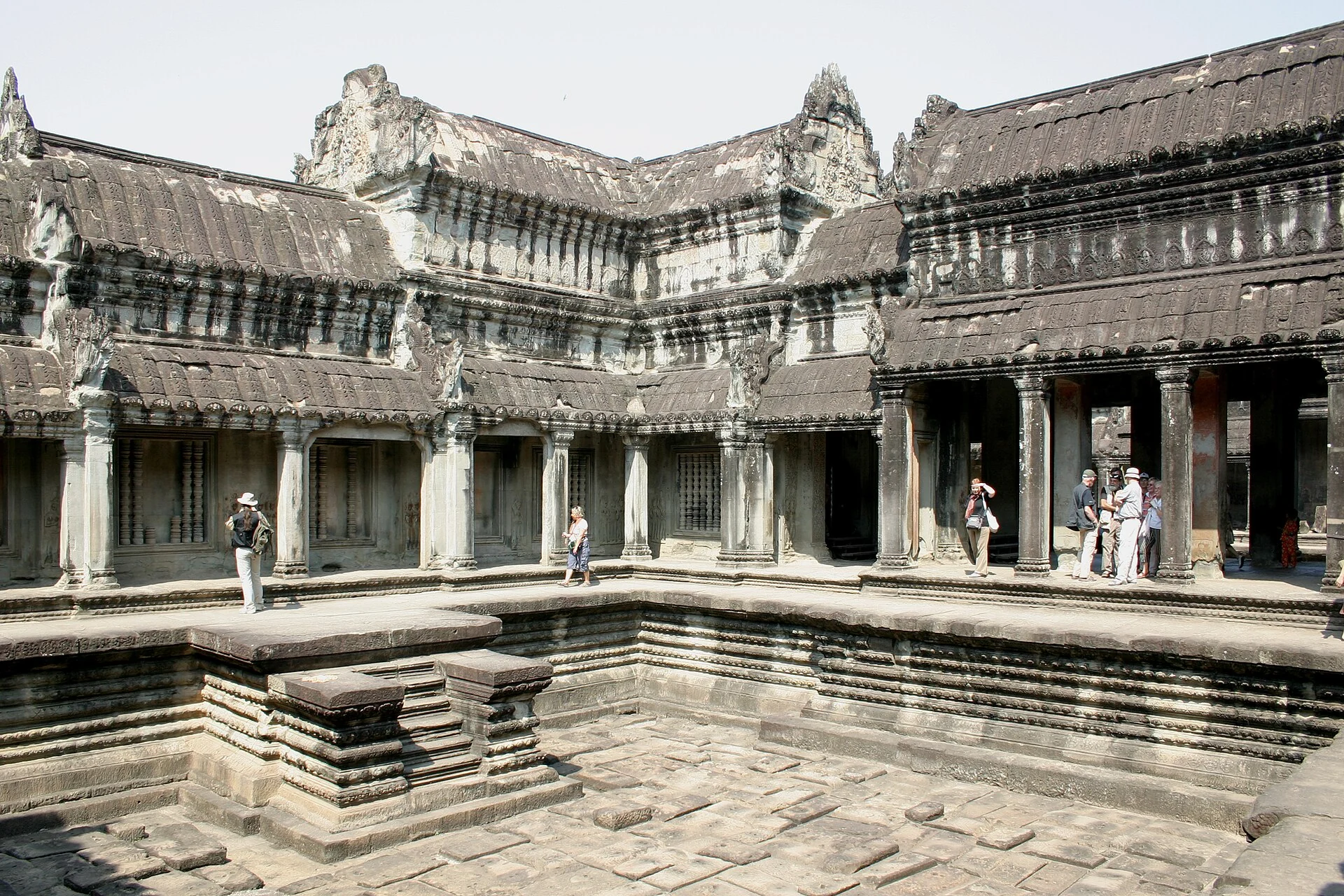
Sandstone's enemy is water and microbes. Surveys found a biofilm on the surface slowly eating the stone, which is why the reliefs are now the most carefully watched part. Walking the galleries, where the newly added stone is paler than its neighbour, is mostly the patching of these last decades.