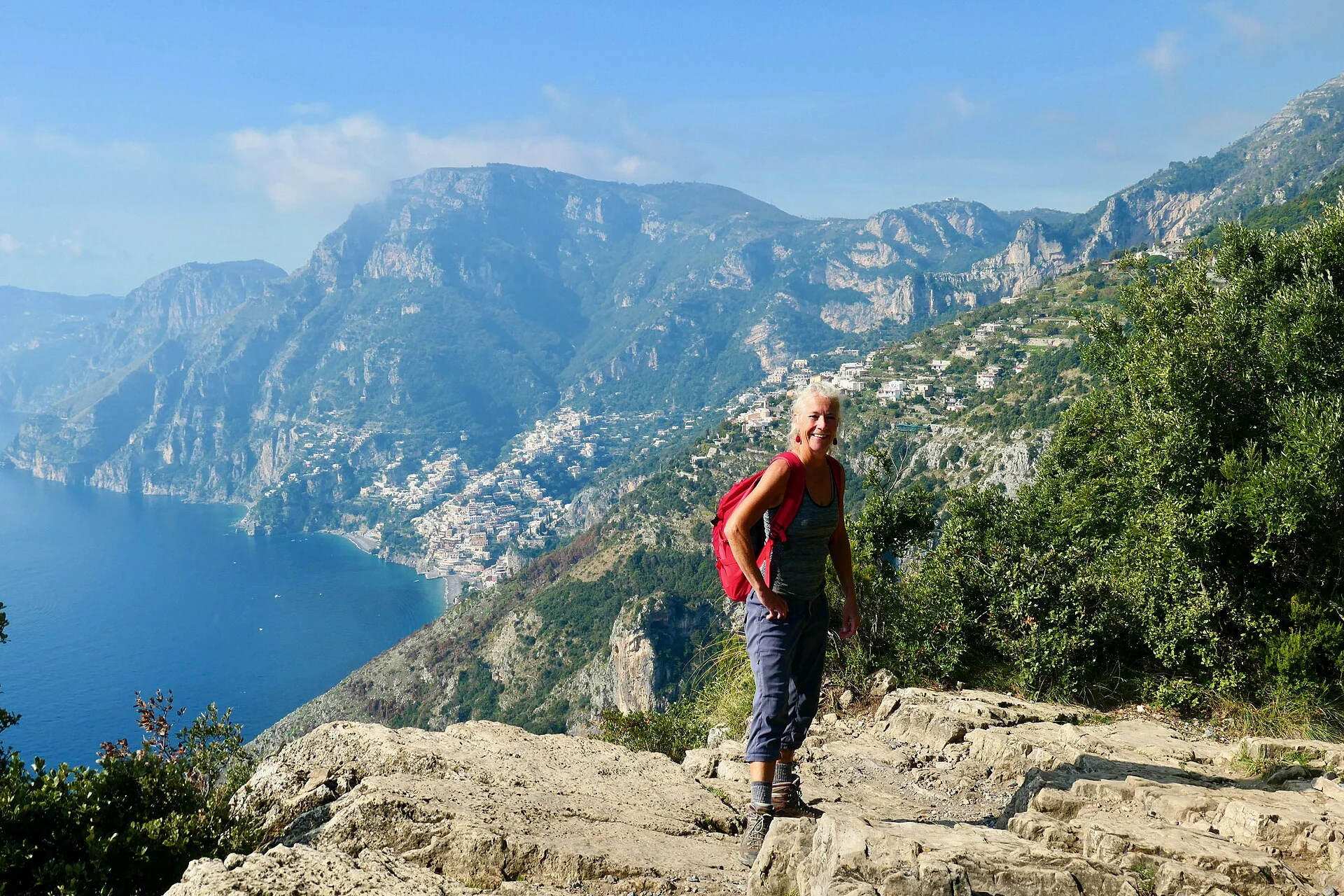
Beach meeting a steep cliff, white houses tiering above, parasols on the sand

Southern Italy

Amalfi CoastMountains dropping straight into the sea

Houses stack tier on tier up the cliff, the Tyrrhenian Sea directly below. The slope is so steep there is barely level ground, so the towns wedge into the folds of the rock and a single cliff-road links them.

On the south side of the Sorrento Peninsula, a stretch of steep coast facing the Gulf of Salerno.

PlaceSouthern Italy
TypeMediterranean cliff coast and hill towns
SuitsThose who want to see how the coast is held together by one road and its terraces, not just a sea-view balcony
Best seasonWarm summers and mild winters; the sea light changes through the seasons

Thirteen stops on one road

Southern Italy — Mediterranean cliff coast and hill towns.

First fix where the road begins and ends, then pick one or two stops — don't rush all thirteen.

The terraces on the slope grow the lemons for the local liqueur, the coast's most labour-intensive work.

There are boat and land services in both directions; turn round and look back, and the towns' layers change.

Sunlit cliff face covered with low shrubs, a corner of stone building showing right
The cliff face covered in shrubs
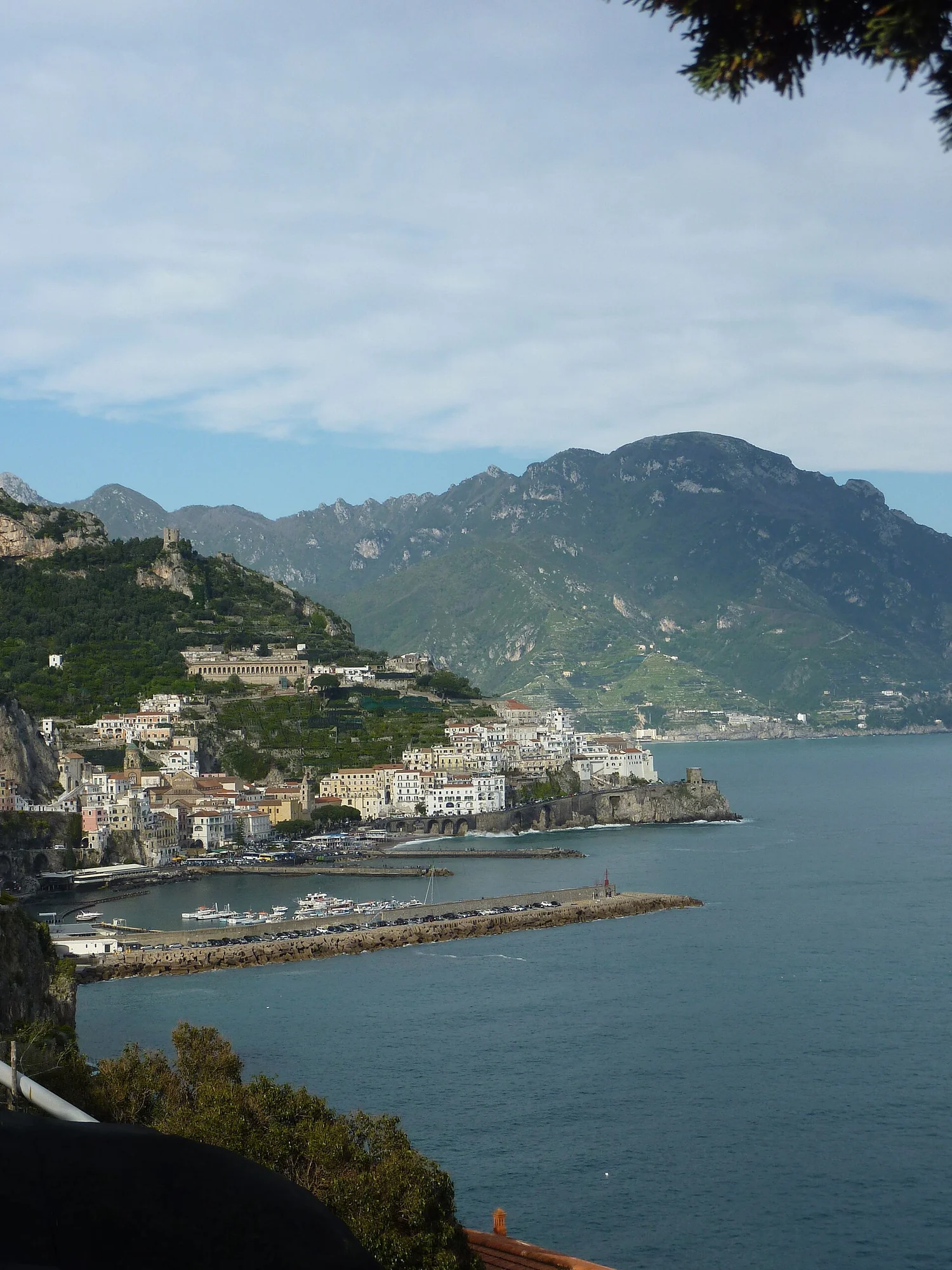
Calm bay water, distant town spreading along the foot of the hill, tree shadow in front
The long breakwater in the bay
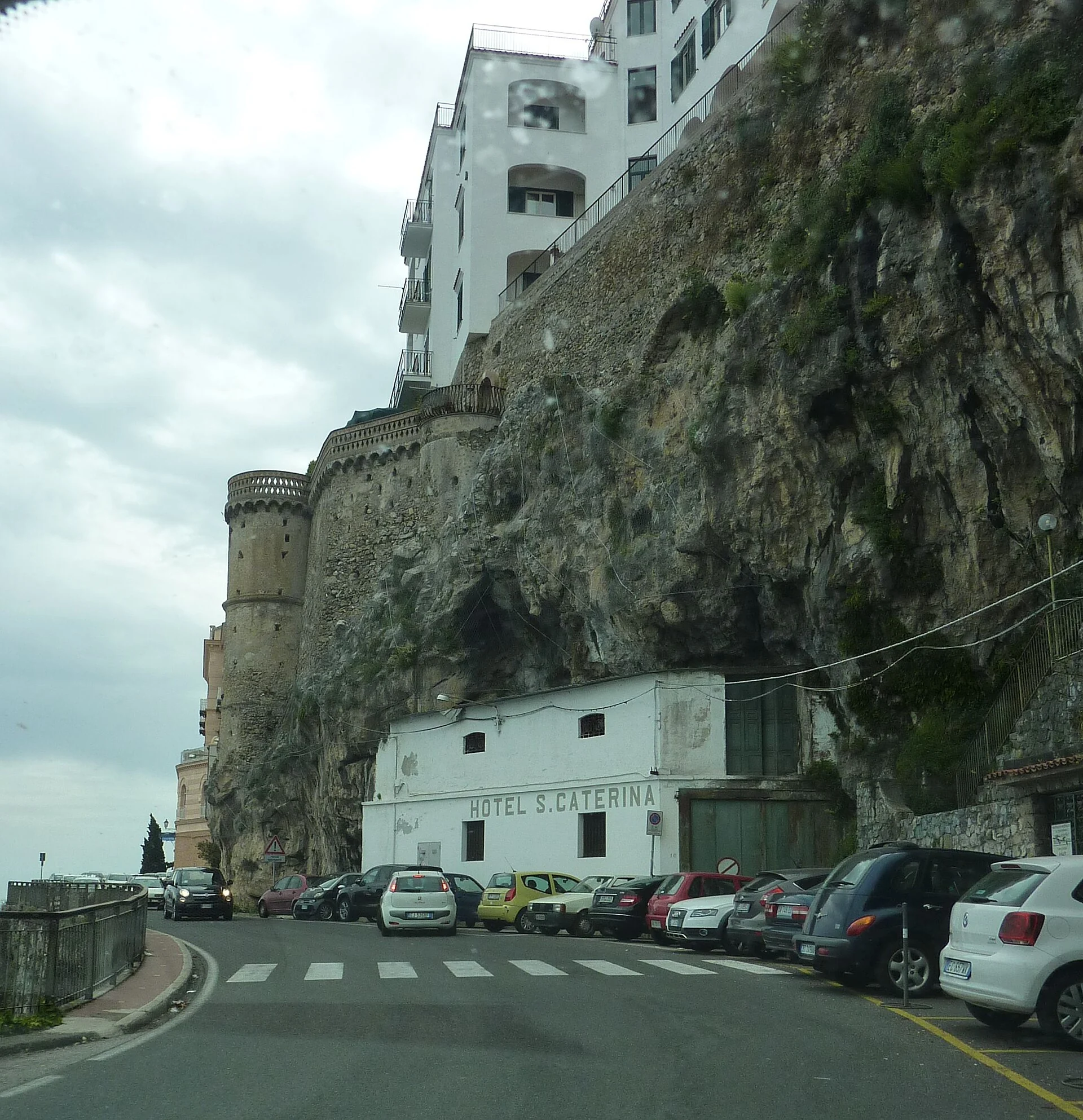
Hill town seen from a road bridge, pale buildings against the rock, cars by the road

The road clinging to the cliff

The only land route in is a single road: State Road 163, the Amalfitana, running about forty kilometres from Vietri sul Mare in the east to Positano in the west. Built on the peninsula's south slope where the mountains fall steeply, it leaves little ground for building or levelling fields, so the thirteen towns are strung tier by tier into the folds of the cliff.

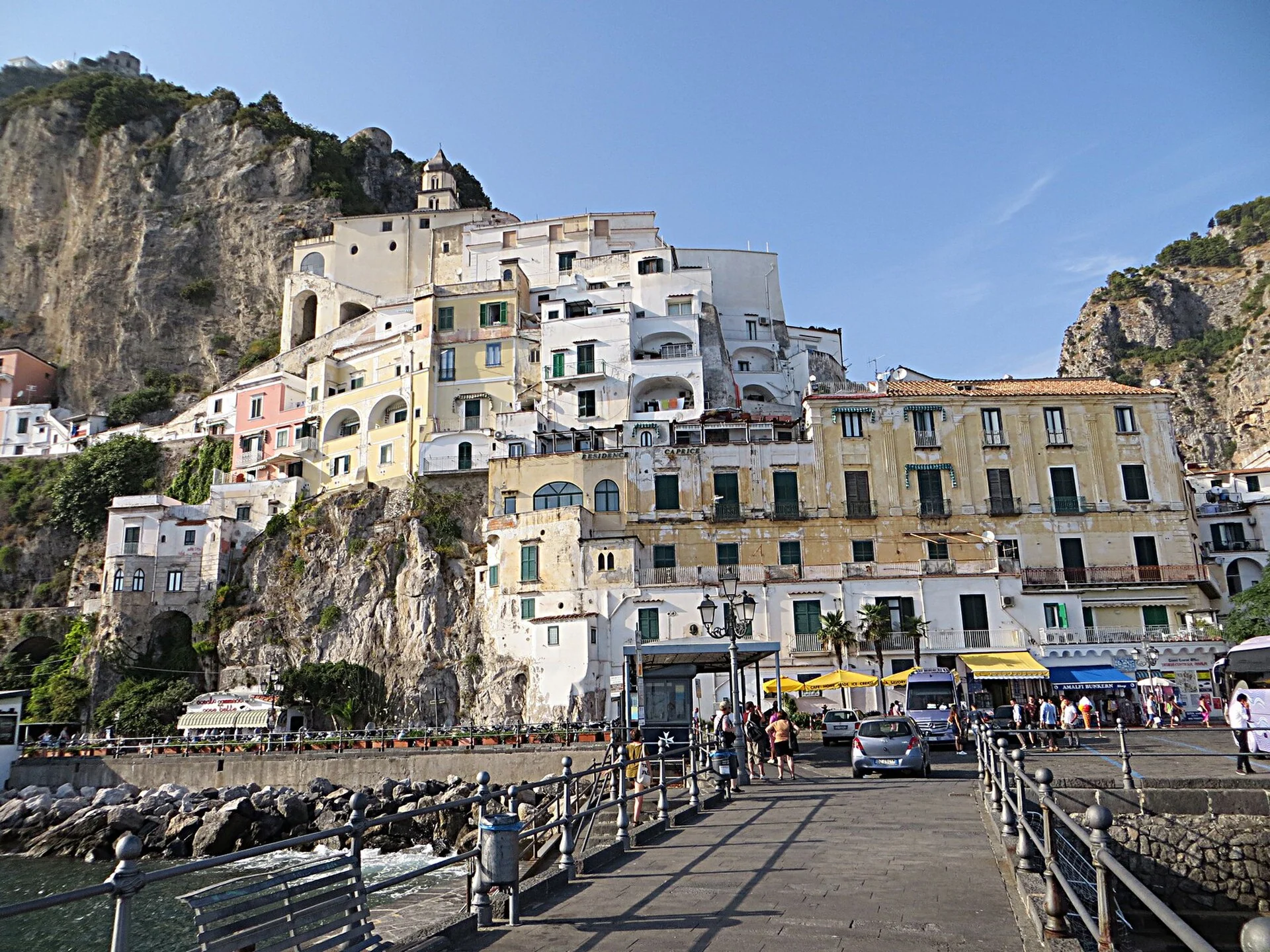
White-walled houses pressed under the rock wall, a car passing on the road before them

Lemons in the terraces

The coastal terraces grow the local variety sfusato amalfitano, harvested from February to October for the lemon liqueur. Another drink, concerto, is dark and spicy, from Tramonti, its name drawn from the herbs blended together. The terraces spread along the whole coast, the most visible mark of human hands on the slope.

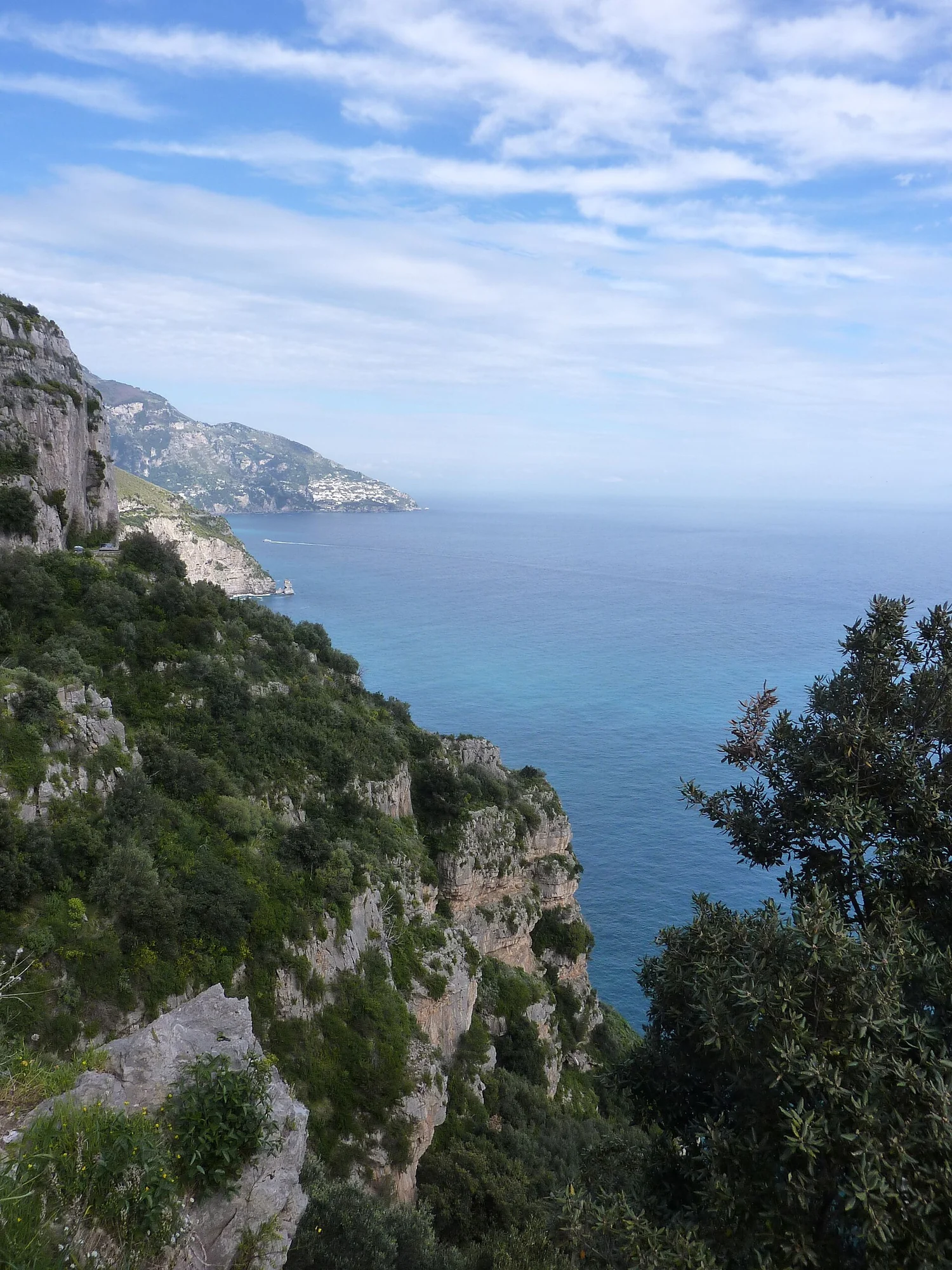
Sea surface and a ridge reaching into the water, slope covered in green vegetation

Each town has its own craft

Amalfi makes a thick paper called bambagina, once used for private letters, legal documents and stamped tax papers; Cetara has a local anchovy, alici, and Vietri turns out brightly coloured handmade ceramics. Scattered across different towns, like the road itself, they only reveal themselves stop by stop.

A hiker on a ridge path, layered coastal mountains and blue sea in the distance
Route

A full day along the cliffs

Don't put it on your transit day. Stay on this side of the peninsula the night before, and give the whole day to State Road 163.

There is only one road

This coast lies in the province of Salerno, Campania, facing the Tyrrhenian Sea and the Gulf of Salerno, bordering the Sorrento Peninsula to the north and the Cilento coast to the south. It takes its name from the town of Amalfi, long the area's geographic and political centre. In the 10th and 11th centuries there was the Duchy of Amalfi.

The mountains fall straight from the peninsula's south slope into the sea, leaving too little flat land for fields. The climate is Mediterranean — warm summers, mild winters. Thirteen towns line the coast, many now living off visitors. In 1997 the coast was inscribed on the World Heritage List.

The duchy later passed under the Principality of Salerno, and in 1137 the Pisans sacked Amalfi, ending its independent days. After that the coast's fame came more from its scenery: it made the coast an early resort, and earned it the nickname the 'Divine Coast.'
What grows out of the slope

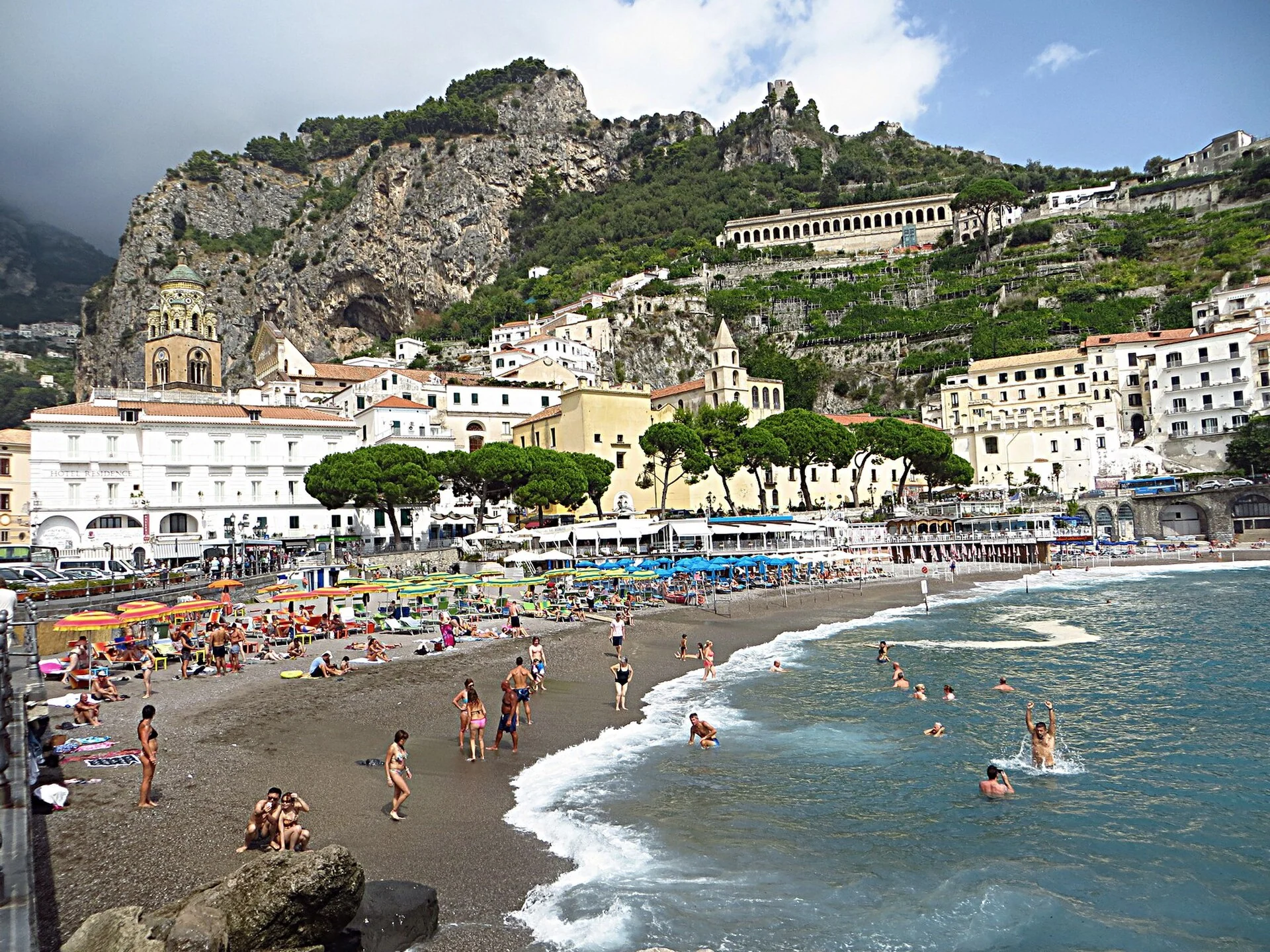
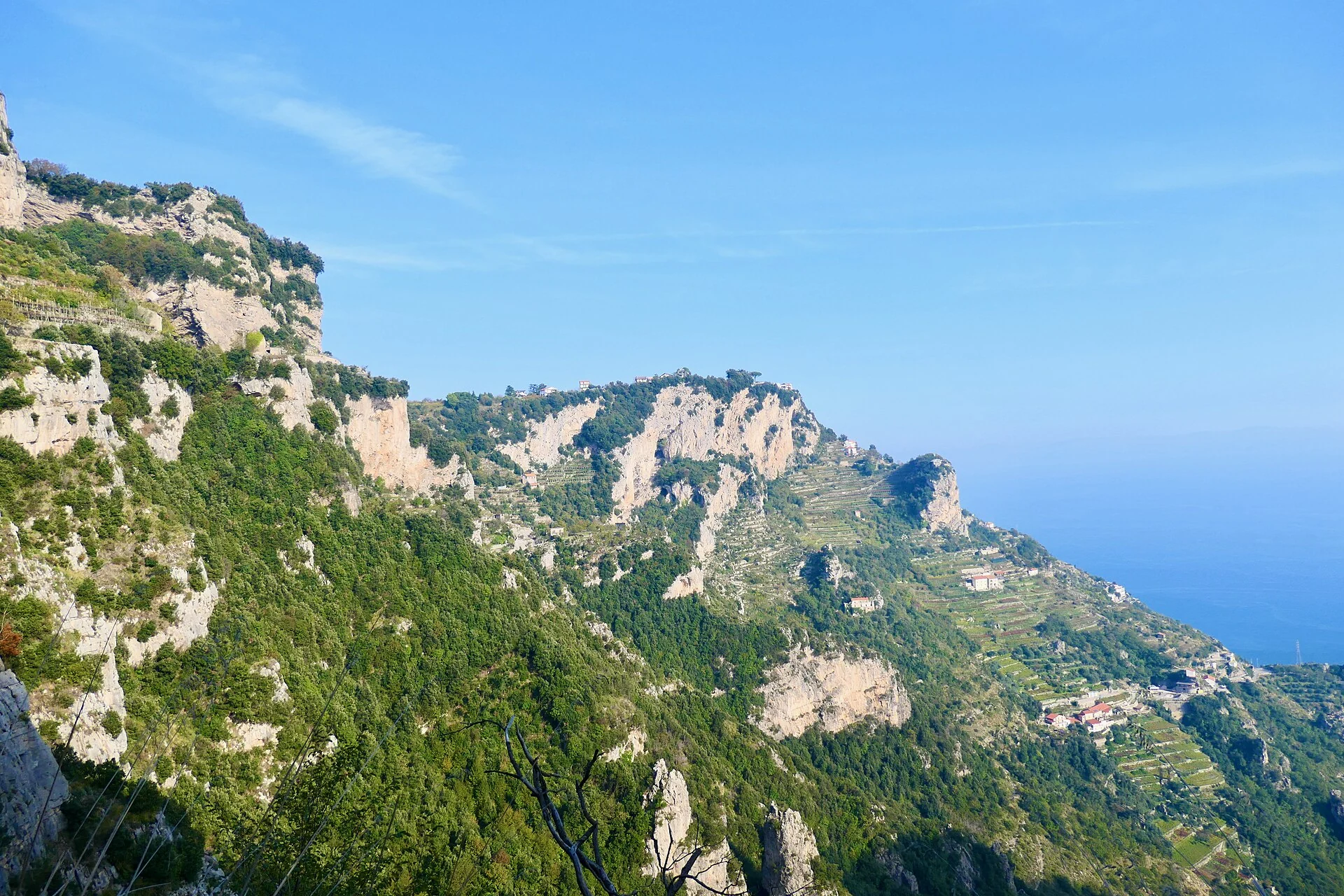
The most labour-intensive crop is the lemon. The fruit for the liqueur is harvested from February to October, and for it the slope was terraced tier on tier; wherever a hoe could go was won bit by bit. The drink takes the coast's name and uses this very fruit.

Crafts belong to particular places. The thick paper of Amalfi, once used for private letters, contracts and tax stamps, has its own name in the trade; Cetara's anchovies and Vietri's brightly coloured ceramics sit under two different town names. Tramonti's dark herbal liqueur is the same — hard to find outside that area.

Escher drew this coast, and Steinbeck wrote a 1953 short piece named for Positano. Fellini shot part of Roma here, and the 2017 Wonder Woman used it as the Amazons' island. Decades apart, the works all recognise the same cliff.

How to follow the coast

Buses and ferries both run along the coast, and Positano and Amalfi also have short boat trips. The land route wraps the cliff, the water route views it; the same row of houses reads differently from the other side. Check notices for which sections and sailings are current.

Nearest is the Salerno Costa d'Amalfi Airport; most arriving from abroad land at Naples International and then head south to this coast. Fix the two ends and you won't spend the whole day stuck in one town.

Each of the thirteen towns has its own ramps and stone steps; pick two to stop in slowly rather than rush them all. Standing on the cliff path and looking back, you understand why flat ground is so precious; the beach below is often a town's only open space.

A full day for the coast

First fix the road's two ends, pick a sea-facing town to stop in, then take to the water to see that same line of cliffs from below.

Time needed

A full day to cover the road's east and west ends; add a day to stay in one town and take the sea leg

On the day

Ferry and boat schedules shift with the season; check notices for connections

Getting around

Towns are stone steps and narrow lanes with some uphill; split the route if moving slowly

Season

Summers are warm and winters mild; the sea light differs by season — check the weather first

Talk through my trip idea

If you're planning your southern Italy days, tell me whether you want one day or two here, and whether anyone in your group moves slowly.

[email protected]

Read this page in Chinese

Discuss this journey