The hilltop temples were not one campaign
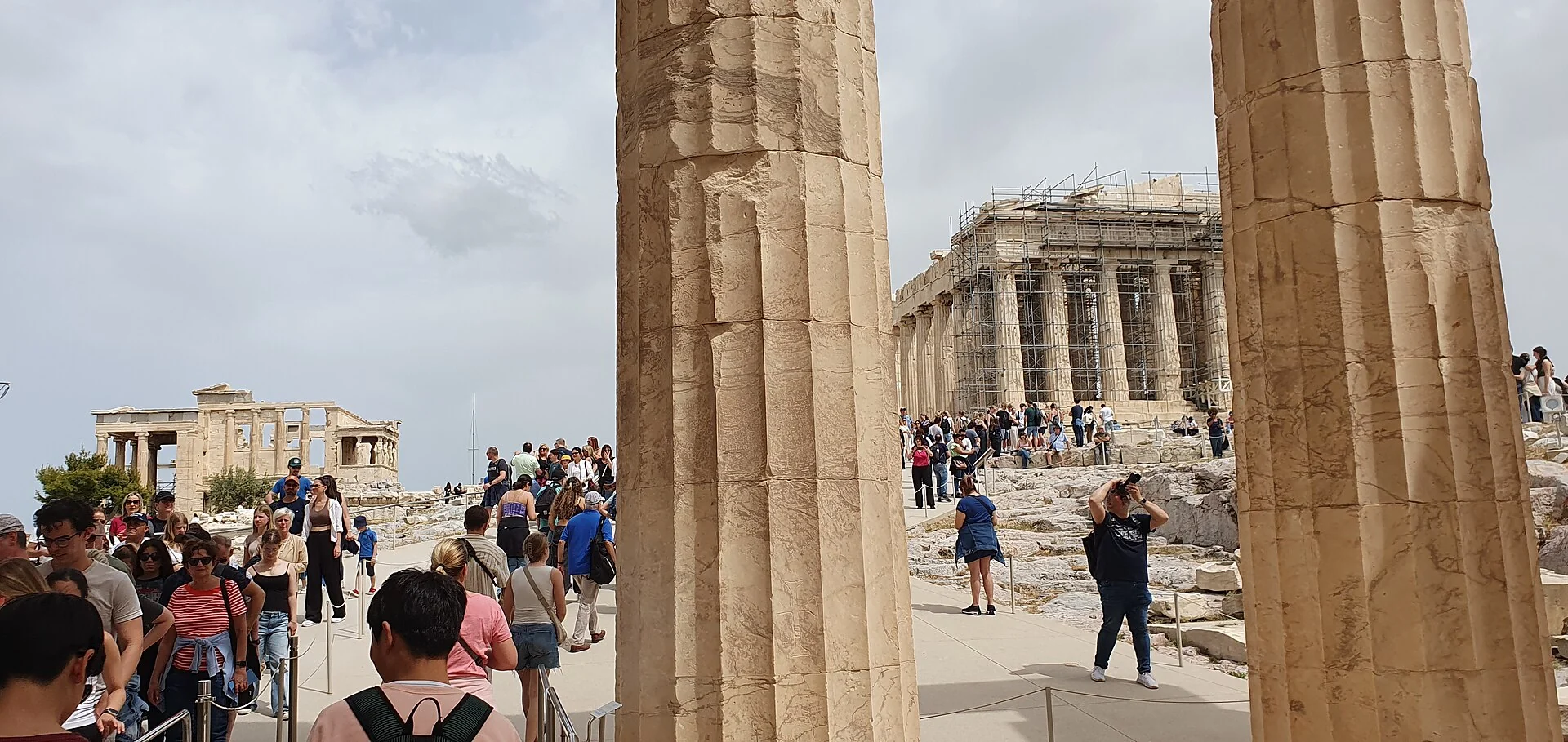
In the 5th century BC Pericles pulled the rebuilding together. The Parthenon was the work of Ictinus and Callicrates, with Phidias overseeing sculpture; in the same period were slotted in the Propylaia, the Erechtheion and the Temple of Athena Nike. The sites were staggered and the stone colour is near-identical in the sun.
The Temple of Nike is smallest, Ionic, four columns front and back, and because the Peloponnesian War interrupted it, it was only finished between 421 and 409 BC. It hugs the south side of the Propylaia and, seen from the approach, seems to hand the visitor a sense of scale first.
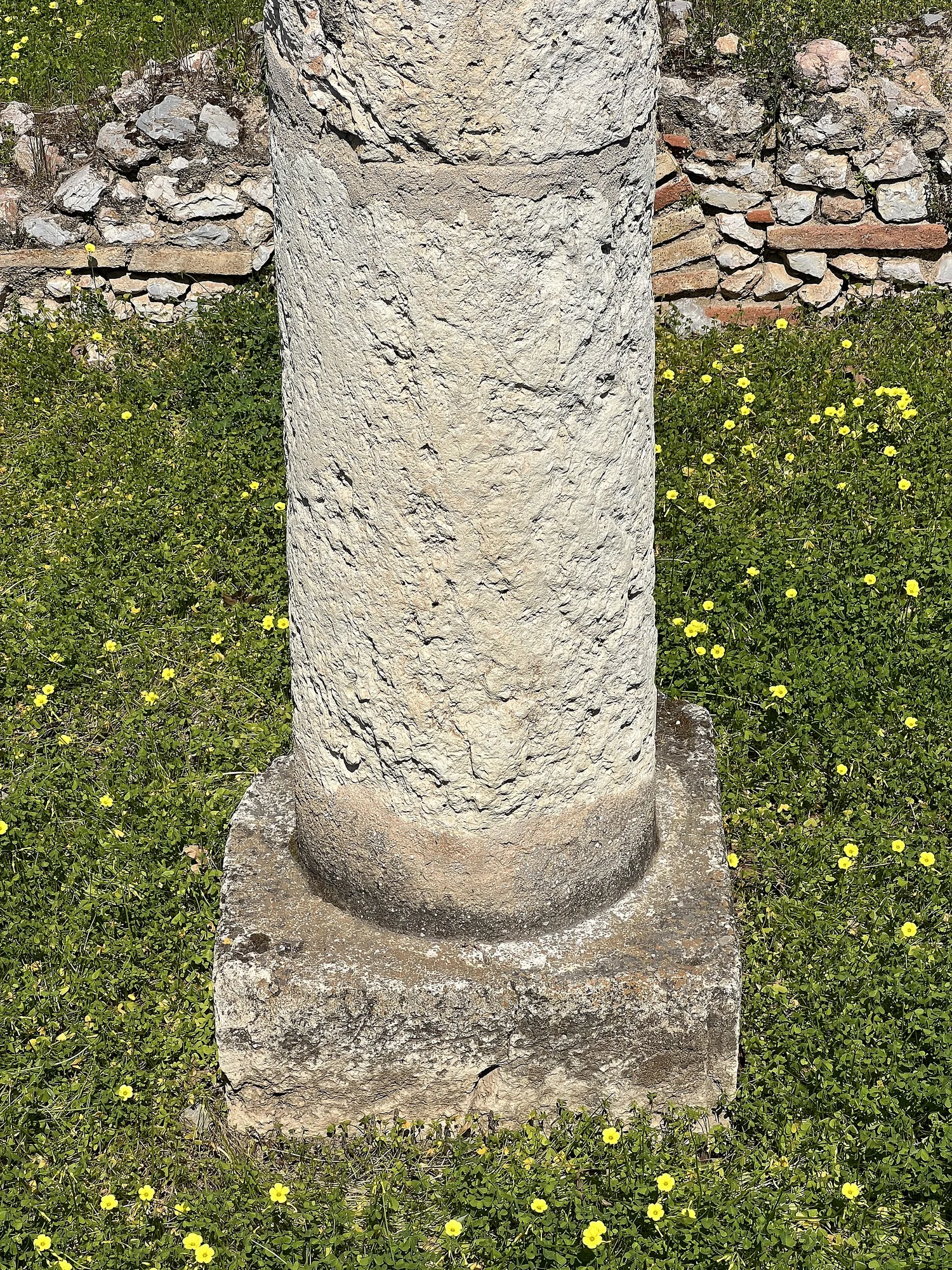
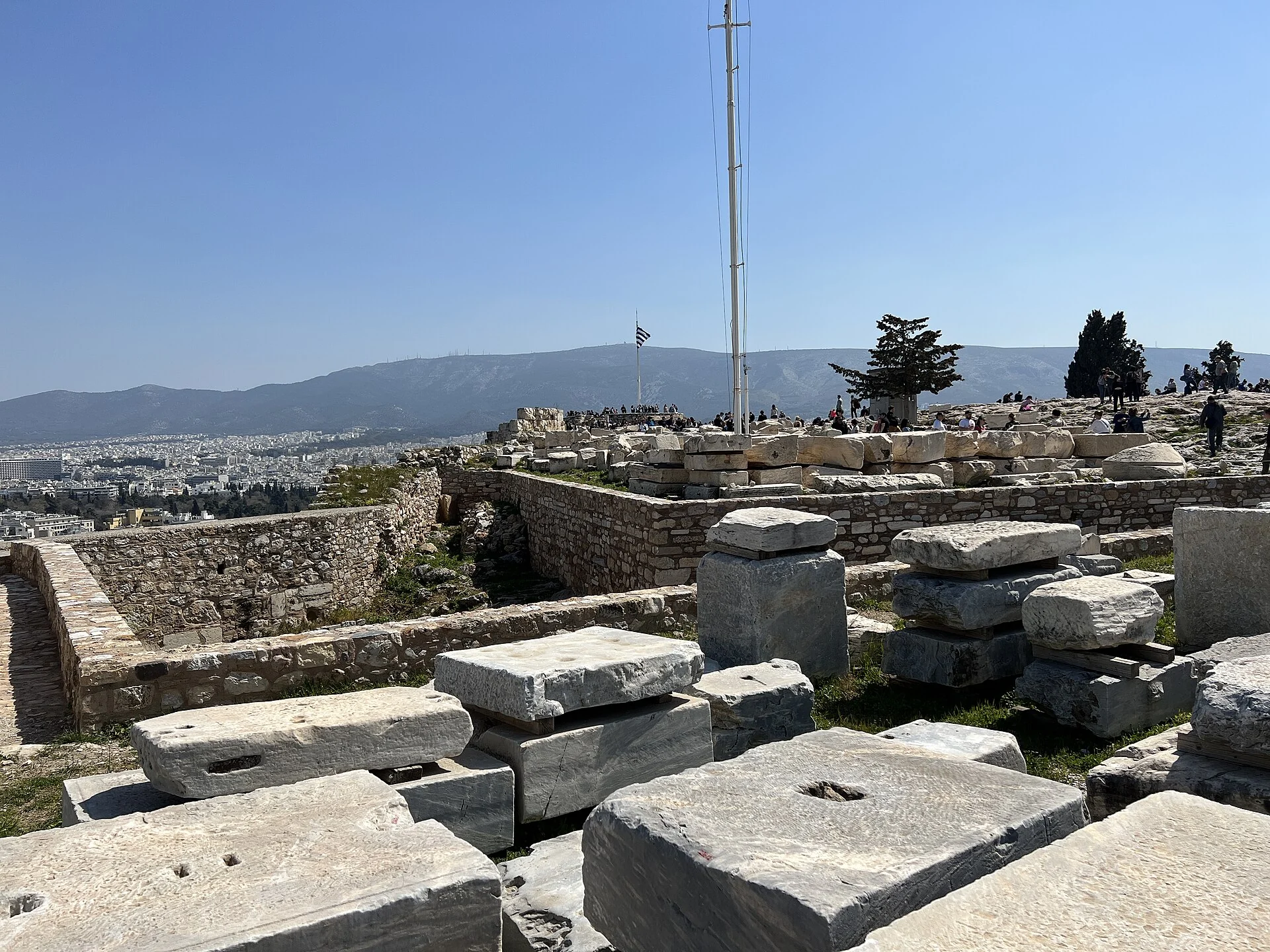
In 1687, during the Venetian siege, a shell struck gunpowder stored in the Parthenon and blew the roof open. For over two centuries the temple served other uses and its blocks were scattered. The gaps and the row of column bases on the ground today mostly date from after that blow.